MSI Gaming GE66 Dragonshield 11UE-441 RAM upgrade specifications

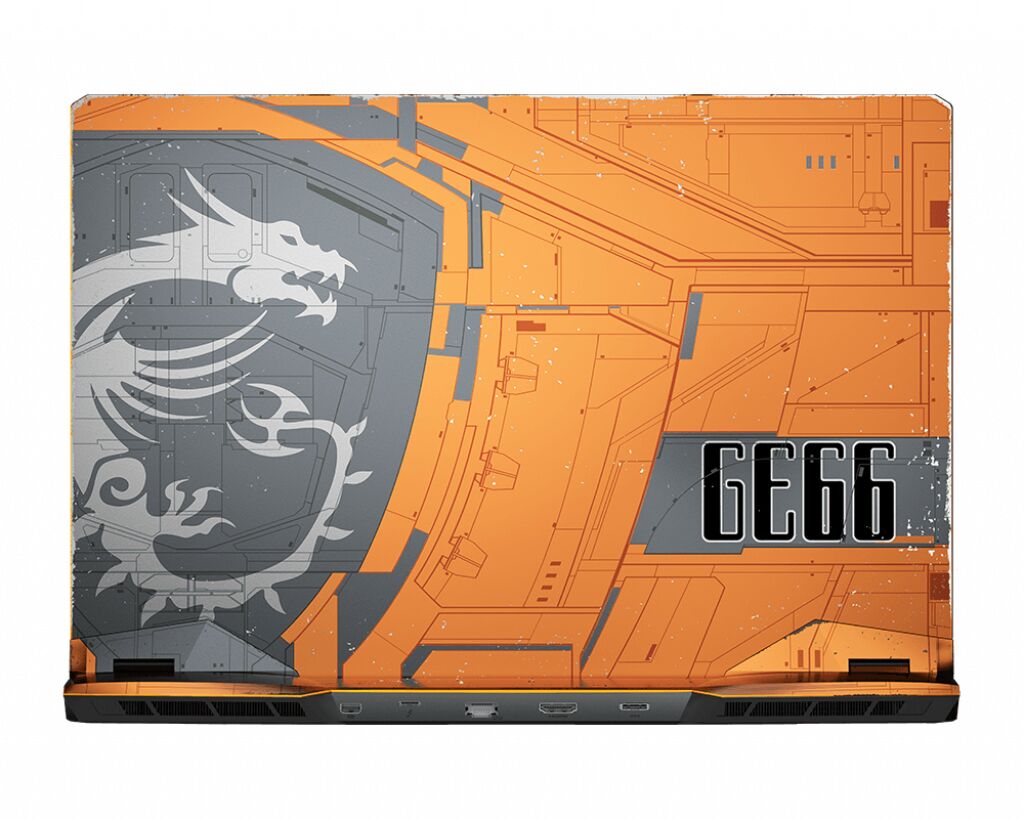
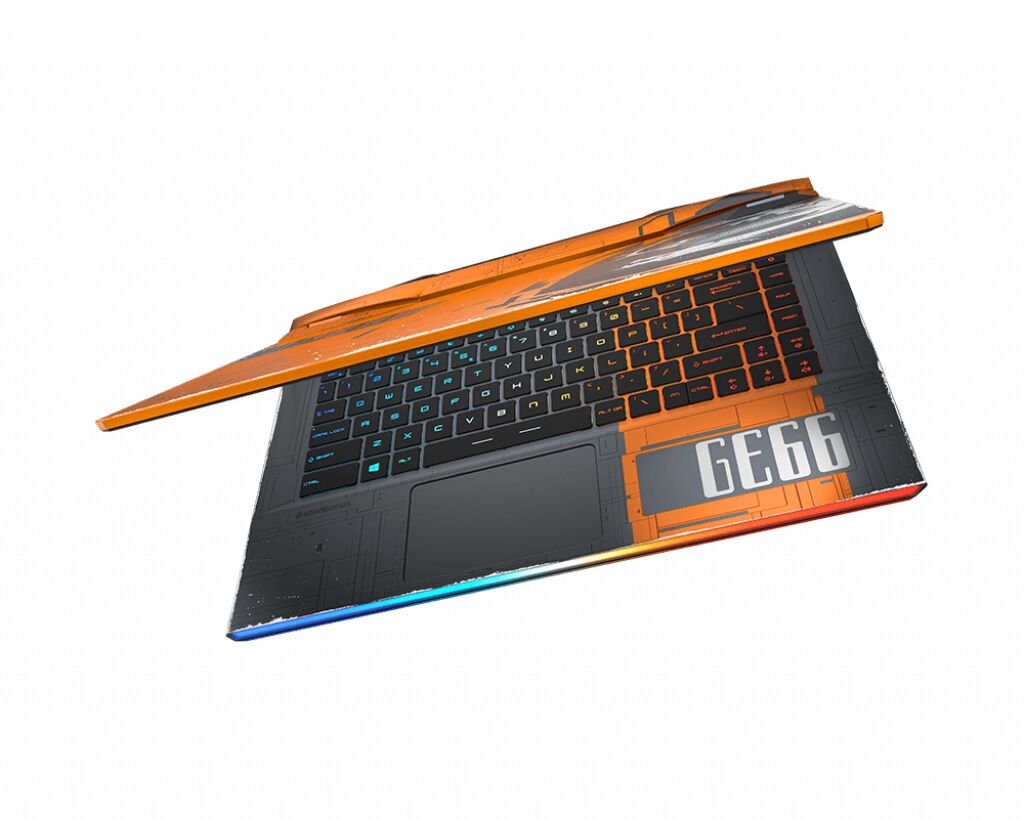
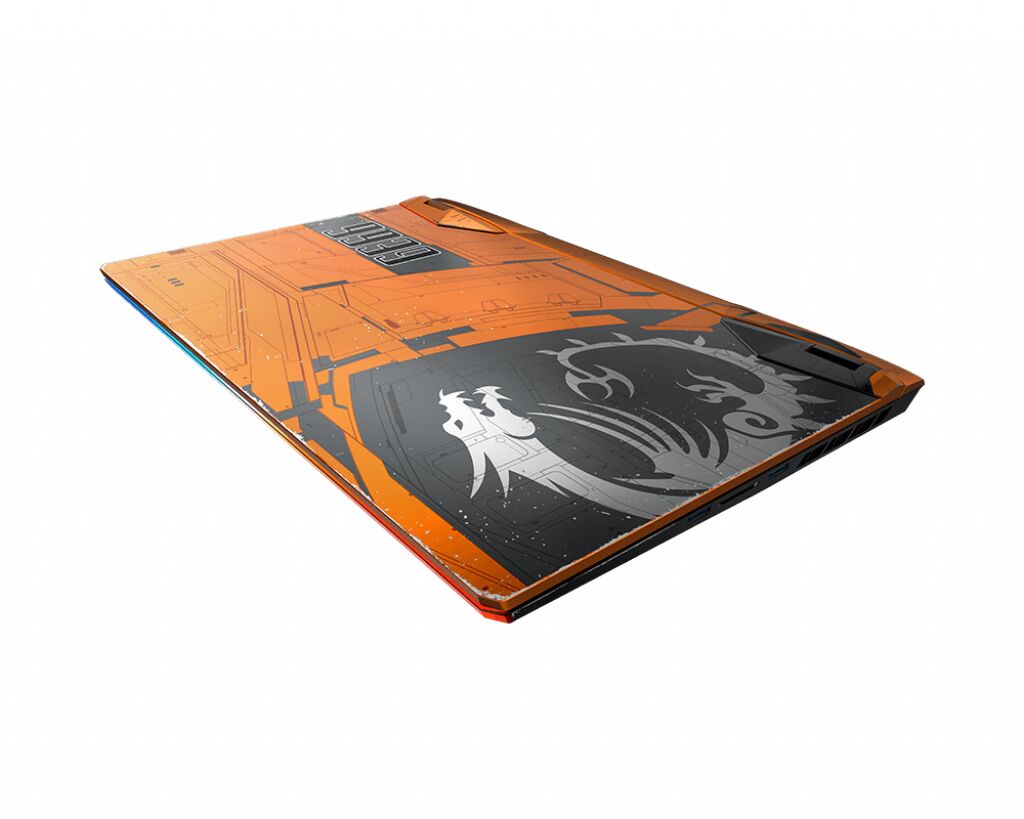
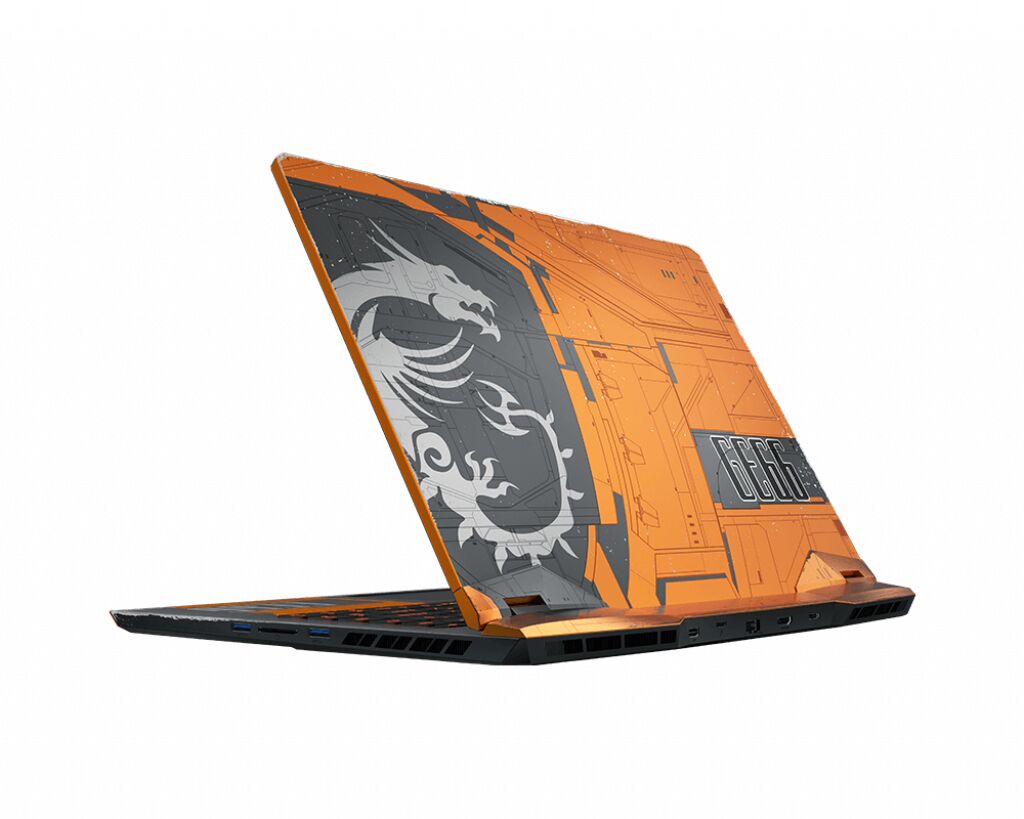
The MSI GE66 Dragonshield 11UE-441 Gaming series laptop supports DDR4-SDRAM memory upgrades through 2x SO-DIMM slots. Maximum RAM capacity reaches 64 GB with compatible modules operating at 3200 MHz frequency. Memory specifications enable standard upgrade configurations for enhanced system performance. SO-DIMM form factor modules are required for compatibility with this particular model's memory architecture and slot configuration.
Memory Upgrade Specifications
| Specification | Value |
|---|---|
| Memory slots | 2x SO-DIMM |
| Form factor | SO-DIMM |
| Memory type | DDR4-SDRAM |
| Frequency | 3200 MHz |
| Maximum RAM | 64 GB |
| Voltage | 1.2V |
| Number of pins | 260-pin |
| Interface | PC4 |
| PC Speed Rating | PC4-3200 (PC4-25600) |
| Bandwidth | 25.6 GB/s |
| Laptop Release date | 28 June 2021 |
Additional Notes
- Dual channel architectural symmetry requires matching module densities in both slots to ensure peak memory controller bandwidth during high load gaming scenarios.
- The MSI GE66 Dragonshield 11UE-441 utilizes a standard SODIMM interface which allows for aftermarket component swaps without proprietary manufacturer locks or soldered limitations.
- Upgrading to the maximum capacity necessitates the removal of the factory installed modules because the physical layout lacks additional expansion headers beyond the primary 2 slots.
- System stability at the 3200 MHz frequency depends on modules featuring JEDEC standard profiles to avoid potential BIOS timing conflicts or manual voltage adjustments.
- Installation of 64 GB of memory significantly reduces storage paging on the drive which extends the operational lifespan of the internal solid state media by minimizing write cycles.
- Accessing the memory hardware requires the removal of the bottom chassis panel which may involve piercing factory seals depending on regional consumer protection laws and service policies.
- Thermal dissipation for high density memory modules relies on the internal airflow design as these slots do not utilize dedicated heat spreaders or active cooling fins.