MSI Gaming GE66 Raider 10SF-205FR RAM upgrade specifications

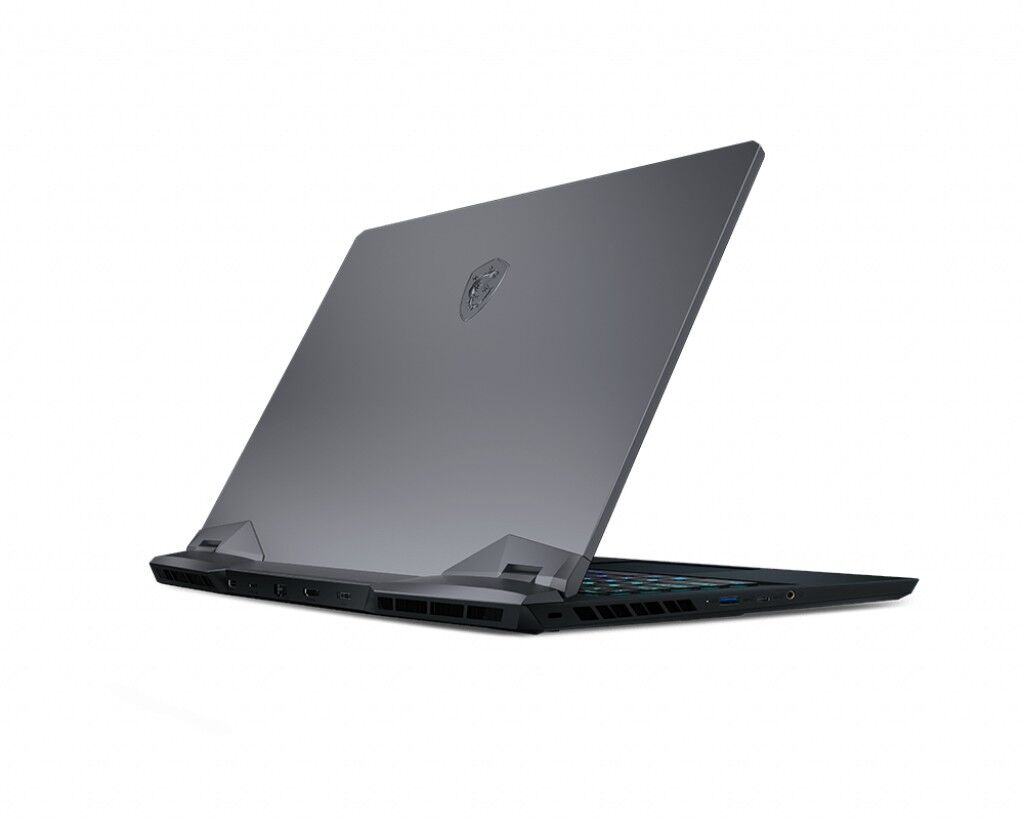
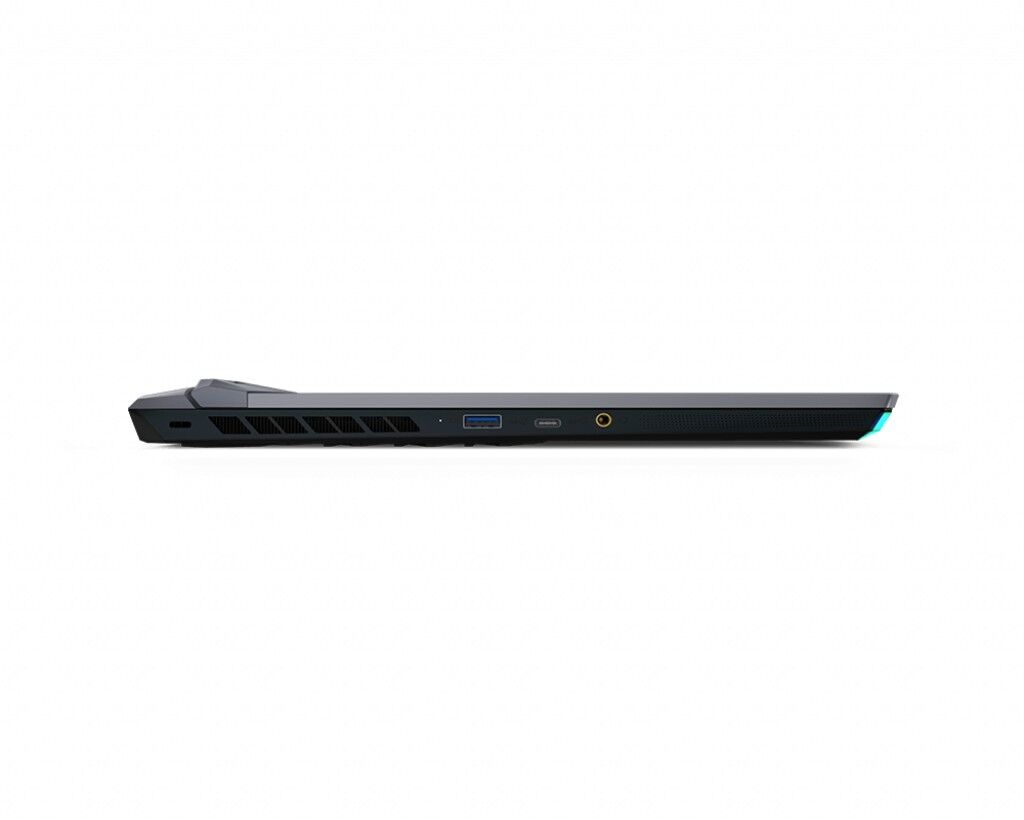
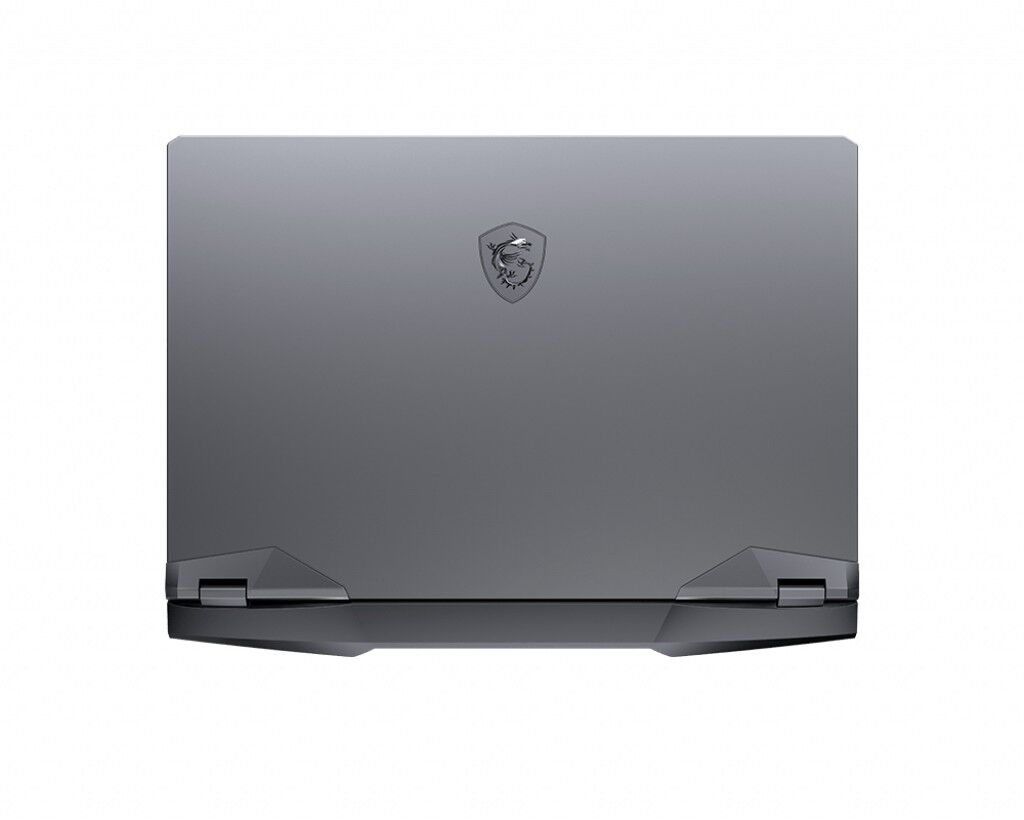
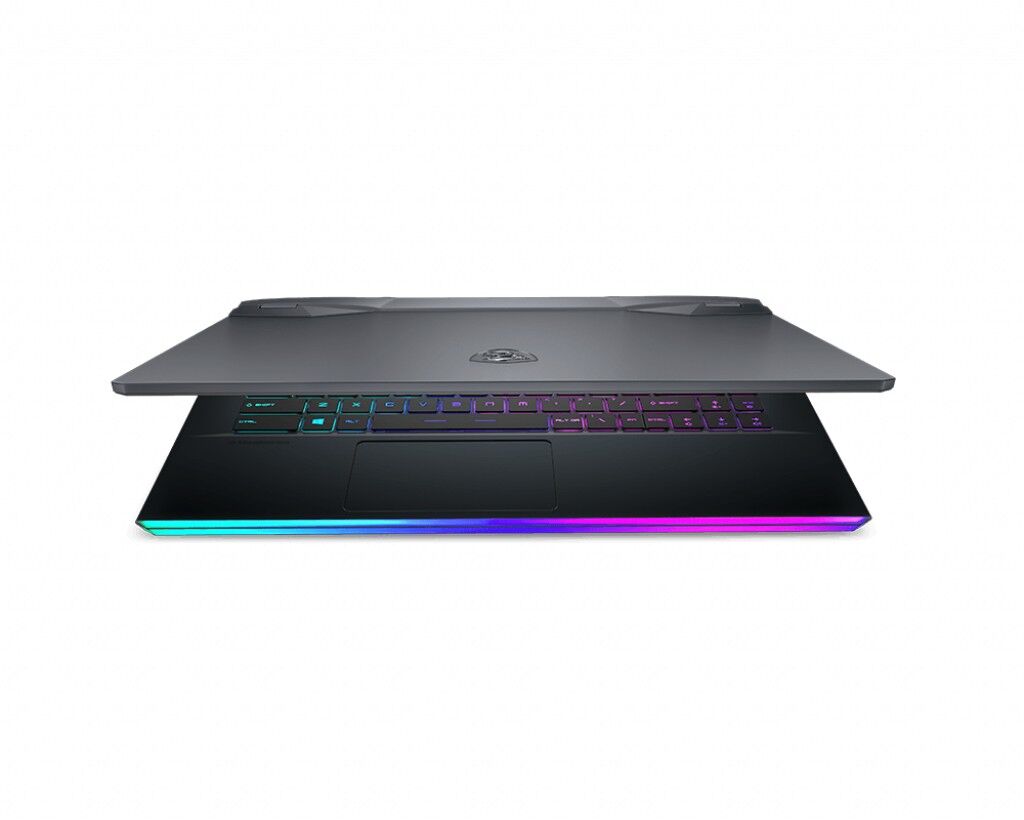
MSI GE66 Raider 10SF-205FR gaming laptop features DDR4-SDRAM memory upgrade capabilities. The device contains two SO-DIMM slots supporting maximum RAM capacity of 64 GB. Memory specifications indicate DDR4-SDRAM compatible with 3200 MHz frequency. Upgrade slots accommodate SO-DIMM form factor modules. Maximum memory configuration reaches 64 GB total capacity through compatible DDR4 upgrades installed in available SO-DIMM slots.
Memory Upgrade Specifications
| Specification | Value |
|---|---|
| Memory slots | 2x SO-DIMM |
| Form factor | SO-DIMM |
| Memory type | DDR4-SDRAM |
| Frequency | 3200 MHz |
| Maximum RAM | 64 GB |
| Voltage | 1.2V |
| Number of pins | 260-pin |
| Interface | PC4 |
| PC Speed Rating | PC4-3200 (PC4-25600) |
| Bandwidth | 25.6 GB/s |
| Laptop Release date | 07 April 2020 |
Additional Notes
- The 64 GB ceiling stems from Intel's 10th generation mobile platform architecture, which limits addressable memory regardless of physical slot capacity.
- Dual-channel operation requires matched module capacities in both SO-DIMM slots to maintain symmetric bandwidth distribution across memory controllers.
- Single-rank versus dual-rank module topology affects effective bandwidth under memory-intensive workloads, particularly in gaming scenarios where the MSI GE66 Raider 10SF-205FR operates.
- 3200 MHz represents the JEDEC standard ceiling for DDR4 SO-DIMM without XMP profile support, eliminating overclocking headroom in mobile implementations.
- CAS latency variations between replacement modules directly impact frame pacing consistency in GPU-bound rendering tasks.
- Mixing modules with different voltage specifications (1.2V standard versus 1.35V XMP) creates stability risks as mobile BIOSes lack granular voltage controls.
- The SO-DIMM 260-pin standard precludes use of desktop UDIMM modules despite identical DDR4 protocol, as physical keying differs between form factors.
- Warranty preservation requires non-destructive access to memory compartments, typically isolated from sealed sections containing soldered components.
- Thermal headroom within gaming chassis design influences sustained memory clock stability under extended load compared to conventional laptop thermals.
- ECC (error-correcting code) memory compatibility remains absent in consumer mobile chipsets, restricting module selection to non-ECC variants only.
- Asymmetric configurations pairing different capacity modules forces single-channel operation for the excess capacity beyond the smaller module's size.
- Manufacturing date codes on replacement modules should align within 6-month windows to minimize die revision discrepancies affecting timing compatibility.