MSI Gaming GE73VR 7RF-407 Raider RAM upgrade specifications
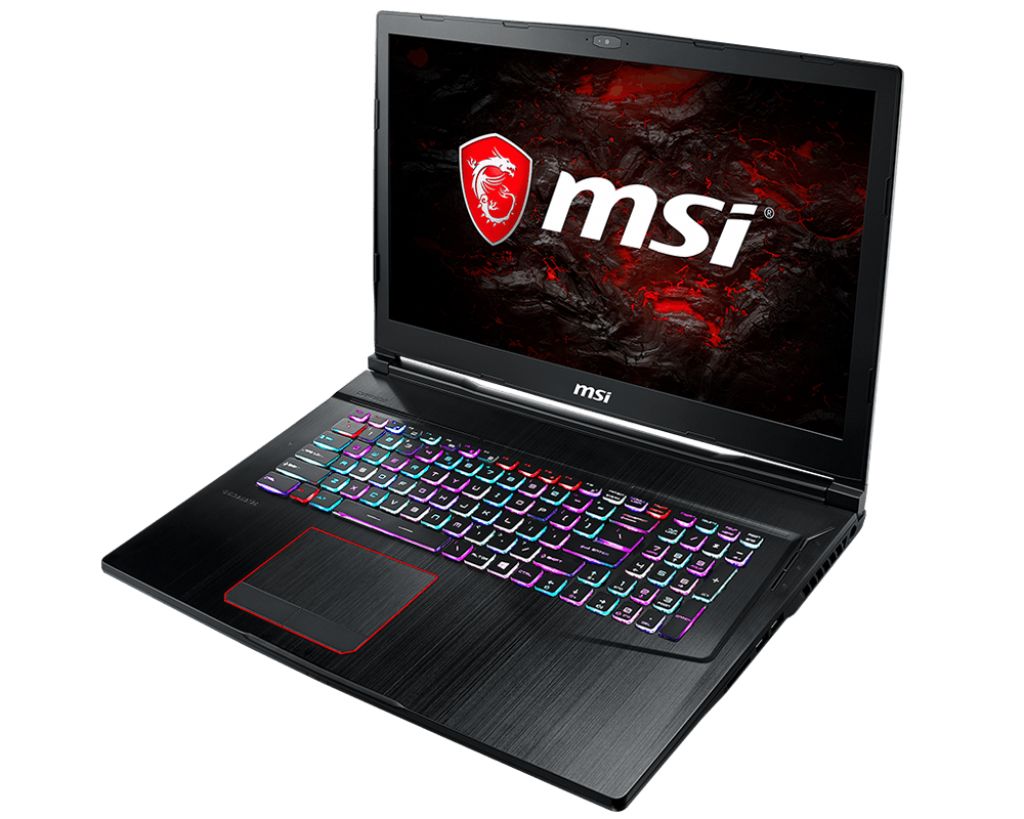
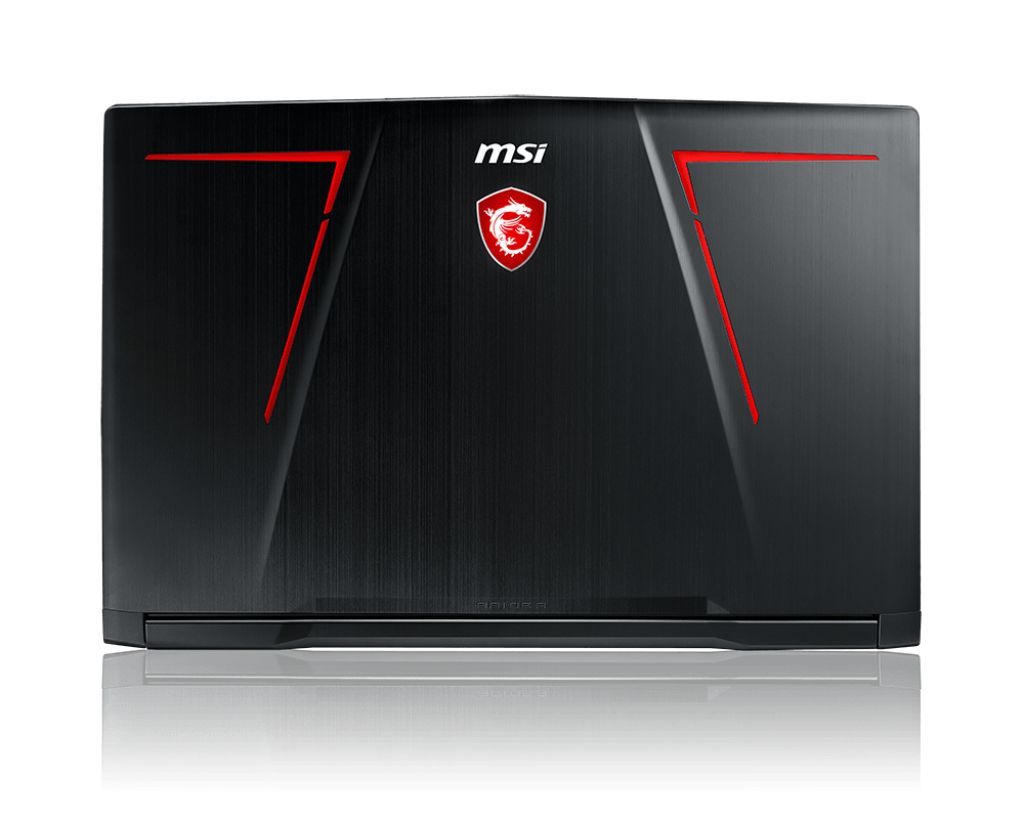

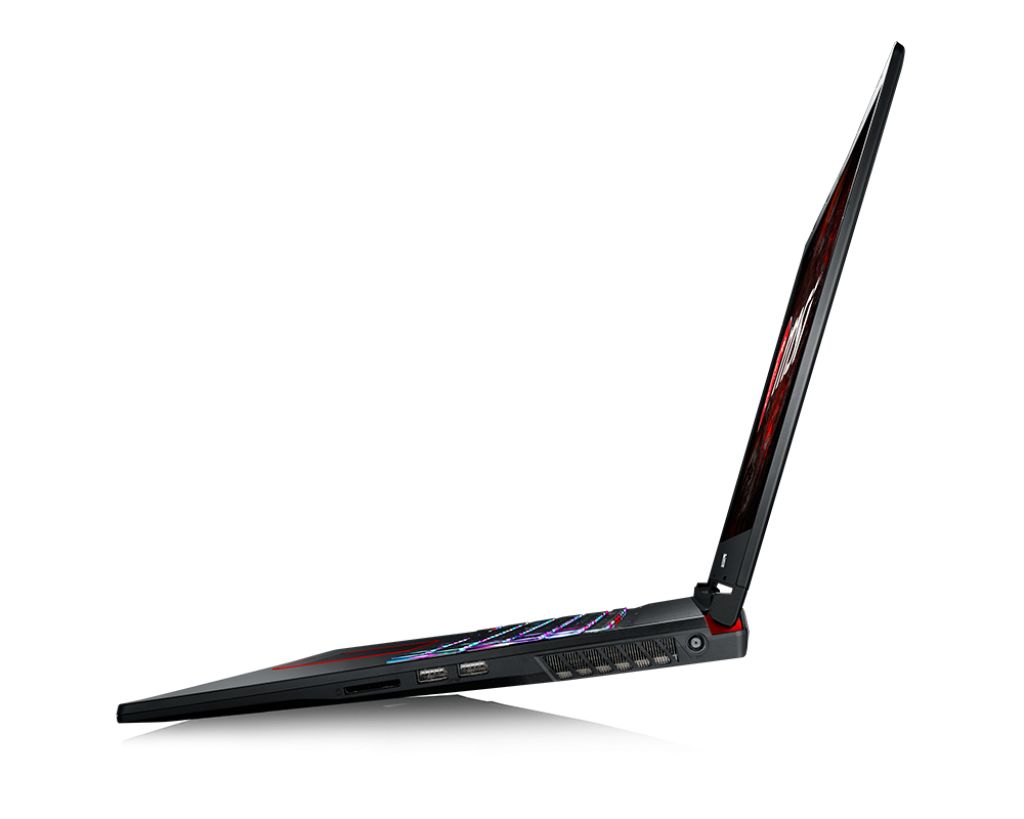
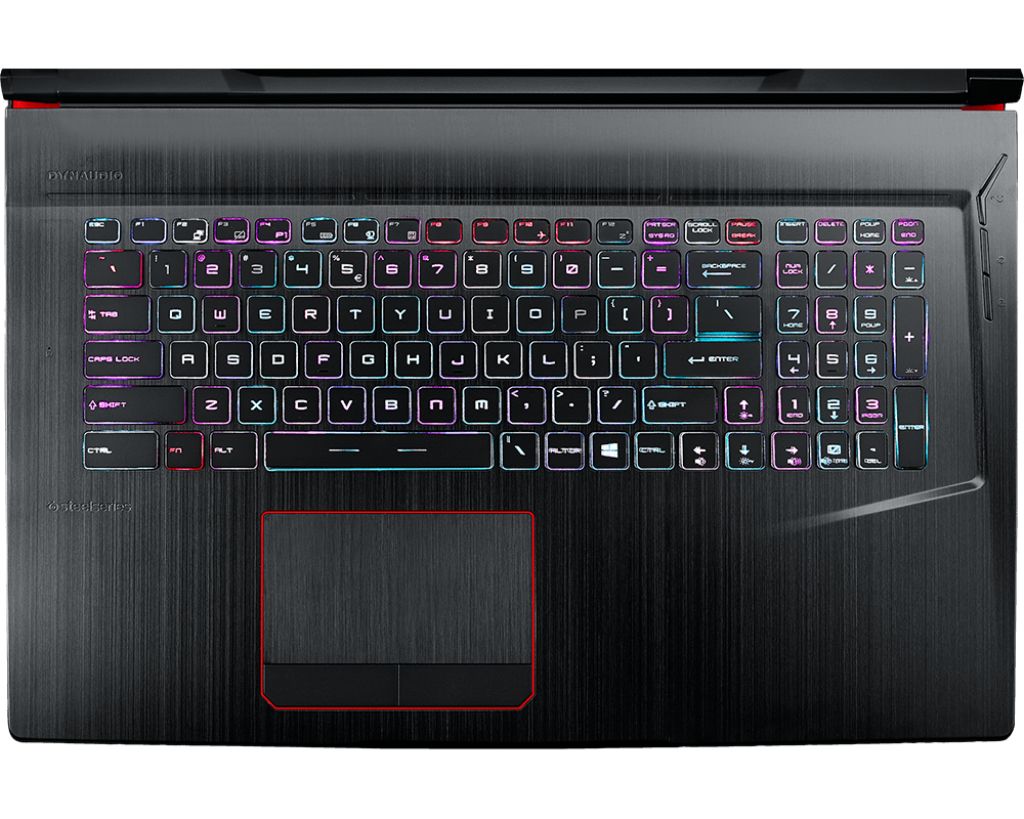
The MSI GE73VR 7RF-407 Raider gaming laptop supports DDR4-SDRAM memory upgrades with two SO-DIMM slots. Maximum RAM capacity reaches 32 GB total. Compatible memory operates at 2400 MHz frequency. Specifications indicate SO-DIMM form factor modules are required for RAM upgrades on the GE series model. The gaming family laptop accommodates memory expansion through available slots for enhanced multitasking performance.
Memory Upgrade Specifications
| Specification | Value |
|---|---|
| Memory slots | 2x SO-DIMM |
| Form factor | SO-DIMM |
| Memory type | DDR4-SDRAM |
| Frequency | 2400 MHz |
| Maximum RAM | 32 GB |
| Voltage | 1.2V |
| Number of pins | 260-pin |
| Interface | PC4 |
| PC Speed Rating | PC4-2400 (PC4-19200) |
| Bandwidth | 19.2 GB/s |
| Laptop Release date | 27 April 2018 |
Additional Notes
- The MSI GE73VR 7RF-407 Raider dual-slot configuration limits expansion flexibility since both slots must be occupied to reach the 32 GB ceiling, preventing single-module upgrades from the factory baseline without replacing existing memory.
- SO-DIMM installation in this chassis requires accessing the bottom panel maintenance hatch, which typically involves removing 8 to 12 screws and potentially breaking manufacturer warranty seals depending on regional coverage terms.
- The 2400 MHz frequency specification indicates a maximum theoretical bandwidth of 19.2 GB/s per channel, which may bottleneck GPU-intensive tasks when VRAM exceeds available system memory during texture streaming operations.
- DDR4-2400 modules with higher XMP profiles will automatically downclock to the supported 2400 MHz ceiling due to Intel 7th generation chipset memory controller limitations, making premium-speed modules functionally identical to standard-speed variants in this platform.
- Mixing memory modules with different densities across the 2 slots will force single-channel operation on the higher-capacity module, effectively halving memory bandwidth for applications accessing beyond the lower module's capacity threshold.
- The 32 GB maximum constraint originates from the HM175 chipset's addressable memory ceiling rather than physical slot limitations, meaning 32 GB modules will not function even if mechanically compatible.
- Non-ECC unbuffered modules are mandatory for SO-DIMM slots in mobile gaming platforms, as the chipset lacks error-correction circuitry found in workstation-class systems.
- Voltage specifications must remain at the JEDEC-standard 1.2V for DDR4-2400, as the mobile power delivery subsystem lacks support for enthusiast-grade 1.35V or 1.4V overvolting common in desktop configurations.
- Thermal headroom in the memory compartment limits sustained memory-intensive workloads to approximately 70-75°C junction temperatures before throttling mechanisms activate, particularly when both slots operate at maximum capacity.
- Dual-channel population requires matched memory timings across both modules to prevent the memory controller from defaulting to the slowest common denominator CAS latency, potentially increasing effective latency by 2 to 4 nanoseconds.