MSI Gaming GE75 10SE-482 Raider RAM upgrade specifications



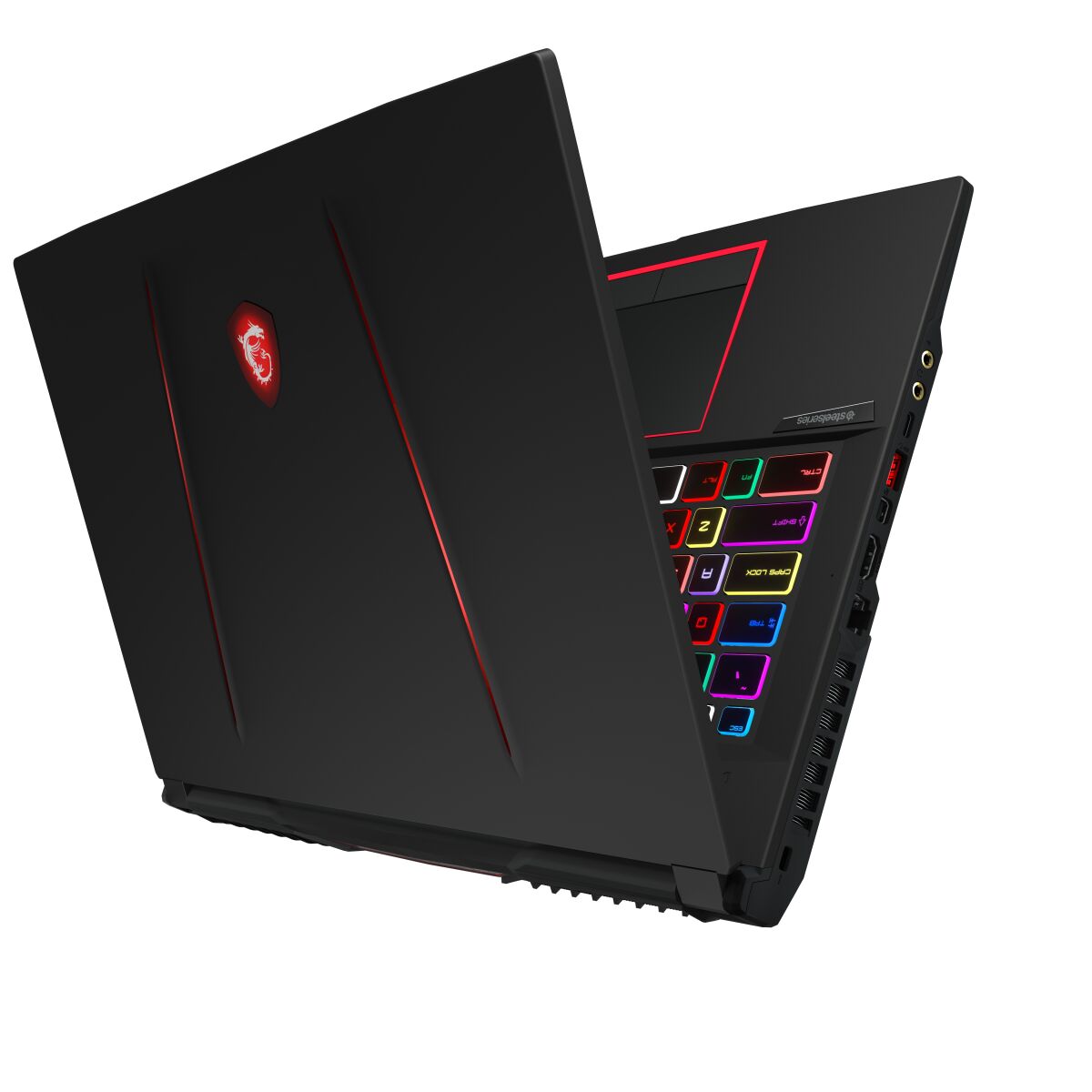

MSI GE75 10SE-482 Raider Gaming series laptop supports DDR4-SDRAM memory upgrades through dual SO-DIMM slots. Maximum RAM capacity reaches 64 GB with memory operating at 2666 MHz frequency. Compatible SO-DIMM modules enable users to expand system memory from factory specifications. Specifications indicate two upgrade slots available for memory expansion, accommodating standard DDR4 modules in SO-DIMM form factor. Total maximum memory upgrade potential for GE75 10SE-482 Raider series reaches 64 GB across all available slots.
Memory Upgrade Specifications
| Specification | Value |
|---|---|
| Memory slots | 2x SO-DIMM |
| Form factor | SO-DIMM |
| Memory type | DDR4-SDRAM |
| Frequency | 2666 MHz |
| Maximum RAM | 64 GB |
| Voltage | 1.2V |
| Number of pins | 260-pin |
| Interface | PC4 |
| PC Speed Rating | PC4-2666 (PC4-21328) |
| Bandwidth | 21.3 GB/s |
| Laptop Release date | 16 April 2021 |
Additional Notes
- The 2666 MHz frequency operates below DDR4's theoretical maximum, ensuring broad compatibility with aftermarket modules while limiting peak bandwidth to 21.3 GB/s per channel in dual-channel configuration.
- SO-DIMM format restricts module height to 30mm, preventing installation of standard desktop DIMM components despite identical electrical specifications.
- The 64 GB ceiling requires two 32 GB modules, which may limit availability compared to more common 16 GB densities and typically command premium pricing.
- Dual-slot architecture enables channel interleaving when populated symmetrically, doubling theoretical bandwidth from 21.3 GB/s to 42.6 GB/s compared to single-module configurations.
- The MSI GE75 10SE-482 Raider supports JEDEC standard DDR4 voltage of 1.2V, preventing compatibility with older DDR3L modules despite physical slot similarity.
- Memory controller specifications tied to the 10th generation Intel mobile platform determine actual operating frequency, potentially downclocking modules rated above 2666 MHz.
- Accessing both SO-DIMM slots requires bottom panel removal, which may void warranty seals depending on regional service policies and warranty terms.
- Mixing modules with different timings forces the memory controller to adopt the slowest common latency values, potentially degrading performance below the faster module's rated specifications.
- Non-ECC unbuffered module requirement excludes server-grade memory despite matching form factor, as error correction circuitry introduces incompatible signaling protocols.
- Thermal constraints within the chassis limit sustained memory performance under extended workloads, as SO-DIMM modules lack dedicated heatspreaders found on enthusiast desktop counterparts.