MSI Gaming GE75 10SF-035 Raider RAM upgrade specifications

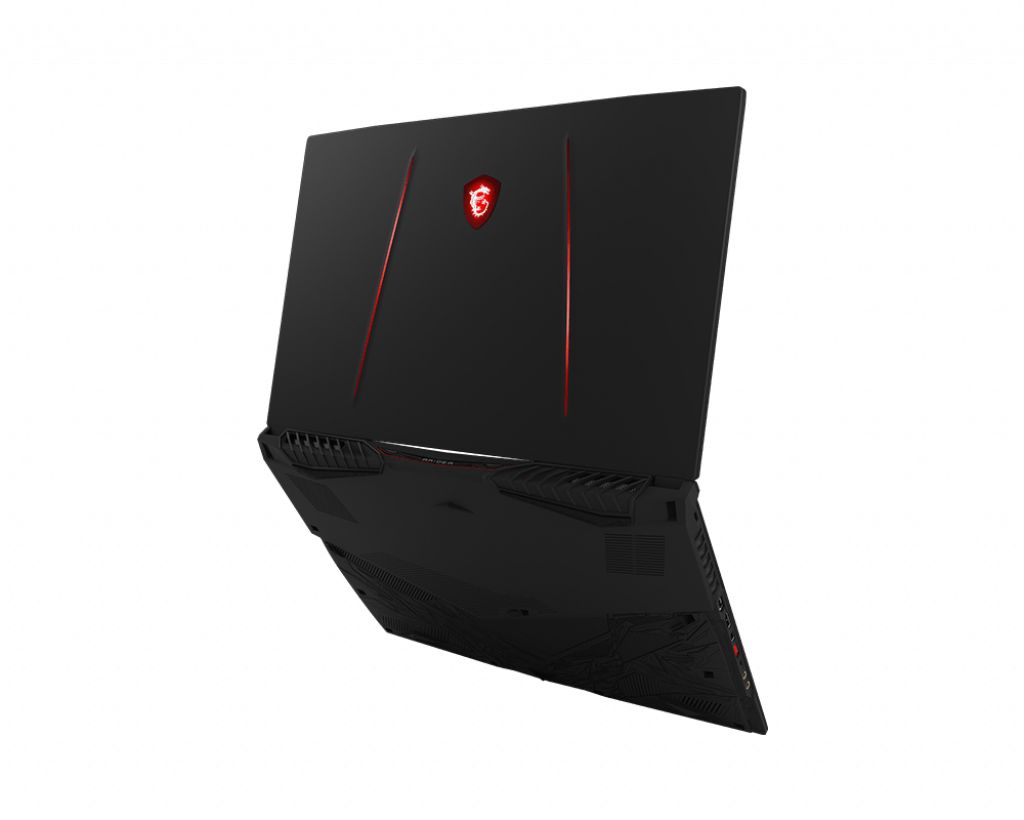



The MSI GE75 10SF-035 Raider gaming laptop supports DDR4-SDRAM memory upgrades through two SO-DIMM slots. The system accommodates a maximum RAM capacity of 64 GB, with compatible memory operating at 2666 MHz frequency. Users can upgrade the memory configuration by replacing or adding SO-DIMM modules to enhance multitasking performance and system responsiveness. The specifications define the upgrade parameters and memory compatibility for the GE75 Raider series.
Memory Upgrade Specifications
| Specification | Value |
|---|---|
| Memory slots | 2x SO-DIMM |
| Form factor | SO-DIMM |
| Memory type | DDR4-SDRAM |
| Frequency | 2666 MHz |
| Maximum RAM | 64 GB |
| Voltage | 1.2V |
| Number of pins | 260-pin |
| Interface | PC4 |
| PC Speed Rating | PC4-2666 (PC4-21328) |
| Bandwidth | 21.3 GB/s |
| Laptop Release date | 01 April 2020 |
Additional Notes
- The MSI GE75 10SF-035 Raider supports dual-channel memory architecture through its 2 SO-DIMM slots, enabling theoretical memory bandwidth of up to 42.6 GB/s when both slots operate in tandem at 2666 MHz.
- The 64 GB maximum capacity requires 32 GB modules in both slots, which may limit availability compared to more common 8 GB or 16 GB configurations.
- The 2666 MHz frequency represents DDR4-2666 specification, corresponding to PC4-21300 rating and a base transfer rate of 21.3 GB/s per channel.
- Higher-speed modules rated at 3200 MHz or beyond will typically downclock to 2666 MHz due to chipset frequency limitations imposed by the 10th generation Intel platform.
- SO-DIMM form factor compliance is mandatory, as standard desktop DIMM modules are physically incompatible with the laptop's memory interface despite sharing electrical DDR4 specifications.
- Single-channel operation occurs when only one slot is populated, reducing memory bandwidth by approximately 50 percent and potentially impacting GPU performance in integrated graphics scenarios.
- Mixing modules with different densities or speeds across the 2 slots may force the system to operate at the lowest common frequency and timing parameters.
- Memory voltage specification remains within JEDEC-standard 1.2V for DDR4, preventing compatibility issues with low-voltage or XMP-profiled modules that may require manual BIOS configuration.
- CAS latency typically ranges from CL19 to CL22 at 2666 MHz, with tighter timings offering marginal real-world performance gains in gaming workloads.
- Installation requires bottom panel removal to access the memory compartment, though this user-serviceable upgrade path generally preserves manufacturer warranty coverage.