MSI Gaming GE75 10SF-055IT RAM upgrade specifications



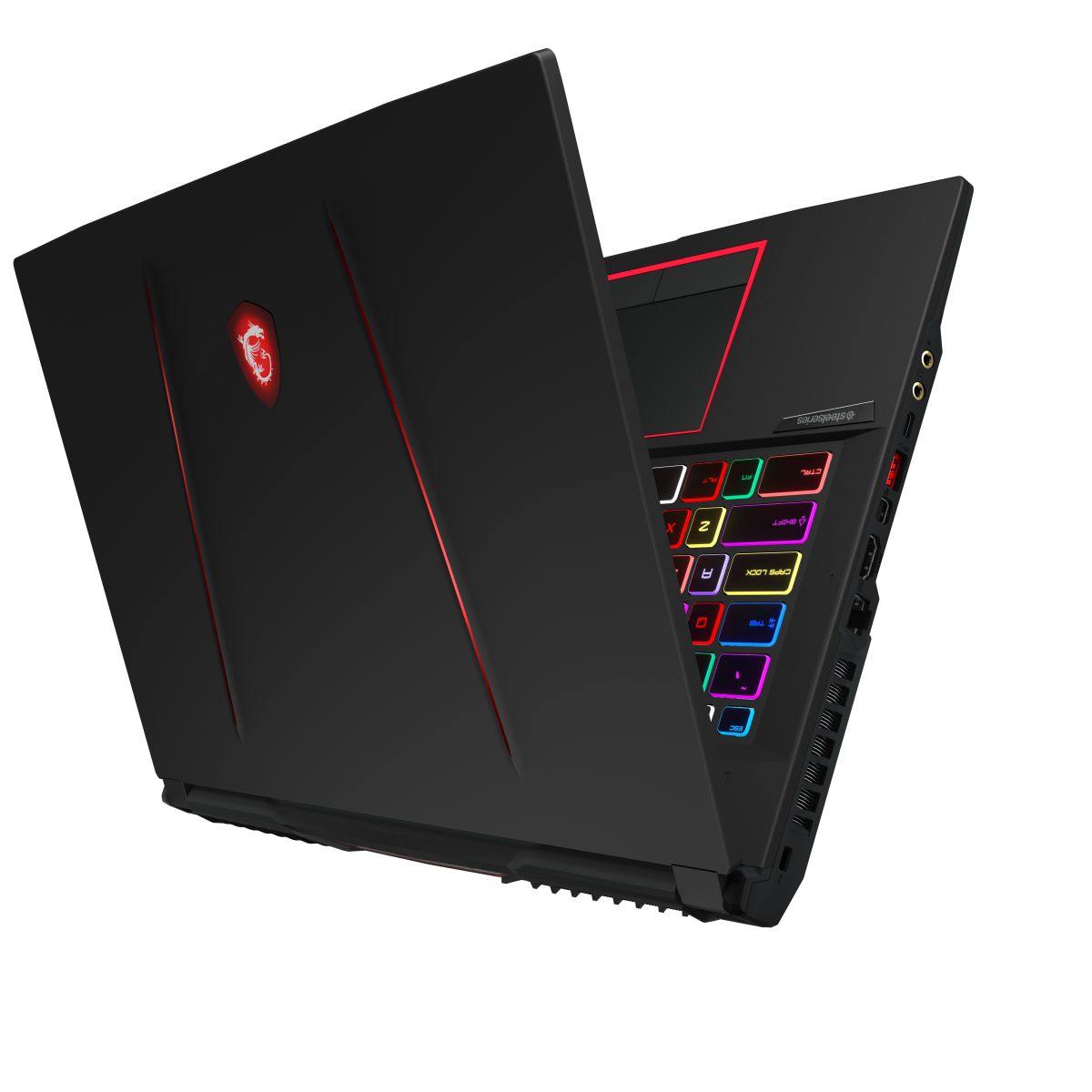

The MSI GE75 10SF-055IT Gaming series laptop features DDR4-SDRAM memory configuration with two SO-DIMM slots supporting maximum capacity of 64 GB RAM. Upgrade specifications indicate compatible memory operates at 2666 MHz frequency. The GE75 10SF-055IT model supports SO-DIMM form factor modules, enabling memory expansion from factory configuration. Maximum RAM capacity specifications establish 64 GB as the upgrade ceiling for this MSI Gaming GE series laptop model.
Memory Upgrade Specifications
| Specification | Value |
|---|---|
| Memory slots | 2x SO-DIMM |
| Form factor | SO-DIMM |
| Memory type | DDR4-SDRAM |
| Frequency | 2666 MHz |
| Maximum RAM | 64 GB |
| Voltage | 1.2V |
| Number of pins | 260-pin |
| Interface | PC4 |
| PC Speed Rating | PC4-2666 (PC4-21328) |
| Bandwidth | 21.3 GB/s |
| Laptop Release date | 16 April 2020 |
Additional Notes
- The MSI GE75 10SF-055IT accepts only notebook-sized SO-DIMM modules, which eliminates compatibility with standard desktop DIMM memory despite sharing DDR4 technology.
- The 2666 MHz frequency specification represents a maximum supported speed, meaning faster modules rated at 2933 MHz or 3200 MHz will automatically downclock to 2666 MHz when installed.
- Achieving the full 64 GB capacity requires installing two 32 GB modules, as the dual-slot configuration does not support single-module maximum configurations.
- The SO-DIMM form factor measures 67.6 mm in length compared to 133.35 mm for desktop modules, making standard RAM physically incompatible with the notebook's memory compartment.
- DDR4-2666 operates at a lower bandwidth of 21.3 GB/s per channel compared to DDR4-3200's 25.6 GB/s, which may create bottlenecks in memory-intensive applications or high-refresh-rate gaming scenarios.
- Installing a single module forces the memory controller into single-channel mode, effectively halving available bandwidth from 42.6 GB/s to 21.3 GB/s regardless of module capacity.
- The dual-slot limitation means capacity upgrades must replace existing modules rather than supplement them once both slots are populated.
- Non-standard voltages above 1.2V, common in some enthusiast DDR4 modules, may cause stability issues or prevent the system from posting as notebook memory controllers typically lack voltage adjustment options.
- The 64 GB maximum suggests chipset-level addressing constraints that prevent recognition of higher-capacity modules even if 64 GB SO-DIMMs become available in the future.
- Memory upgrades performed through the bottom panel access typically preserve manufacturer warranties, while disassembling the keyboard or top chassis assembly often voids coverage.
- Mixing modules with different CAS latencies forces the memory controller to use the slowest timing across all installed modules, potentially degrading performance below the rated specifications of faster modules.
- ECC SO-DIMM modules remain incompatible despite matching the DDR4-2666 SO-DIMM form factor, as consumer gaming notebooks lack the chipset support required for error-correcting memory.