MSI Gaming GE75 10SF-072CN Raider RAM upgrade specifications



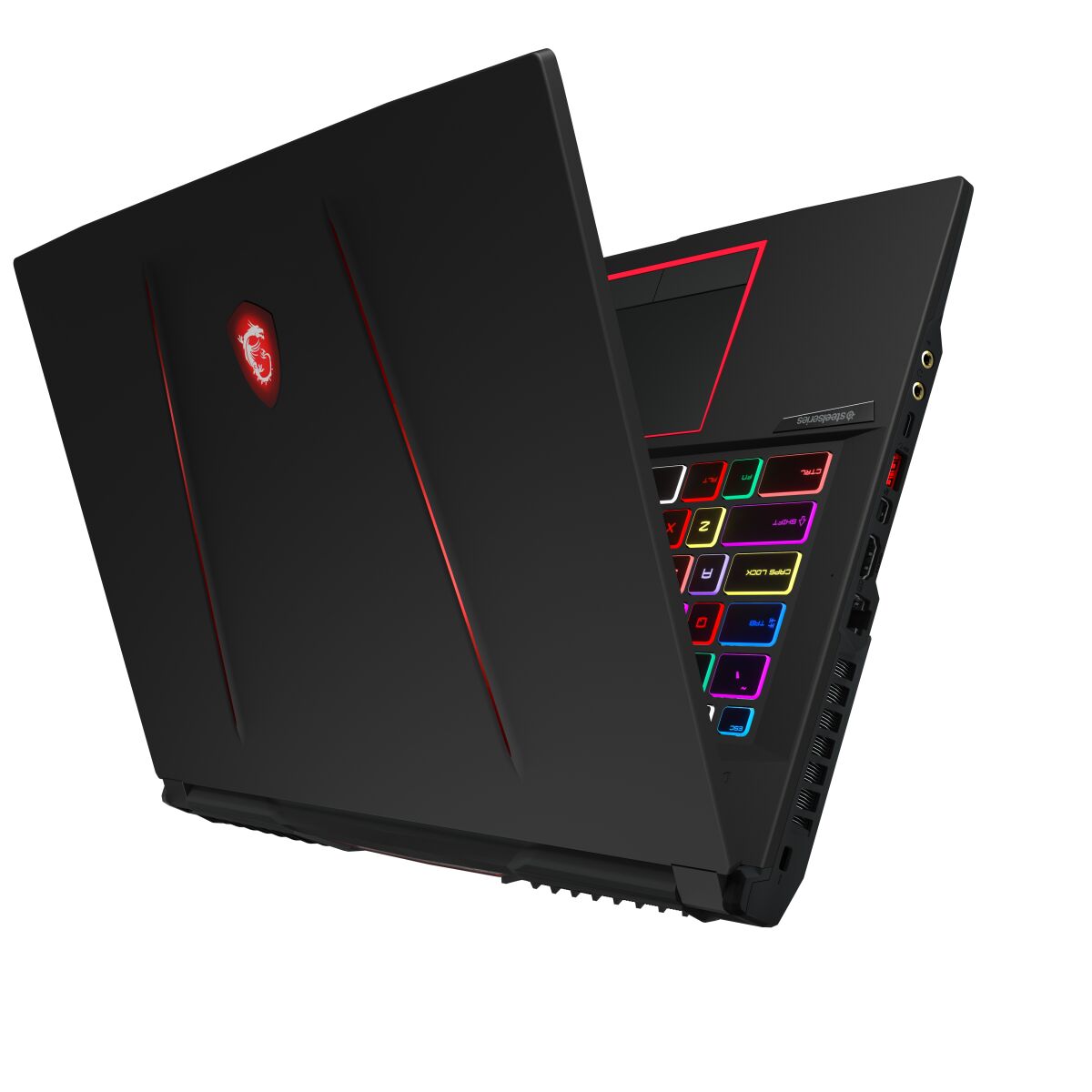
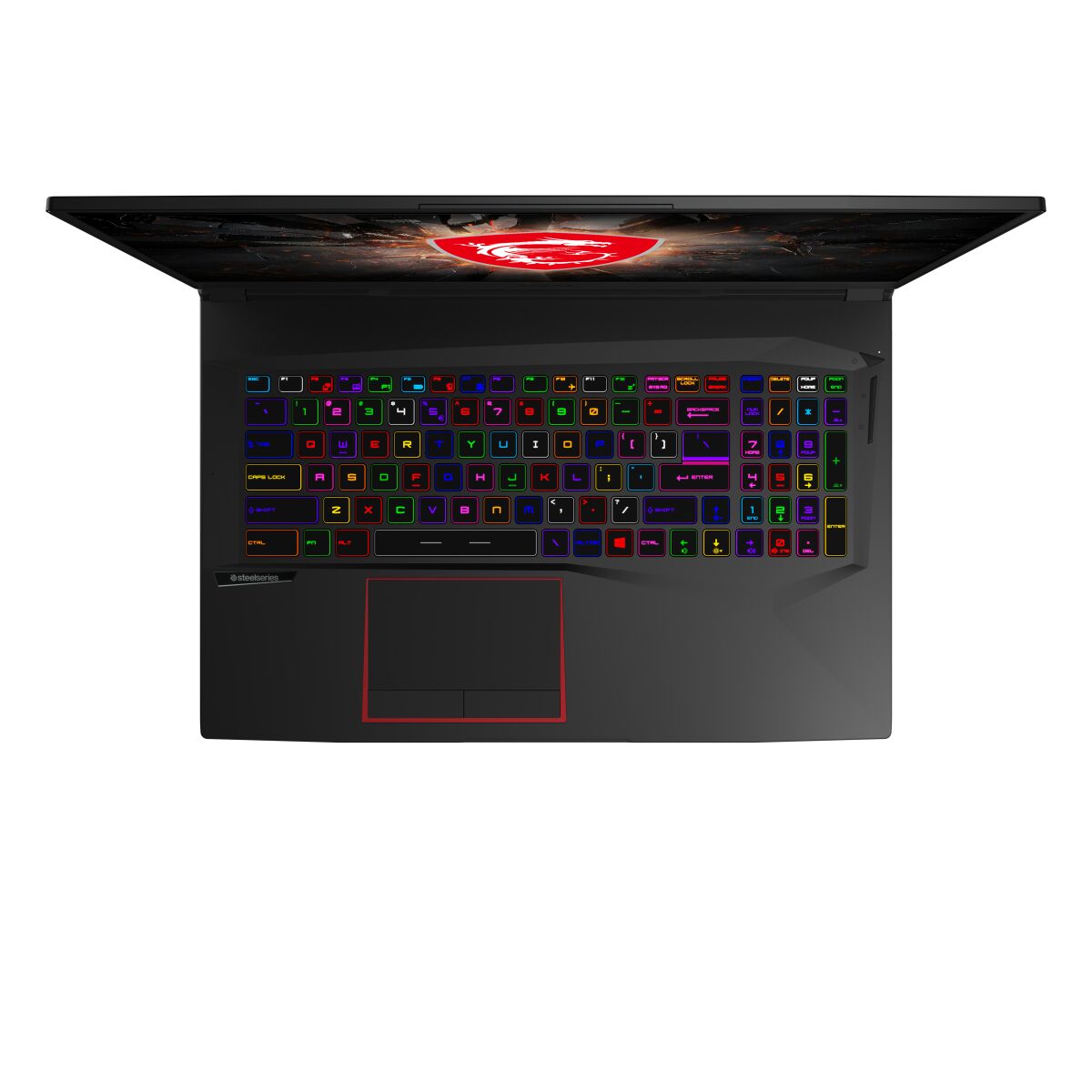
The MSI GE75 10SF-072CN Raider Gaming series laptop features DDR4-SDRAM memory upgrade specifications. The system contains 2x SO-DIMM slots compatible with DDR4 memory modules operating at 2666 MHz frequency. Maximum RAM capacity reaches 64 GB total when both slots are fully populated. Memory upgrade compatibility requires SO-DIMM form factor modules. Specifications indicate the MSI GE75 10SF-072CN Raider supports DDR4-SDRAM architecture with standard SO-DIMM slot configuration for RAM expansion.
Memory Upgrade Specifications
| Specification | Value |
|---|---|
| Memory slots | 2x SO-DIMM |
| Form factor | SO-DIMM |
| Memory type | DDR4-SDRAM |
| Frequency | 2666 MHz |
| Maximum RAM | 64 GB |
| Voltage | 1.2V |
| Number of pins | 260-pin |
| Interface | PC4 |
| PC Speed Rating | PC4-2666 (PC4-21328) |
| Bandwidth | 21.3 GB/s |
| Laptop Release date | 16 June 2020 |
Additional Notes
- The SO-DIMM form factor restricts compatibility to laptop-specific memory modules, eliminating desktop DIMM options regardless of matching specifications.
- The 2666 MHz frequency represents JEDEC DDR4-2666 standard, requiring modules with supported SPD profiles to avoid POST failures or forced downclocking.
- The 64 GB maximum capacity indicates a 2x32 GB configuration as the only path to full memory utilization on this MSI GE75 10SF-072CN Raider platform.
- Intel 10th generation Comet Lake-H processors enforcing DDR4-2933 native support may downclock installed modules to the validated 2666 MHz platform limit.
- Dual-channel population across both slots enables maximum memory bandwidth at 42.6 GB/s theoretical throughput compared to 21.3 GB/s in single-channel configurations.
- Higher-frequency modules rated at 3200 MHz will operate at 2666 MHz due to chipset validation constraints, negating performance benefits beyond SPD fallback compatibility.
- Non-ECC unbuffered modules remain the only compatible architecture, as mobile platforms lack registered or ECC validation in consumer gaming segments.
- Mixing different capacity modules between slots maintains functionality but forces operation in asymmetric dual-channel mode with reduced interleaving efficiency.
- Thermal constraints in the chassis design favor single-rank modules for sustained performance under prolonged memory-intensive workloads.
- Voltage specifications locked at 1.2V standard prohibit low-voltage 1.35V SO-DIMMs marketed for Haswell-era mobile platforms.
- Warranty preservation requires avoiding bottom-panel removal tools that may strip captive screws securing the memory access door.