MSI Gaming GE75 10SF-286 Raider RAM upgrade specifications



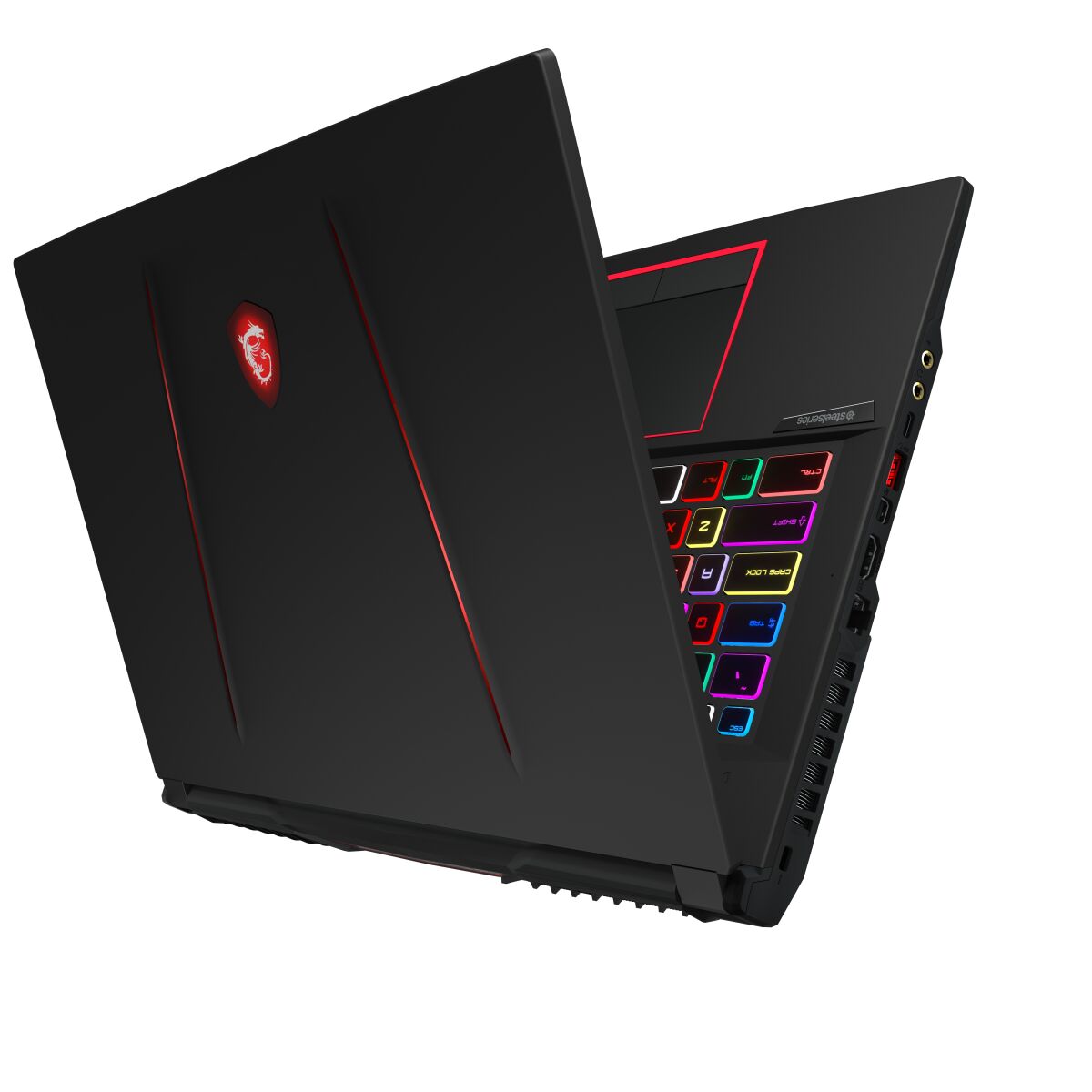

The MSI GE75 10SF-286 Raider Gaming series laptop features DDR4-SDRAM memory with two SO-DIMM slots supporting maximum RAM capacity of 64 GB. Memory upgrade specifications indicate compatibility with DDR4 modules operating at 3200 MHz frequency. The SO-DIMM form factor allows for RAM expansion, enabling users to enhance system performance on the GE75 10SF-286 Raider model through memory slot utilization and capacity configuration.
Memory Upgrade Specifications
| Specification | Value |
|---|---|
| Memory slots | 2x SO-DIMM |
| Form factor | SO-DIMM |
| Memory type | DDR4-SDRAM |
| Frequency | 3200 MHz |
| Maximum RAM | 64 GB |
| Voltage | 1.2V |
| Number of pins | 260-pin |
| Interface | PC4 |
| PC Speed Rating | PC4-3200 (PC4-25600) |
| Bandwidth | 25.6 GB/s |
| Laptop Release date | 16 April 2021 |
Additional Notes
- The MSI GE75 10SF-286 Raider accommodates a maximum of 64 GB through 2 SO-DIMM slots, meaning a single module failure eliminates half the total capacity until replacement occurs.
- DDR4-3200 MHz represents the specified frequency ceiling; modules rated above 3200 MHz will downclock to this specification and cannot deliver higher bandwidth, though they remain compatible.
- SO-DIMM form factor requires laptop-specific memory modules; standard desktop DDR4 DIMMs will not physically insert into the available slots.
- Dual-slot architecture creates a single point of concern: upgrading from 16 GB to 64 GB requires replacing both existing modules simultaneously rather than adding capacity incrementally.
- Latency characteristics of DDR4-3200 memory affect frame timing in graphics-intensive applications; pairing mismatched CAS latencies across 2 slots may trigger automatic frequency reduction as a stability measure.
- Memory bandwidth reaches approximately 51.2 GB/s at rated specifications; this constrains data throughput to the integrated or discrete GPU during intensive workloads, potentially creating secondary bottlenecks if the processor sustains high cache-miss rates.