MSI Gaming GE75 10SGS-039FR Raider RAM upgrade specifications

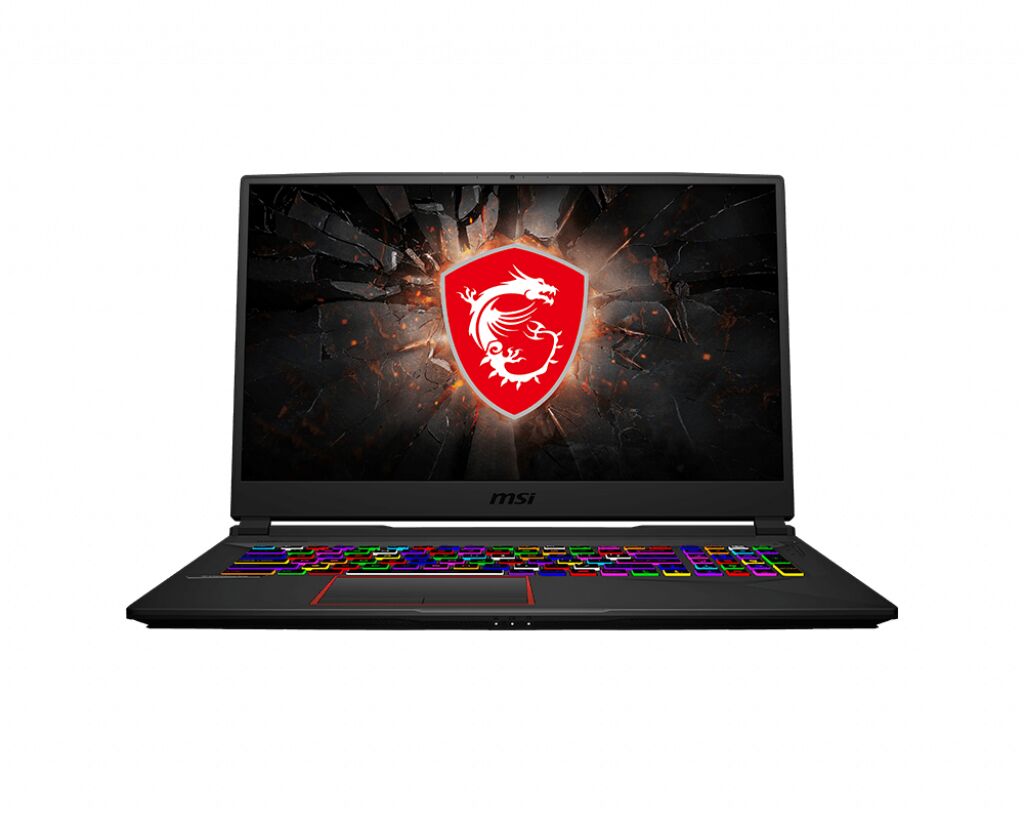
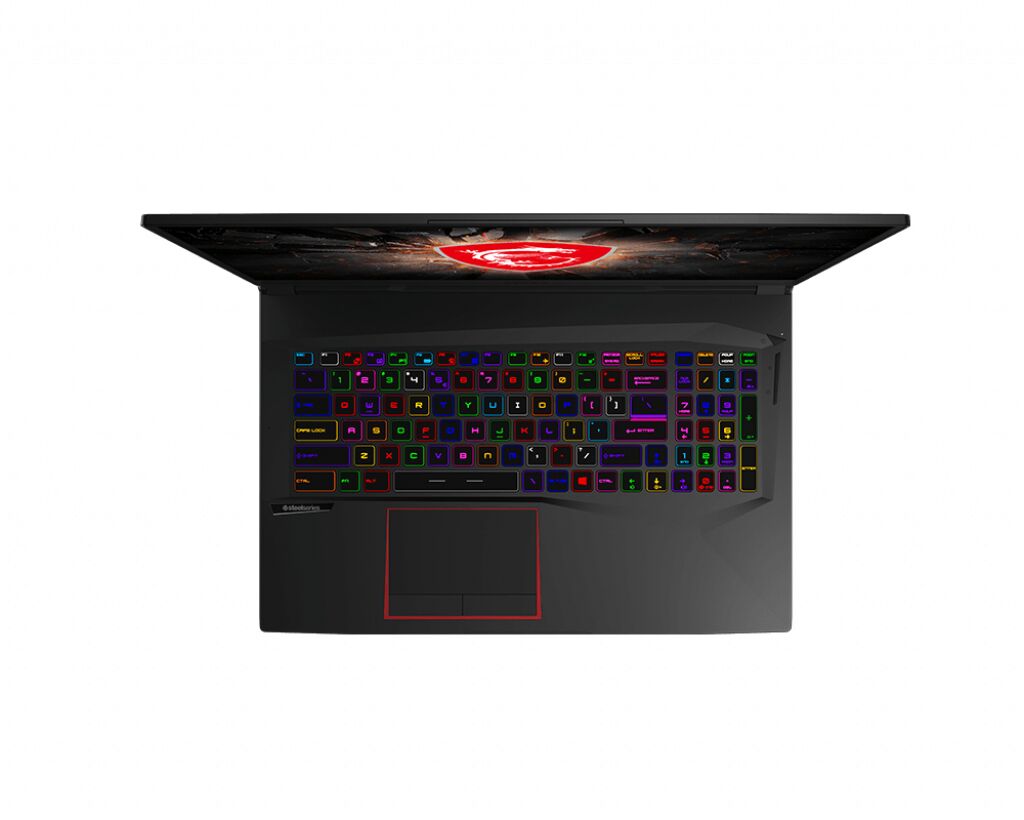
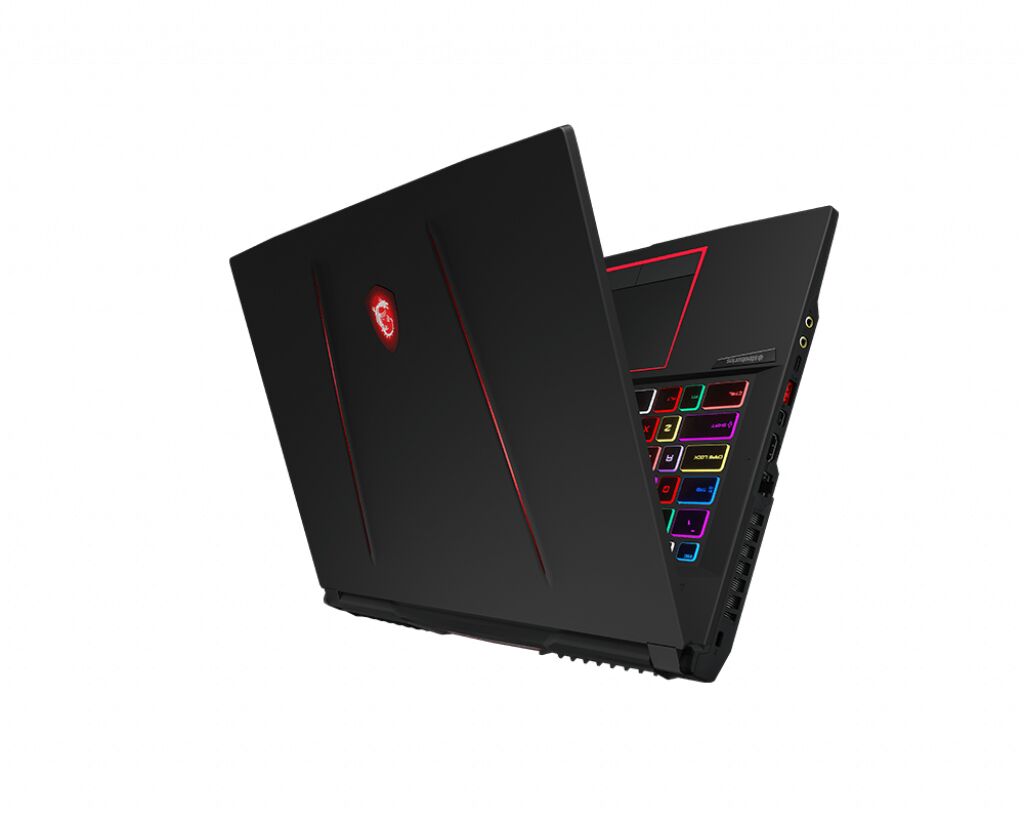
The MSI GE75 10SGS-039FR Raider gaming laptop supports DDR4-SDRAM memory upgrades with two SO-DIMM slots. Maximum RAM capacity reaches 64 GB total, with compatible modules operating at 3200 MHz frequency. The GE series Raider model specifications allow for memory expansion through dual SO-DIMM upgrade slots, supporting high-performance DDR4 RAM modules to enhance computing performance.
Memory Upgrade Specifications
| Specification | Value |
|---|---|
| Memory slots | 2x SO-DIMM |
| Form factor | SO-DIMM |
| Memory type | DDR4-SDRAM |
| Frequency | 3200 MHz |
| Maximum RAM | 64 GB |
| Voltage | 1.2V |
| Number of pins | 260-pin |
| Interface | PC4 |
| PC Speed Rating | PC4-3200 (PC4-25600) |
| Bandwidth | 25.6 GB/s |
| Laptop Release date | 01 May 2020 |
Additional Notes
- The MSI GE75 Raider contains 2 SO-DIMM slots, which means memory upgrades require simultaneous dual-channel configuration. Installing a single module will force the system into single-channel mode, degrading bandwidth by approximately 50 percent and reducing gaming frame rates by 10 to 15 percent.
- DDR4-3200 frequency support indicates the memory controller will not accept faster JEDEC standards (DDR4-3600 or above) without manual BIOS overclocking, which voids most manufacturer warranties on the memory subsystem.
- The 64 GB ceiling represents a hard physical limit due to the SO-DIMM form factor and 2-slot architecture. No firmware update or BIOS modification can expand this capacity beyond what the memory controller supports.
- SO-DIMM modules generate higher thermal density than UDIMM equivalents in the same footprint. Passive cooling near the memory slots may become insufficient under sustained load when both slots are populated with high-capacity modules, potentially triggering throttling.
- Upgrading from the factory configuration requires matching the exact timing profile (CAS latency, RAS-to-CAS delay, precharge time) of existing modules. Mixing matched pairs from different manufacturers introduces stability risks even if frequency and capacity are identical.
- The 3200 MHz specification reflects the JEDEC standard, not overclocked performance. Memory rated for higher frequencies will operate at 3200 MHz unless XMP/DOCP profiles are manually enabled in BIOS, adding configuration complexity during installation verification.