MSI Gaming GE75 10SGS-047 Raider RAM upgrade specifications


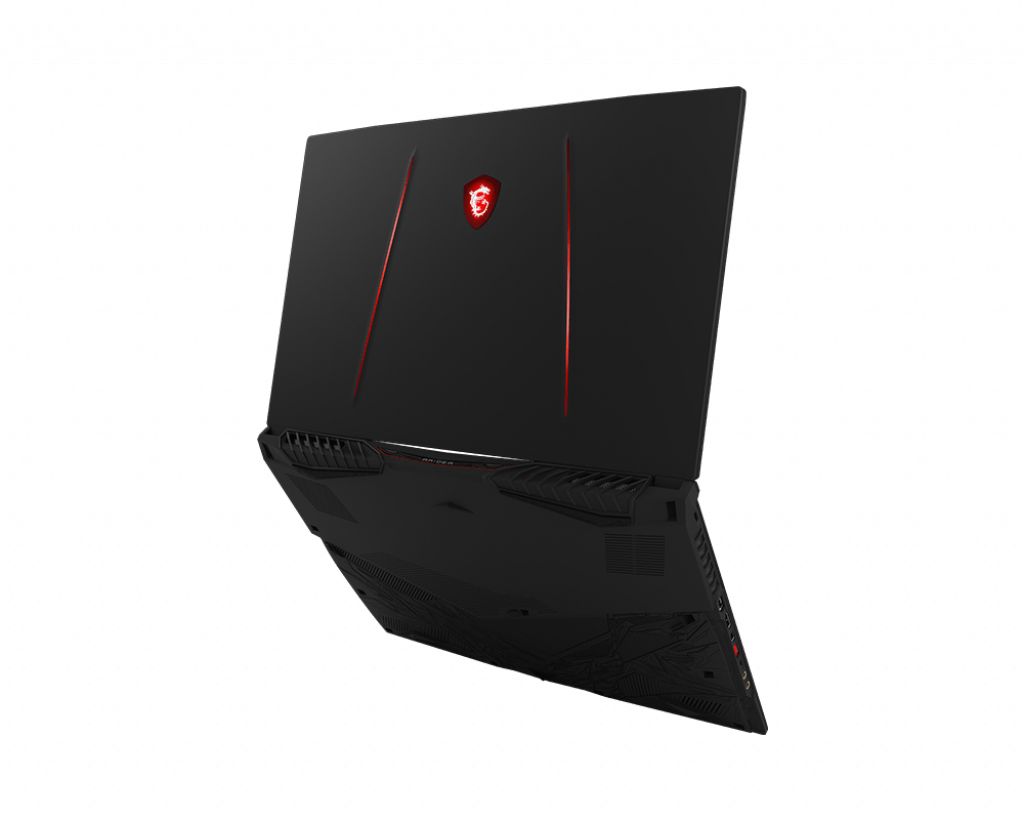


MSI GE75 10SGS-047 Raider gaming laptop features DDR4-SDRAM memory upgrade capabilities with two SO-DIMM slots supporting maximum RAM capacity of 64 GB. Memory specifications include DDR4 frequency at 2666 MHz. Upgrade compatibility requires SO-DIMM form factor modules. The GE series Raider model accommodates memory expansion through dual memory slots, enabling users to enhance system performance by installing compatible DDR4 memory modules up to the maximum supported capacity.
Memory Upgrade Specifications
| Specification | Value |
|---|---|
| Memory slots | 2x SO-DIMM |
| Form factor | SO-DIMM |
| Memory type | DDR4-SDRAM |
| Frequency | 2666 MHz |
| Maximum RAM | 64 GB |
| Voltage | 1.2V |
| Number of pins | 260-pin |
| Interface | PC4 |
| PC Speed Rating | PC4-2666 (PC4-21328) |
| Bandwidth | 21.3 GB/s |
| Laptop Release date | 01 April 2020 |
Additional Notes
- The MSI GE75 10SGS-047 Raider architecture limits RAM frequency to 2666 MHz regardless of module rated speed, meaning higher frequency modules will automatically downclock.
- The 2 slot configuration requires immediate replacement of existing modules rather than simple addition when upgrading to higher capacities.
- SO-DIMM form factor compatibility excludes standard desktop DIMM modules despite potentially matching DDR4 specifications.
- The 64 GB maximum indicates chipset memory controller constraints that prevent recognition of higher density modules even if physically compatible.
- Mixing modules with different speeds forces all modules to operate at the slowest module's frequency, creating performance bottlenecks in asymmetric configurations.
- Dual channel architecture depends on matched module pairs, meaning single module operation sacrifices approximately 30 percent memory bandwidth.
- Non-matching module capacities between slots maintains dual channel operation but may introduce timing inconsistencies affecting stability under sustained loads.
- Third-party RAM installation typically preserves warranty coverage as memory slots are user-accessible components, unlike soldered configurations.
- Voltage compatibility requires DDR4 modules operating at standard 1.2V, as higher voltage variants designed for overclocking may cause POST failures.
- CAS latency variations between installed modules force the memory controller to adopt the highest latency timing, potentially degrading responsiveness in memory-intensive operations.