MSI Gaming GE75 8SE-008BE Raider RAM upgrade specifications
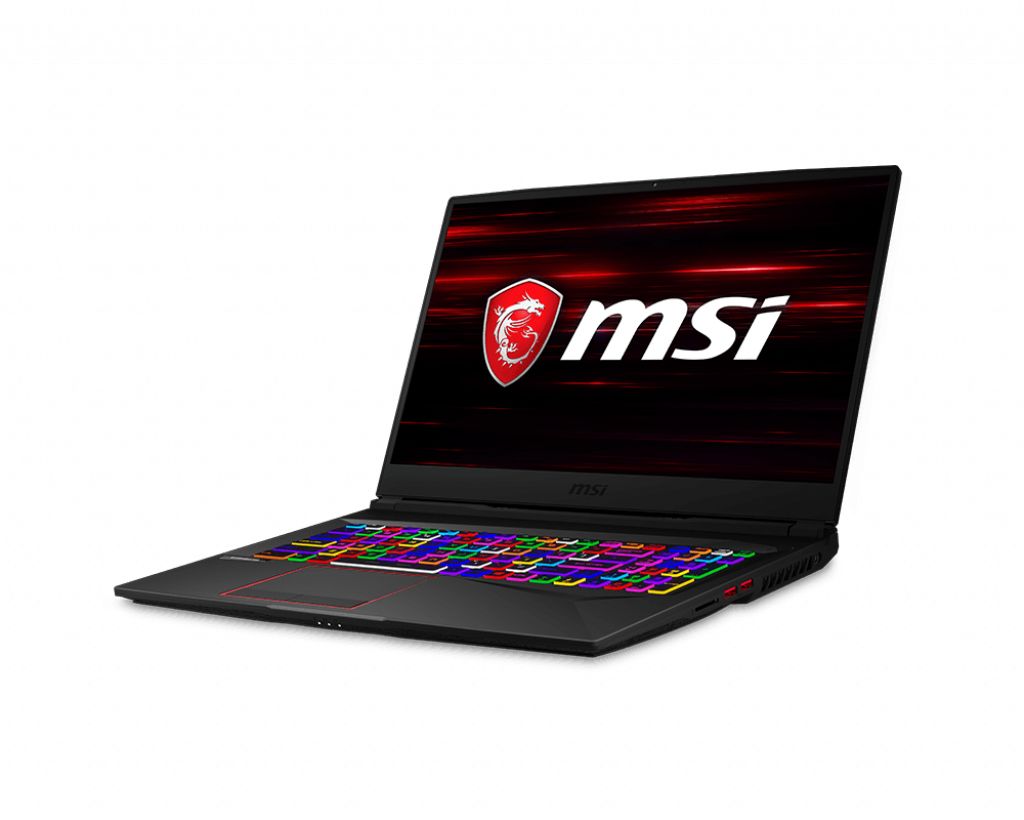

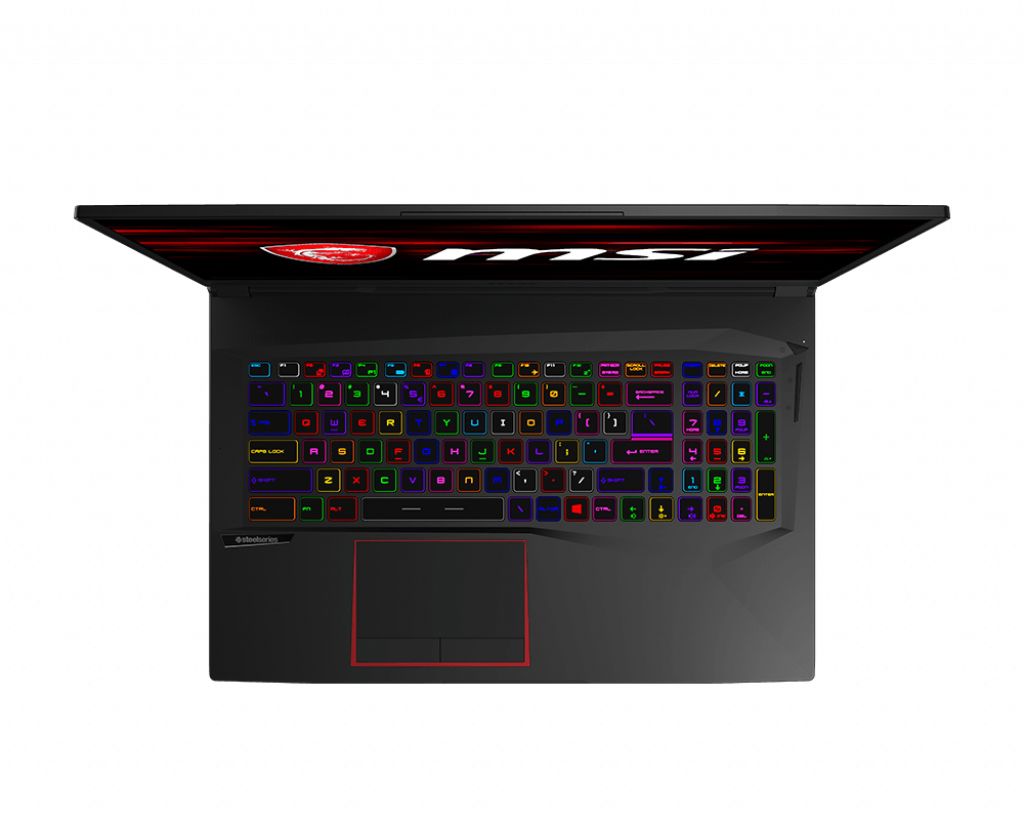
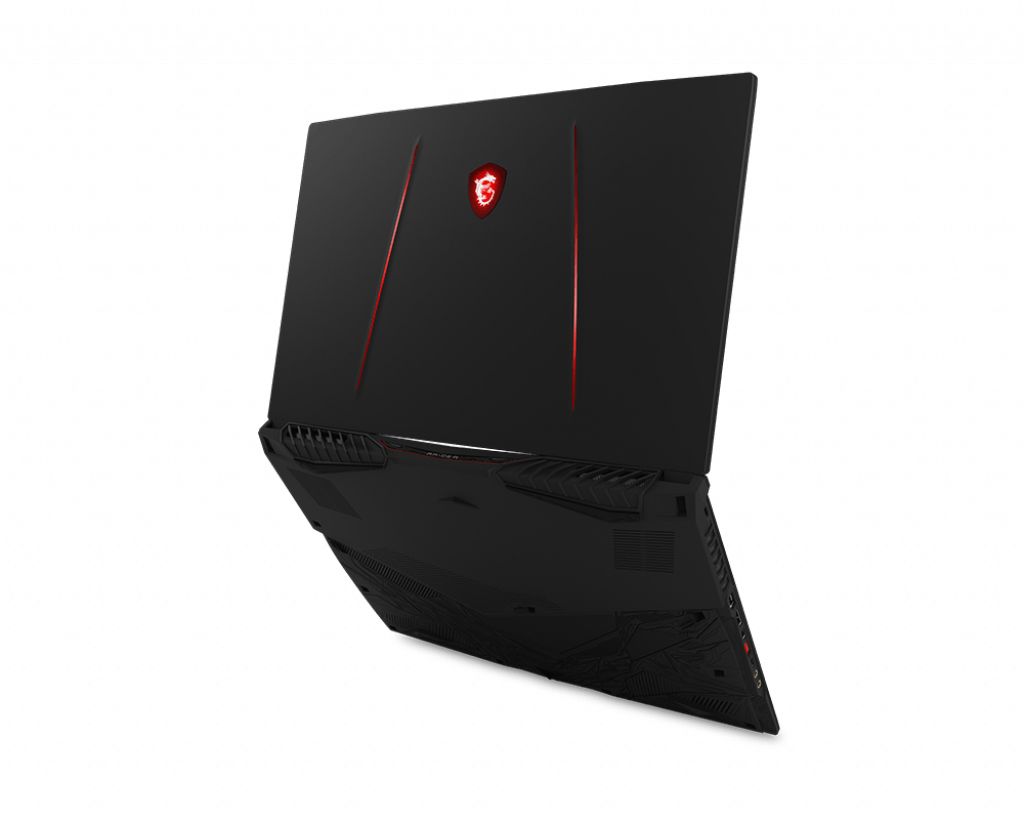

The MSI GE75 8SE-008BE Raider gaming laptop contains two SO-DIMM memory slots supporting DDR4-SDRAM specifications. Maximum RAM capacity reaches 32 GB total, with compatible modules operating at 2666 MHz frequency. Memory upgrade specifications indicate SO-DIMM form factor compatibility. Existing memory configuration permits expansion through dual slot architecture. DDR4-SDRAM modules represent the required memory type for compatible upgrades within the GE series platform.
Memory Upgrade Specifications
| Specification | Value |
|---|---|
| Memory slots | 2x SO-DIMM |
| Form factor | SO-DIMM |
| Memory type | DDR4-SDRAM |
| Frequency | 2666 MHz |
| Maximum RAM | 32 GB |
| Voltage | 1.2V |
| Number of pins | 260-pin |
| Interface | PC4 |
| PC Speed Rating | PC4-2666 (PC4-21328) |
| Bandwidth | 21.3 GB/s |
| Laptop Release date | 31 January 2019 |
Additional Notes
- The MSI GE75 8SE-008BE Raider architecture limits total system memory to 32 GB, meaning dual-channel configuration peaks at 16 GB per module regardless of higher capacity module availability.
- The 2666 MHz frequency specification indicates this system utilizes an 8th generation Intel Core processor, which natively supports DDR4-2666 as its maximum JEDEC standard speed without overclocking.
- Installing modules faster than 2666 MHz will result in automatic downclocking to match the platform's supported frequency, offering no performance benefit despite potential cost premium.
- Asymmetric memory configurations, such as pairing 8 GB with 16 GB modules, will cause the system to run the first 16 GB in dual-channel mode while the remaining 8 GB operates in slower single-channel mode.
- The SO-DIMM form factor requires modules with 260-pin connectors, making standard desktop DIMM modules physically incompatible with this platform's memory slots.
- Both memory slots are accessible through the bottom panel without requiring thermal paste reapplication or display hinge disassembly, maintaining manufacturer warranty coverage during upgrades.
- Non-ECC unbuffered modules are required for this consumer platform, as registered or ECC memory types will prevent system POST or cause boot failures.
- Single-rank versus dual-rank module topology can affect performance in memory-intensive workloads, with dual 16 GB single-rank modules potentially offering marginal latency advantages over dual-rank configurations.
- Operating voltage must conform to DDR4 standard of 1.2V, as higher voltage XMP profiles designed for desktop overclocking may cause instability or thermal issues in this mobile thermal envelope.
- The dual-channel memory controller requires matched module specifications for optimal performance, with mismatched timings forcing both modules to run at the slower module's CAS latency values.