MSI Gaming GE75 8SE Raider RAM upgrade specifications



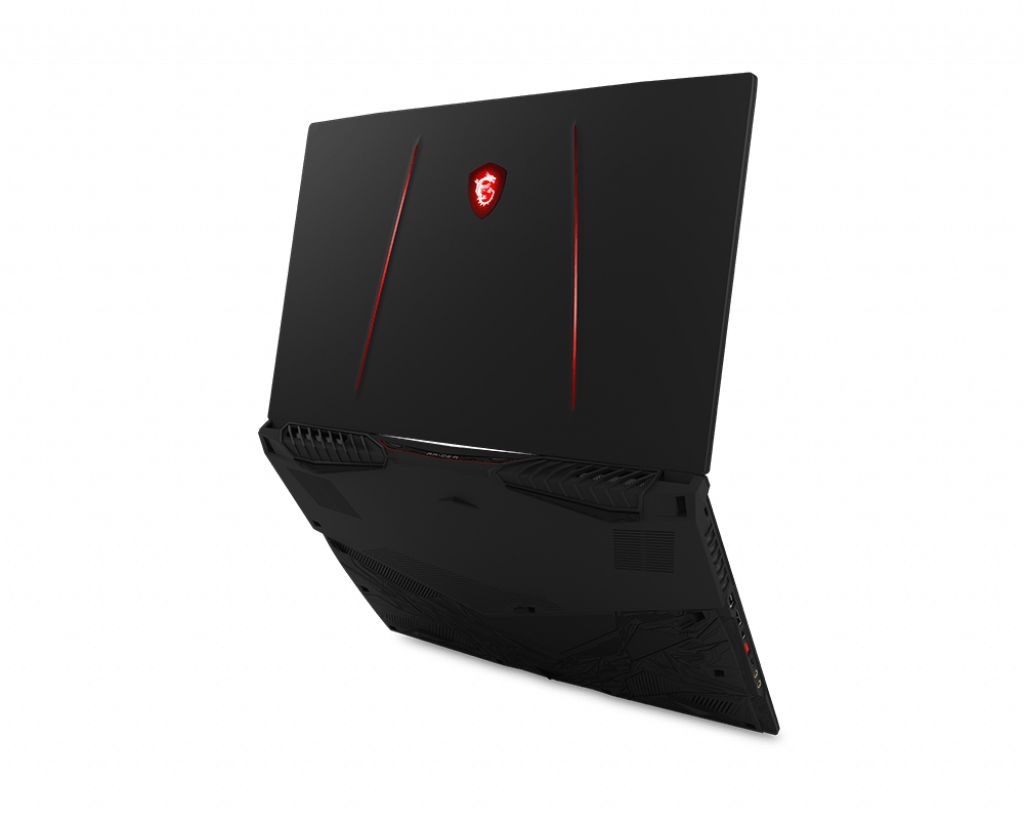

The MSI GE75 8SE Raider gaming laptop contains two SO-DIMM memory slots supporting DDR4-SDRAM modules at 2666 MHz frequency. Maximum memory capacity reaches 32 GB total when both slots are populated. RAM upgrade specifications for the GE75 8SE Raider series indicate compatible DDR4 SO-DIMM modules can be installed to expand system memory. The Gaming family GE series supports memory upgrades using standard DDR4 specifications and SO-DIMM form factor components.
Memory Upgrade Specifications
| Specification | Value |
|---|---|
| Memory slots | 2x SO-DIMM |
| Form factor | SO-DIMM |
| Memory type | DDR4-SDRAM |
| Frequency | 2666 MHz |
| Maximum RAM | 32 GB |
| Voltage | 1.2V |
| Number of pins | 260-pin |
| Interface | PC4 |
| PC Speed Rating | PC4-2666 (PC4-21328) |
| Bandwidth | 21.3 GB/s |
| Laptop Release date | 05 June 2019 |
Additional Notes
- The MSI GE75 8SE Raider architecture limits total system memory to 32 GB across both slots, requiring matched 16 GB modules for maximum capacity configurations.
- DDR4-2666 represents the highest validated frequency for this platform, though higher-speed modules may downclock automatically to this specification without BIOS intervention.
- SO-DIMM physical format requires modules approximately 67.6 mm in length, substantially shorter than desktop DIMM variants which cannot physically install in these slots.
- Dual-channel operation requires populated pairs of identical specification modules to achieve full memory bandwidth, with single-module configurations halving theoretical throughput.
- Eighth-generation Intel mobile processors in this chassis implement dual-channel memory controllers optimized for DDR4-2666, making faster modules functionally redundant.
- Access to memory slots typically requires bottom panel removal, with warranty seals potentially positioned over service access points depending on regional SKU.
- Non-ECC unbuffered SO-DIMM modules represent the only compatible architecture, as registered or ECC variants will cause POST failures or remain unrecognized.
- Voltage specification defaults to 1.2V for DDR4 standards, with low-voltage 1.35V variants potentially causing instability if SPD profiles override platform defaults.
- Mixing module capacities across slots functions but forces single-channel operation for capacities exceeding the smaller module, degrading bandwidth efficiency.
- CAS latency variations between CL19 and CL22 modules produce measurable but typically minor real-world performance differences at this frequency tier.