MSI Gaming GE75 8SE-020CZ Raider RAM upgrade specifications
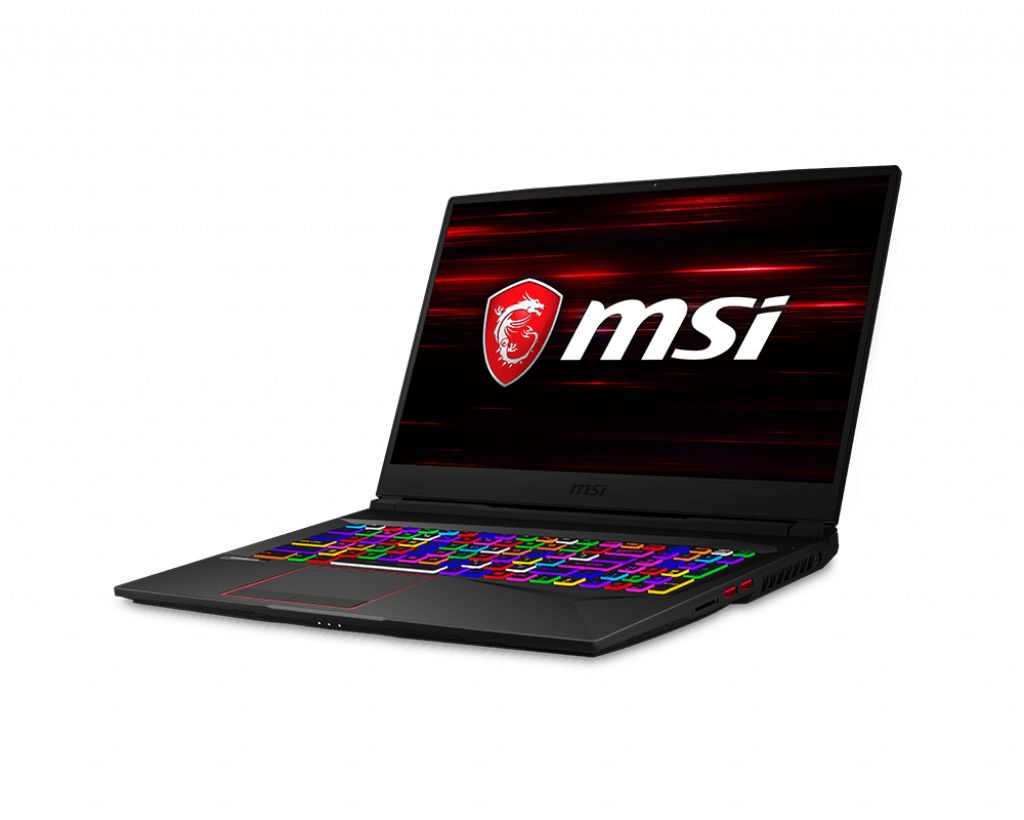
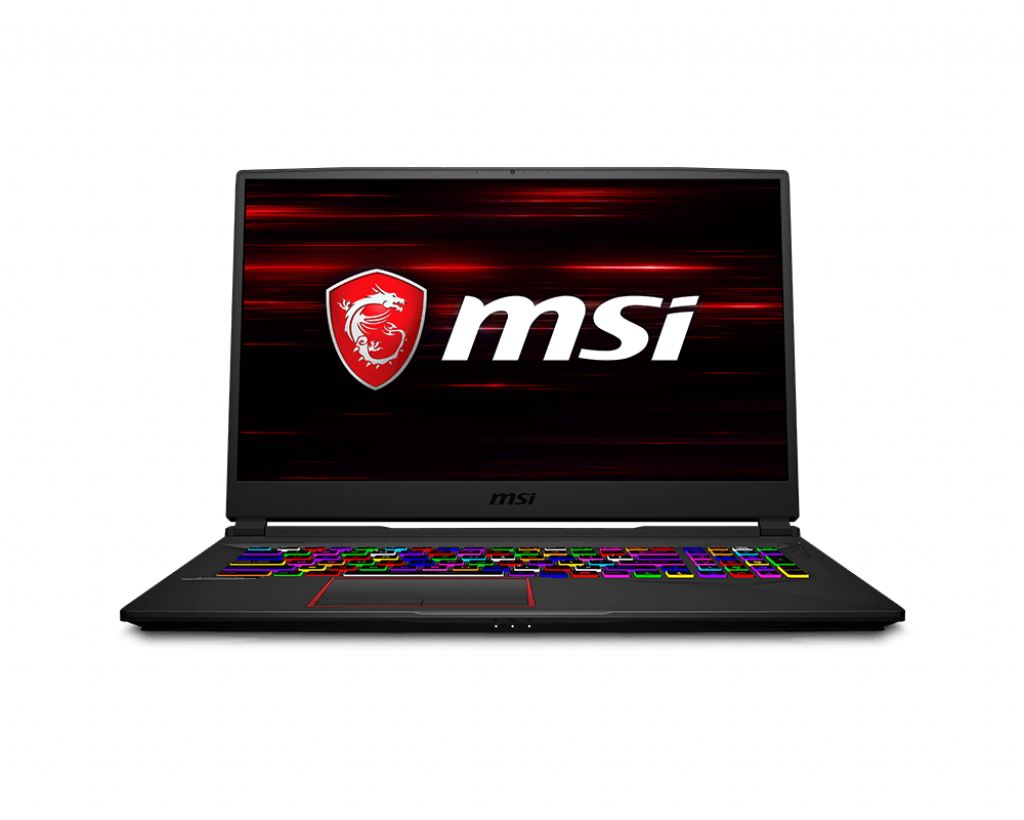
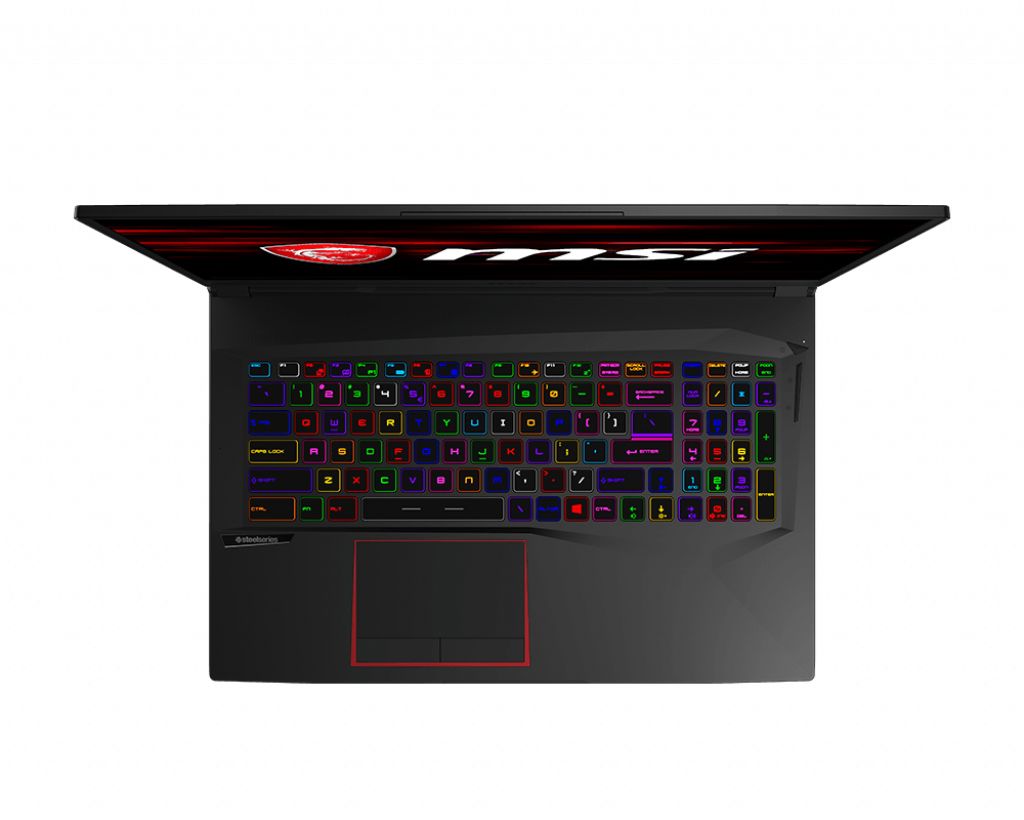
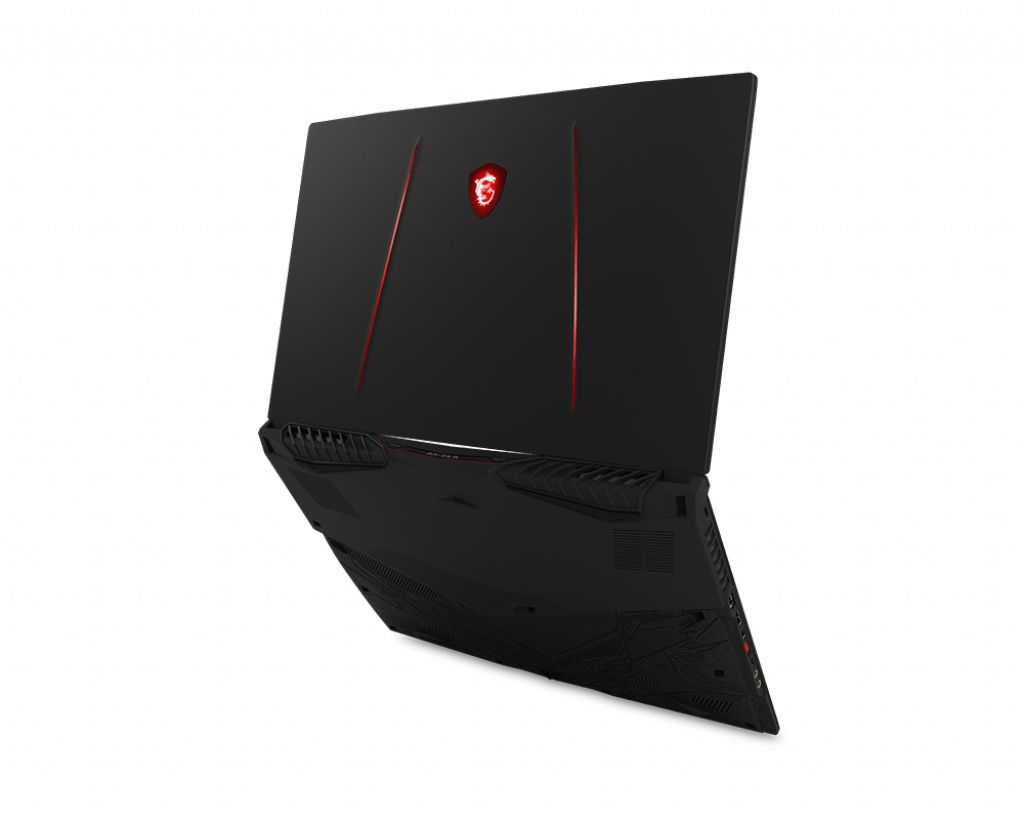

The MSI GE75 8SE-020CZ Raider Gaming series laptop features DDR4-SDRAM memory upgrade specifications. The system contains 2x SO-DIMM slots for memory expansion, supporting a maximum RAM capacity of 32 GB total. Compatible memory modules operate at 2666 MHz frequency with SO-DIMM form factor. These specifications define the upgrade and memory compatibility parameters for the MSI GE75 8SE-020CZ Raider model.
Memory Upgrade Specifications
| Specification | Value |
|---|---|
| Memory slots | 2x SO-DIMM |
| Form factor | SO-DIMM |
| Memory type | DDR4-SDRAM |
| Frequency | 2666 MHz |
| Maximum RAM | 32 GB |
| Voltage | 1.2V |
| Number of pins | 260-pin |
| Interface | PC4 |
| PC Speed Rating | PC4-2666 (PC4-21328) |
| Bandwidth | 21.3 GB/s |
| Laptop Release date | 25 May 2019 |
Additional Notes
- The MSI GE75 8SE-020CZ Raider's dual-slot configuration requires matched pairs for optimal dual-channel bandwidth, as mismatched modules may force operation in single-channel mode with halved memory throughput.
- The 32 GB ceiling indicates 2 slots accepting 16 GB modules each, eliminating future expansion beyond this total without replacing existing memory entirely.
- DDR4-2666 operates at PC4-21300 standard, delivering 21.3 GB/s theoretical bandwidth per channel or 42.6 GB/s combined in dual-channel mode when properly configured.
- SO-DIMM modules measuring 69.6 mm impose physical constraints compared to desktop UDIMM variants, restricting aftermarket options to laptop-specific form factors.
- Higher frequency modules such as DDR4-3200 will downclock to 2666 MHz due to platform limitations, offering no performance benefit despite increased cost.
- Voltage specifications must remain at standard 1.2V, as gaming laptops typically lack BIOS voltage controls found in desktop systems, making low-voltage or overclocking-oriented modules incompatible.
- Thermal design considerations in gaming chassis require modules without tall heat spreaders, as clearance between RAM and keyboard deck typically measures under 5 mm.
- CAS latency becomes critical at this frequency tier, with CL19 representing standard timing while CL17 or CL16 modules provide measurable latency reduction in memory-intensive gaming scenarios.
- Non-ECC unbuffered modules represent the only compatible architecture, as consumer mobile platforms reject server-grade registered or error-correcting variants.
- Single-rank versus dual-rank topology affects performance differently across workloads, with dual-rank configurations offering up to 10% gains in bandwidth-sensitive applications despite identical capacity ratings.