MSI Gaming GE75 8SE-046 Raider RAM upgrade specifications
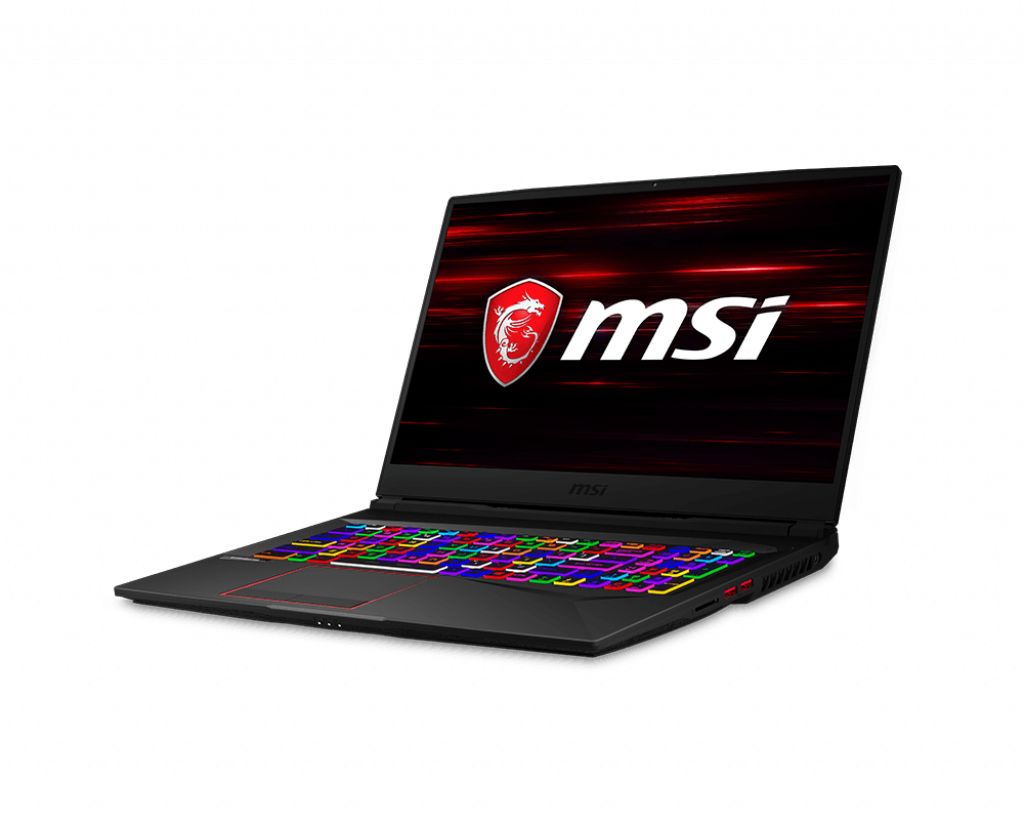
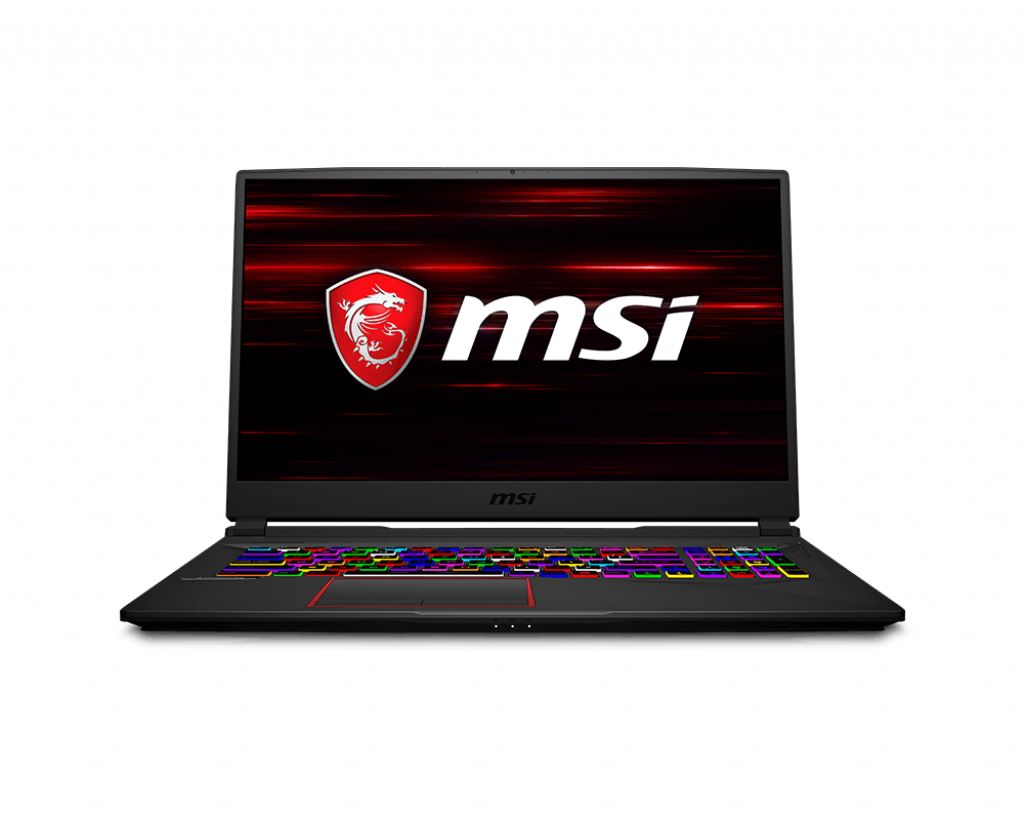
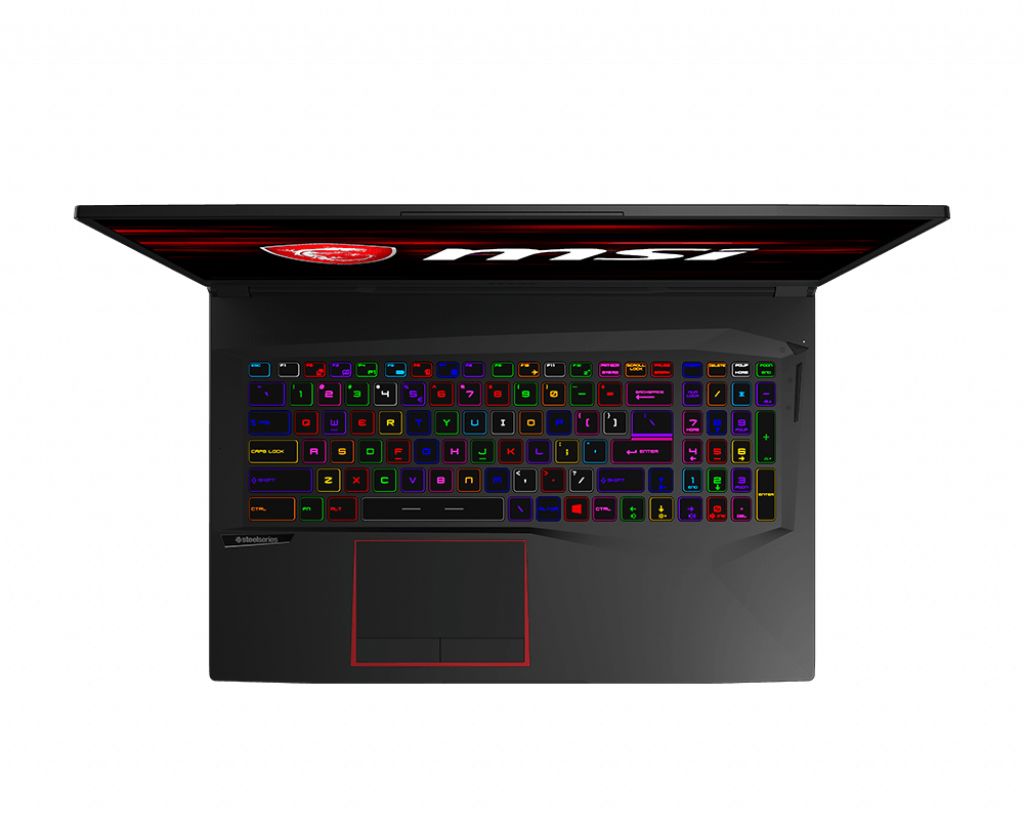
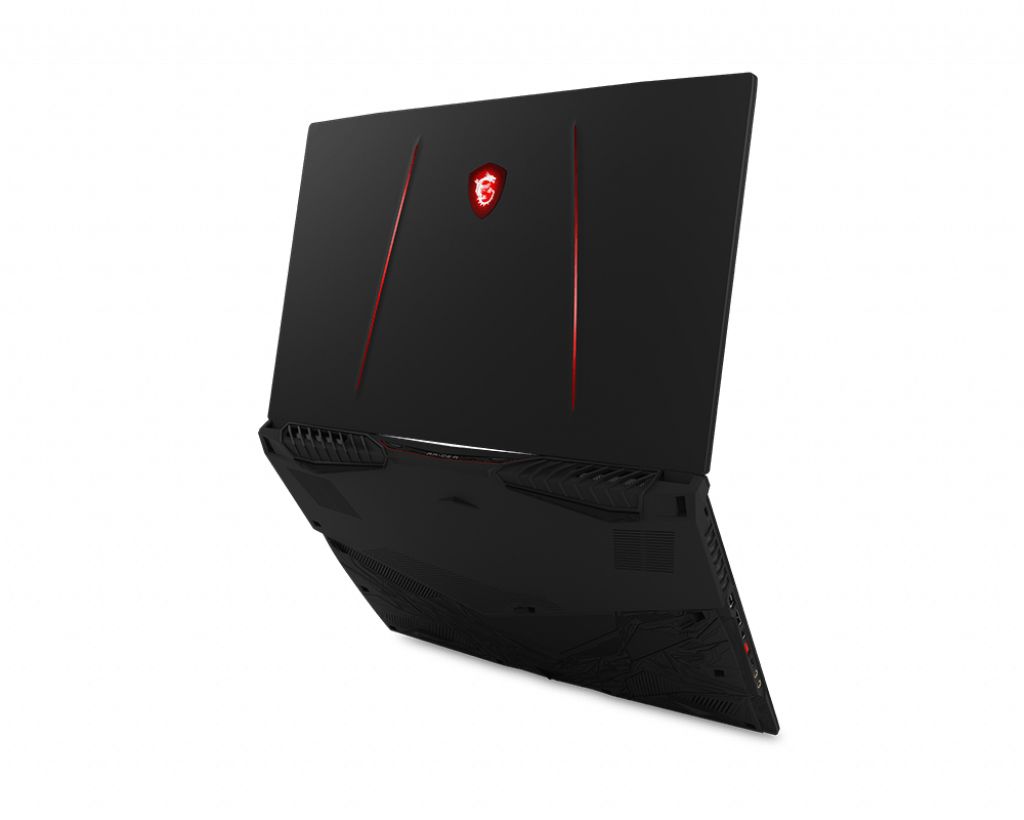
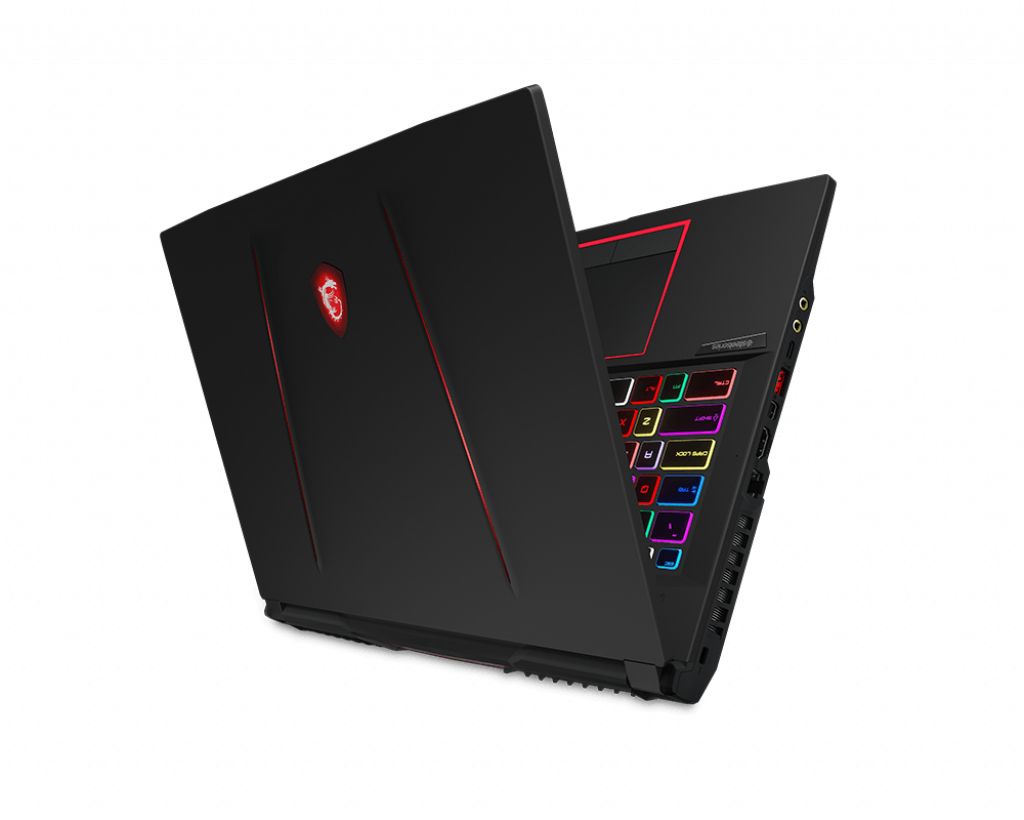
The MSI GE75 8SE-046 Raider Gaming series laptop features DDR4-SDRAM memory upgrade specifications with 2x SO-DIMM slots. Maximum RAM capacity reaches 32 GB total. Memory operates at 2666 MHz frequency. Compatible upgrades utilize SO-DIMM form factor modules. Current specifications allow for RAM expansion to achieve the maximum capacity supported by the GE75 8SE-046 Raider platform.
Memory Upgrade Specifications
| Specification | Value |
|---|---|
| Memory slots | 2x SO-DIMM |
| Form factor | SO-DIMM |
| Memory type | DDR4-SDRAM |
| Frequency | 2666 MHz |
| Maximum RAM | 32 GB |
| Voltage | 1.2V |
| Number of pins | 260-pin |
| Interface | PC4 |
| PC Speed Rating | PC4-2666 (PC4-21328) |
| Bandwidth | 21.3 GB/s |
| Laptop Release date | 13 February 2019 |
Additional Notes
- The MSI GE75 8SE-046 Raider accepts DDR4 modules at 2666 MHz, which represents the 8th generation Intel standard. Modules rated above 2666 MHz will operate at this ceiling frequency due to BIOS-level memory controller limitations, resulting in no performance gains from higher-speed purchases.
- SO-DIMM form factor restriction means desktop DDR4 UDIMM modules cannot physically install in either memory slot, eliminating the possibility of repurposing standard tower PC RAM for this system.
- The 2-slot configuration with a 32 GB maximum capacity constrains the upgrade path to 2x16 GB modules as the sole path to full capacity. Single-module upgrades create asymmetric channel configurations that degrade bandwidth utilization on the dual-channel memory bus.
- Existing RAM must be completely replaced rather than supplemented if migrating from stock configurations. There is no mixed-capacity pairing scenario (such as 8 GB plus 16 GB) that maintains symmetric dual-channel operation.
- SO-DIMM modules operate at lower latencies than comparable UDIMM variants due to signal propagation differences. Aftermarket modules at identical frequency specifications may exhibit tighter timings, though actual gaming performance variance remains marginal below 3000 MHz.
- The 8th generation memory controller topology carries documented instability risks with certain non-OEM module batches. Purchasing modules explicitly validated against 8th generation Core processors reduces warranty claim complications from memory-related system instability.