MSI Gaming GE75 8SE-069AU Raider RAM upgrade specifications
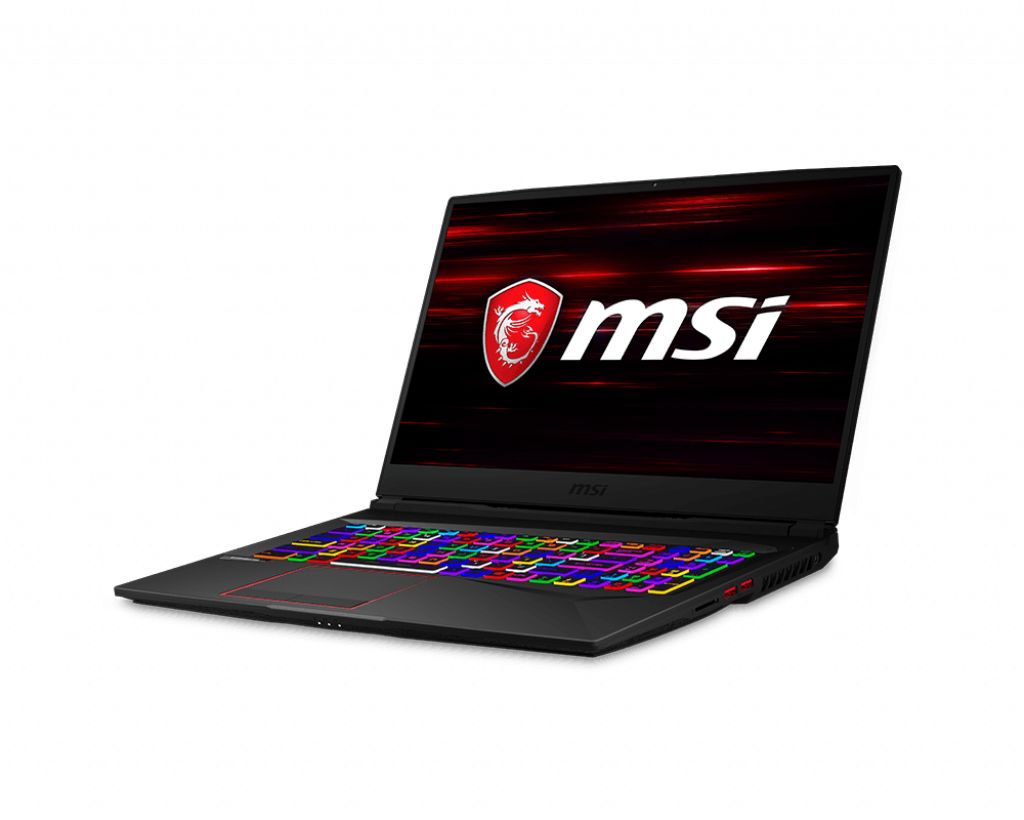
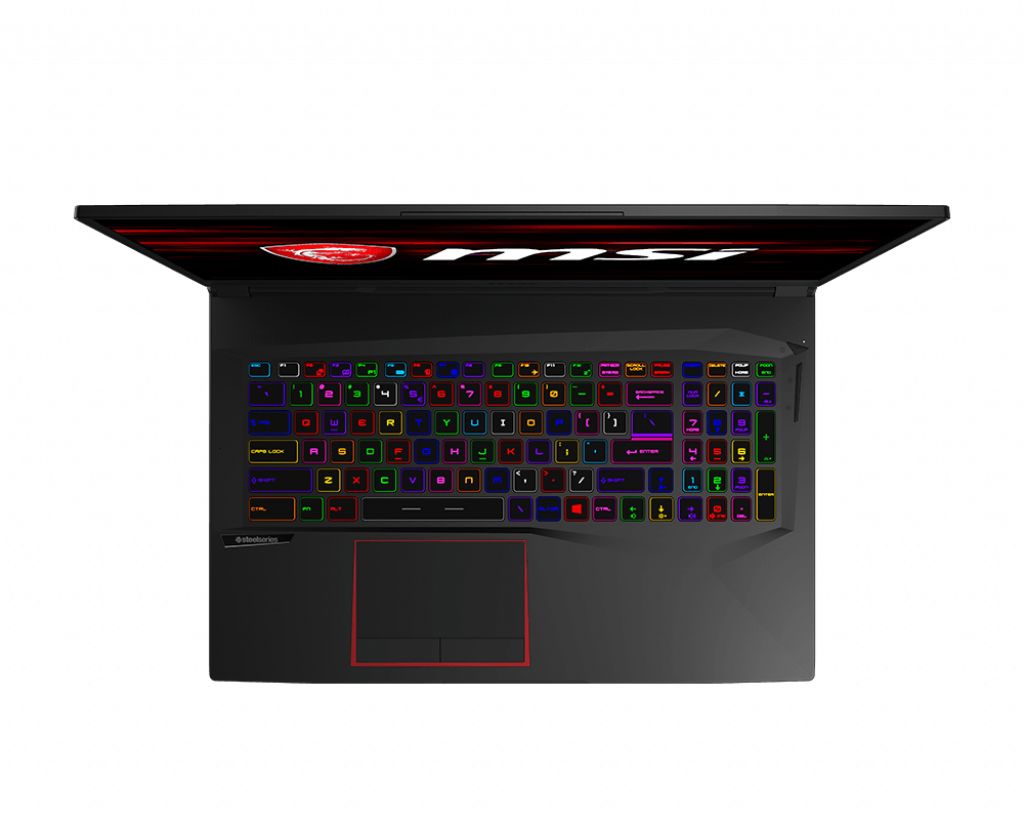
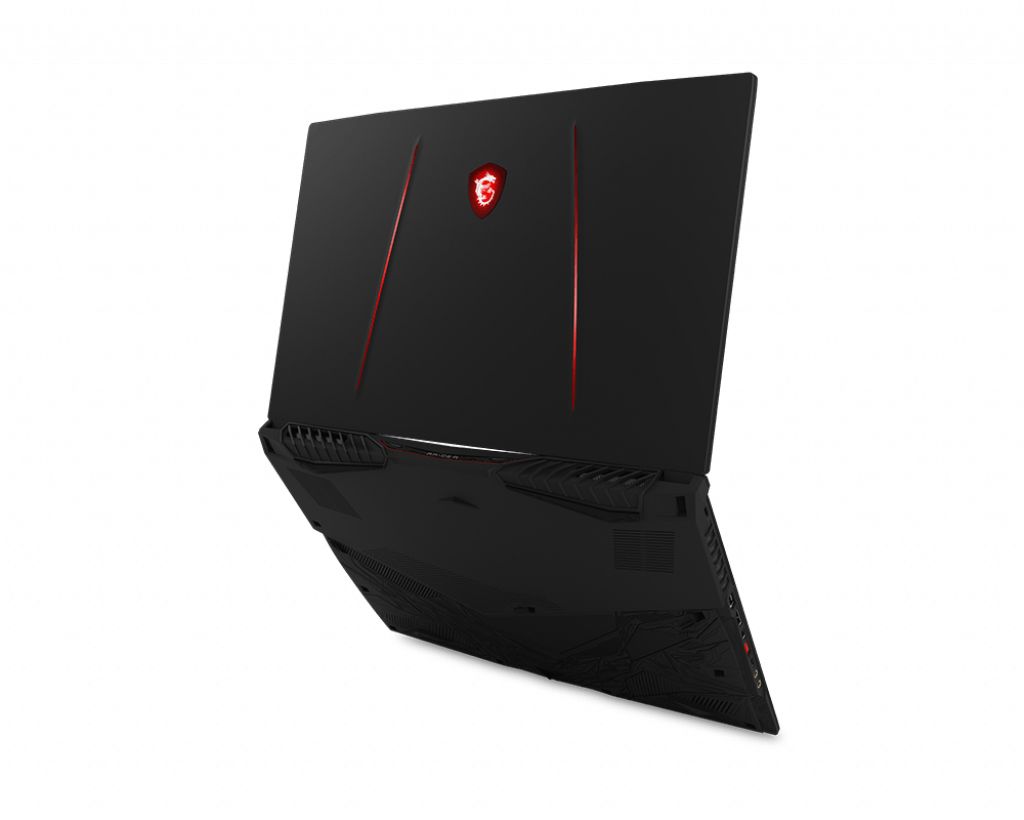
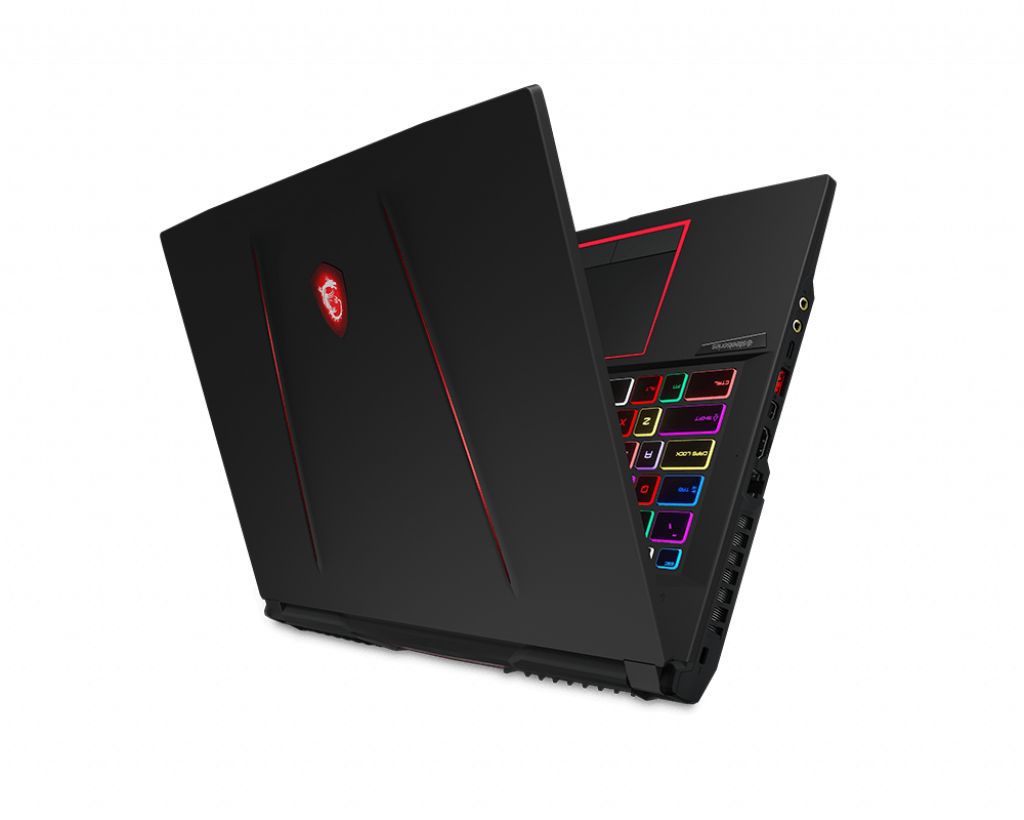
The MSI GE75 8SE-069AU Raider gaming laptop features two SO-DIMM slots for DDR4-SDRAM memory upgrade. The system supports a maximum RAM capacity of 32 GB total, operating at 2666 MHz frequency. Compatible memory modules utilize the SO-DIMM form factor, enabling users to expand the laptop's memory specifications from factory configuration. Current upgrade slots accommodate DDR4 memory technology, providing flexibility for enhanced multitasking and gaming performance capabilities.
Memory Upgrade Specifications
| Specification | Value |
|---|---|
| Memory slots | 2x SO-DIMM |
| Form factor | SO-DIMM |
| Memory type | DDR4-SDRAM |
| Frequency | 2666 MHz |
| Maximum RAM | 32 GB |
| Voltage | 1.2V |
| Number of pins | 260-pin |
| Interface | PC4 |
| PC Speed Rating | PC4-2666 (PC4-21328) |
| Bandwidth | 21.3 GB/s |
| Laptop Release date | 02 February 2019 |
Additional Notes
- The 32 GB ceiling stems from chipset addressing limitations rather than slot availability, preventing future expansion beyond this threshold even if higher-density modules become available.
- The MSI GE75 8SE-069AU Raider configuration requires matching pairs to activate dual-channel bandwidth, as single-module operation halves memory throughput from 42.6 GB/s to 21.3 GB/s.
- DDR4-2666 represents the maximum JEDEC-standard speed supported, meaning higher-rated modules at 3000 MHz or 3200 MHz will downclock automatically to 2666 MHz.
- Both slots accept 260-pin modules exclusively, making desktop 288-pin DDR4 physically incompatible regardless of speed or capacity specifications.
- Warranty preservation depends on maintaining manufacturer-approved voltage specifications of 1.2V, as XMP profiles exceeding this threshold may void coverage under certain regional policies.
- Thermal constraints within the laptop chassis limit sustained memory performance during intensive workloads, as passive cooling relies on ambient airflow without dedicated heat spreaders.
- Memory controller latency at CL19 timing produces approximately 14.25 nanoseconds of access delay, creating potential bottlenecks in applications sensitive to first-word latency rather than raw bandwidth.
- Mixing modules with different ranks (single-rank versus dual-rank) forces the system to lowest-common-denominator configuration, reducing interleaving efficiency even when total capacity remains identical.
- The SO-DIMM form factor restricts module height to 30 mm maximum, eliminating compatibility with certain gaming-oriented modules featuring oversized heat spreaders designed for desktop systems.
- Non-ECC unbuffered modules are the only supported architecture, as registered or ECC variants will either fail POST diagnostics or operate without error correction capabilities.