MSI Gaming GE75 8SF-019CZ Raider RAM upgrade specifications
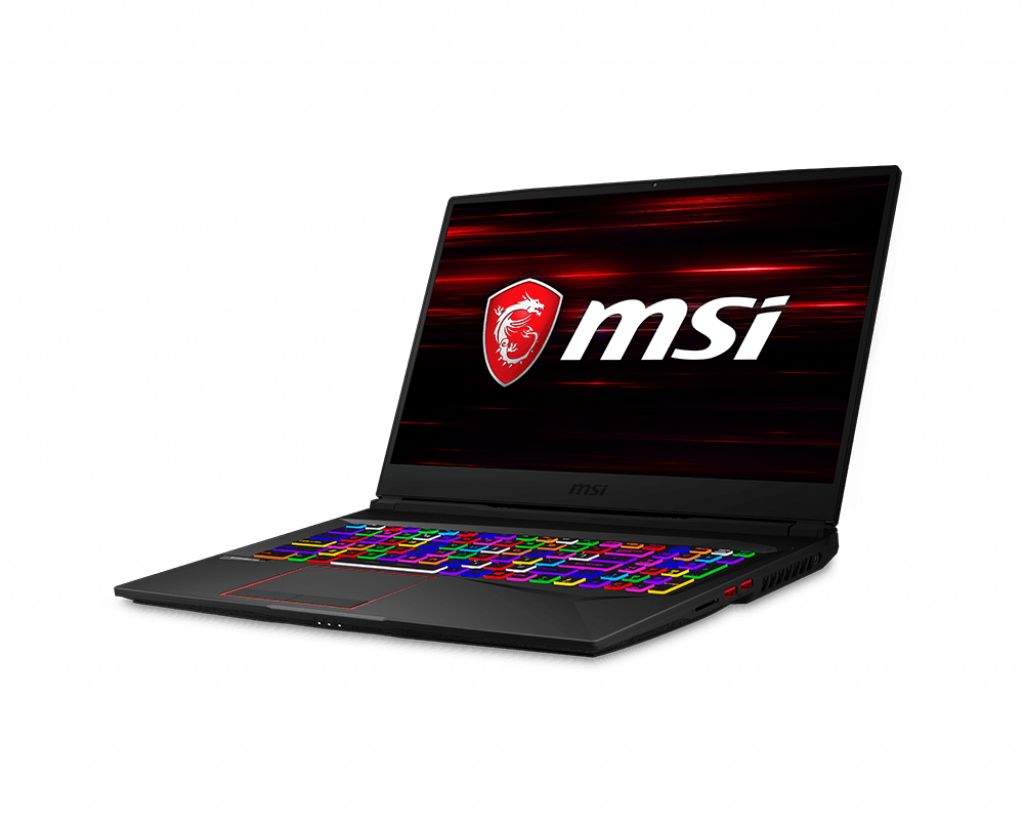
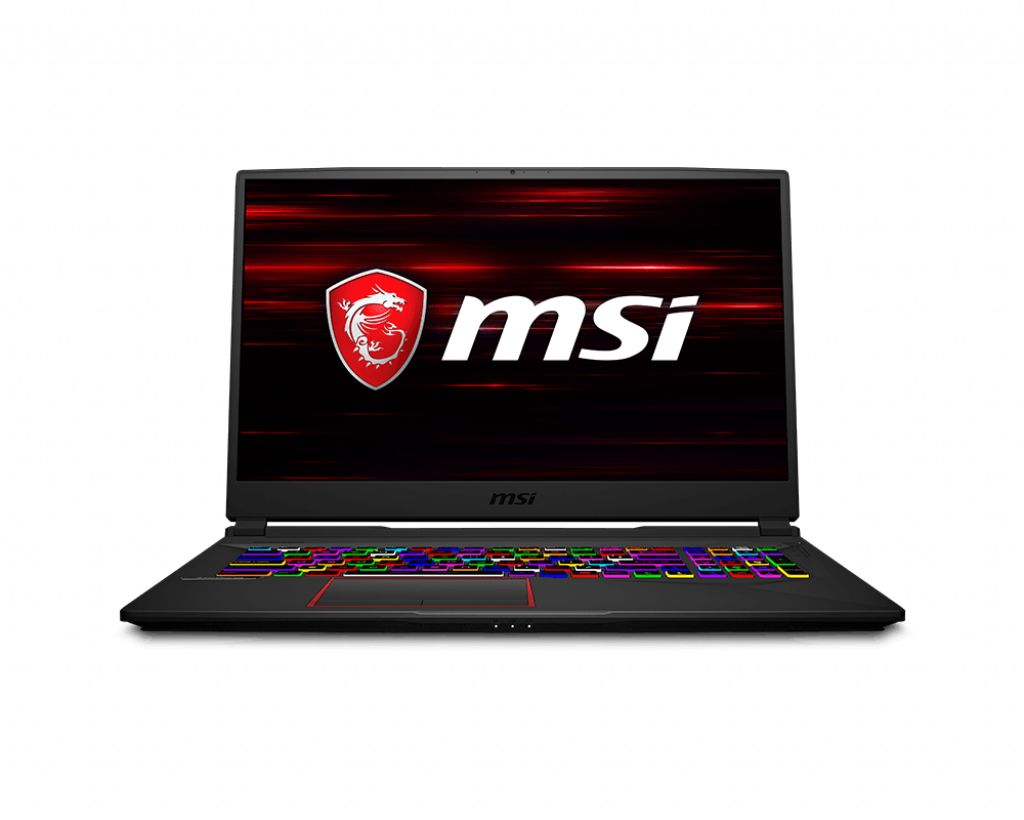
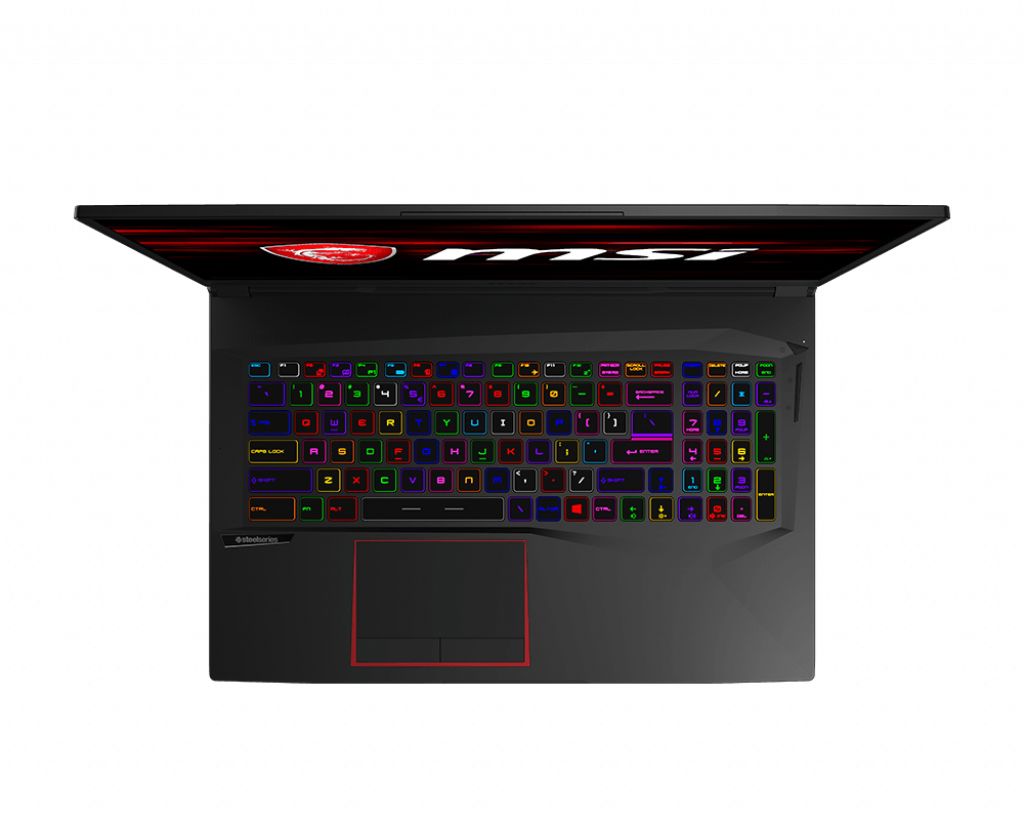
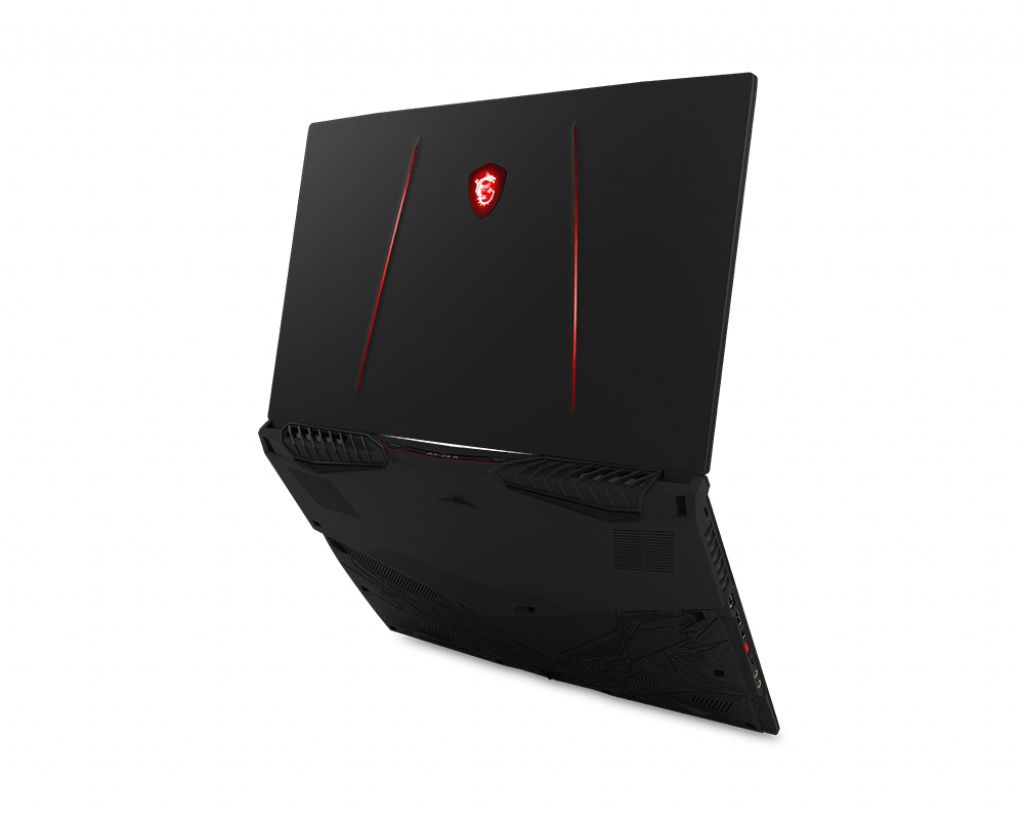
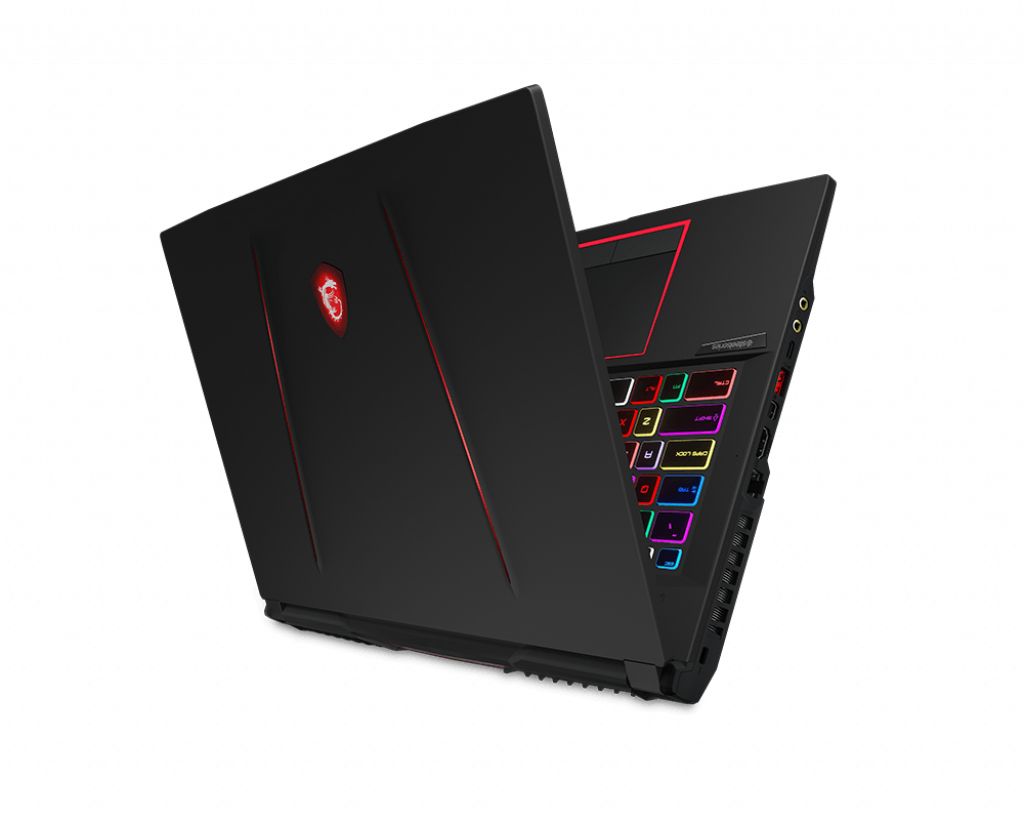
The MSI GE75 8SF-019CZ Raider Gaming series laptop features two SO-DIMM slots for memory expansion. Maximum RAM capacity reaches 32 GB through compatible DDR4-SDRAM modules operating at 2666 MHz frequency. Upgrade specifications support installation of high-performance memory modules in SO-DIMM form factor, enabling enhanced multitasking and gaming performance capabilities for the GE75 8SF-019CZ Raider model.
Memory Upgrade Specifications
| Specification | Value |
|---|---|
| Memory slots | 2x SO-DIMM |
| Form factor | SO-DIMM |
| Memory type | DDR4-SDRAM |
| Frequency | 2666 MHz |
| Maximum RAM | 32 GB |
| Voltage | 1.2V |
| Number of pins | 260-pin |
| Interface | PC4 |
| PC Speed Rating | PC4-2666 (PC4-21328) |
| Bandwidth | 21.3 GB/s |
| Laptop Release date | 25 May 2019 |
Additional Notes
- The 2 SO-DIMM architecture in this MSI GE75 8SF-019CZ Raider limits upgrade flexibility since both slots must be occupied to reach the 32 GB ceiling, preventing incremental single-module additions beyond the 16 GB midpoint.
- DDR4-2666 represents the maximum validated frequency for this chipset generation, meaning modules rated at 3200 MHz or higher will downclock automatically to 2666 MHz, eliminating any speed advantage from premium-tier memory kits.
- The SO-DIMM form factor requirement excludes standard desktop DIMM modules entirely, as the 260-pin laptop configuration differs mechanically and electrically from the 288-pin desktop standard.
- Memory bandwidth peaks at 21.3 GB/s per channel with DDR4-2666, creating potential throughput limitations for GPU-intensive workloads that rely on shared system memory or integrated graphics processing.
- Mixing memory modules with different CAS latencies will force all installed RAM to operate at the slowest timing present, degrading performance of faster modules to match the least responsive stick.
- Non-ECC unbuffered modules are required, as the consumer chipset lacks error-correction support and registered DIMMs will trigger POST failures during boot sequence initialization.
- Dual-channel operation requires matched pair installation, meaning asymmetric configurations like 8 GB plus 16 GB will run partially in single-channel mode, cutting memory bandwidth in half for the non-matched portion.
- Voltage specifications must remain within the JEDEC-standard 1.2V range, as SO-DIMM slots lack the power delivery infrastructure for XMP profiles that demand 1.35V or higher.
- The 32 GB maximum represents a hard controller limit rather than a slot restriction, meaning 2x32 GB configurations will fail regardless of module availability in that density.
- Memory access latency increases proportionally with density per module, so a 2x16 GB configuration will exhibit marginally higher first-word latency compared to a 2x8 GB setup at identical frequency and timings.