MSI Gaming GE75 8SF-044 Raider RAM upgrade specifications
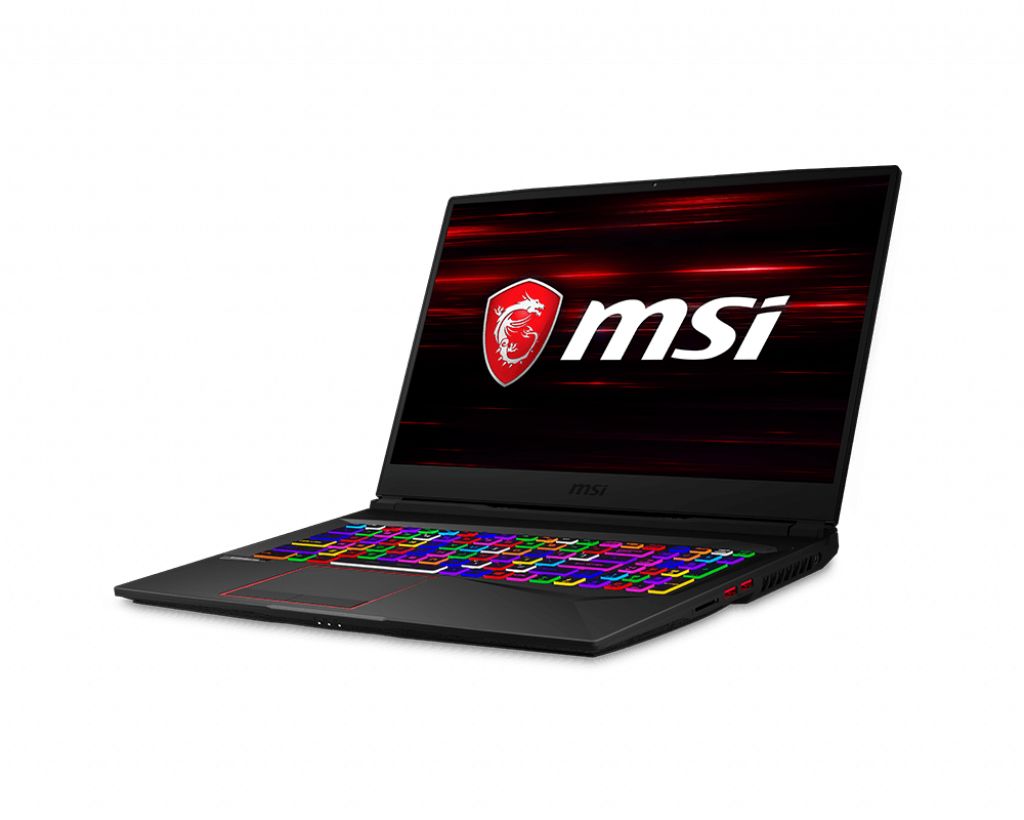
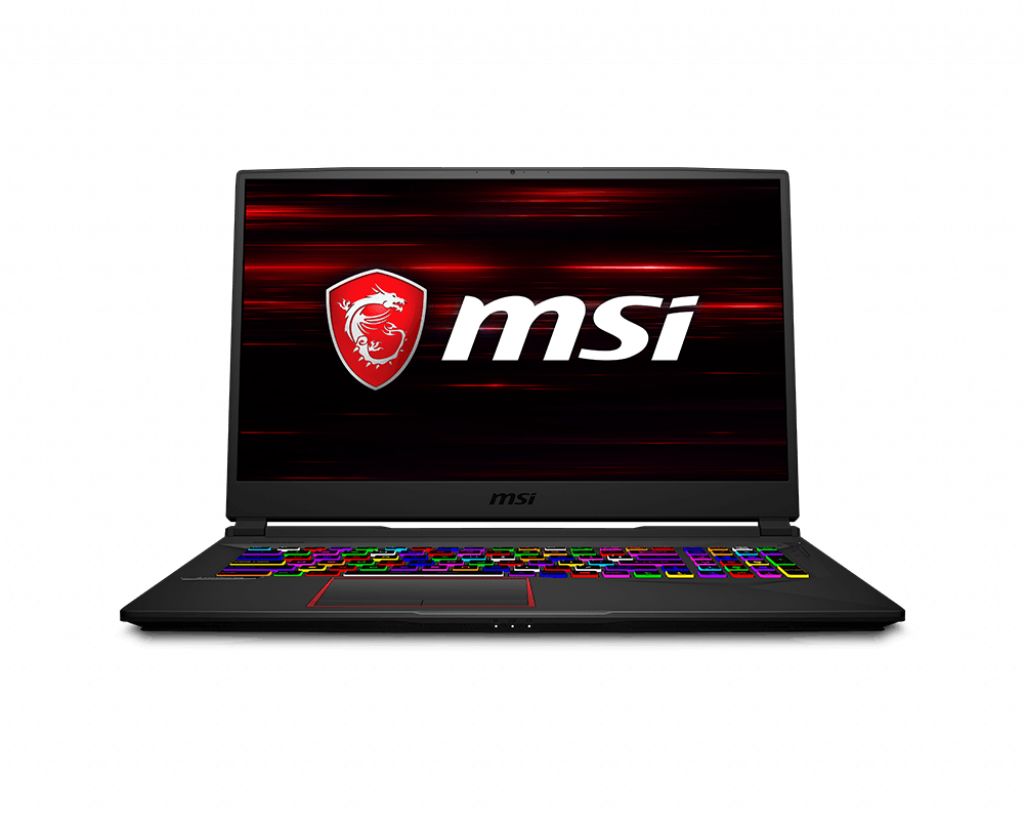
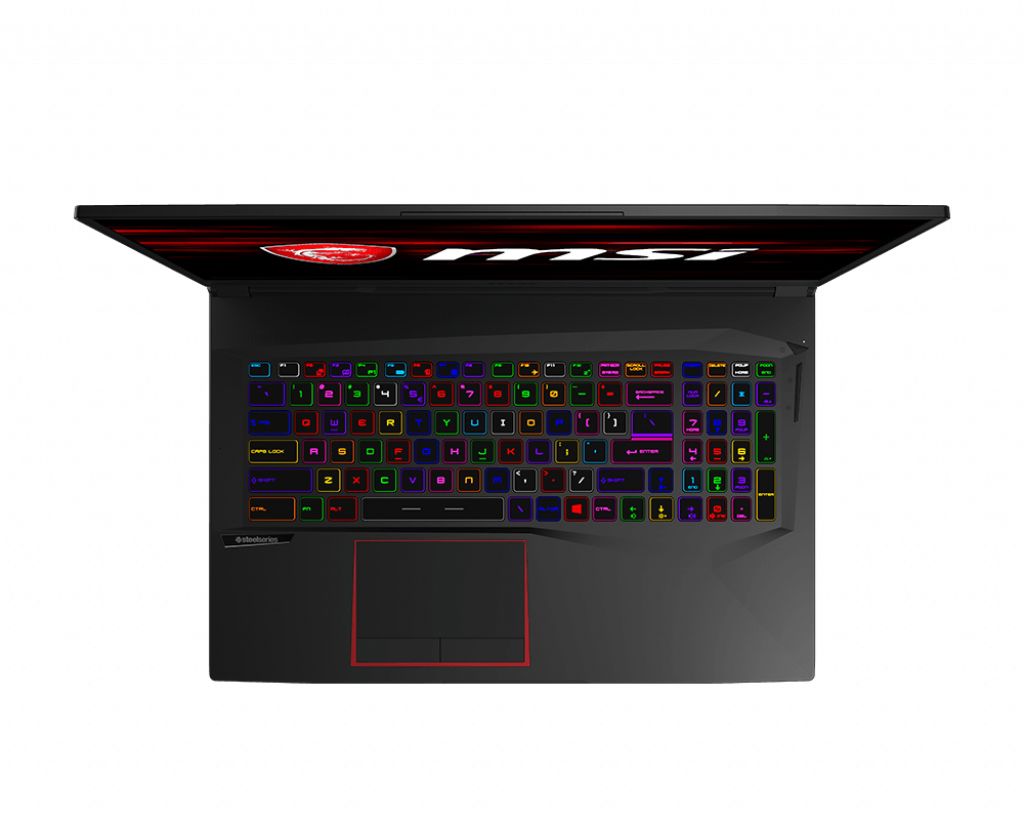
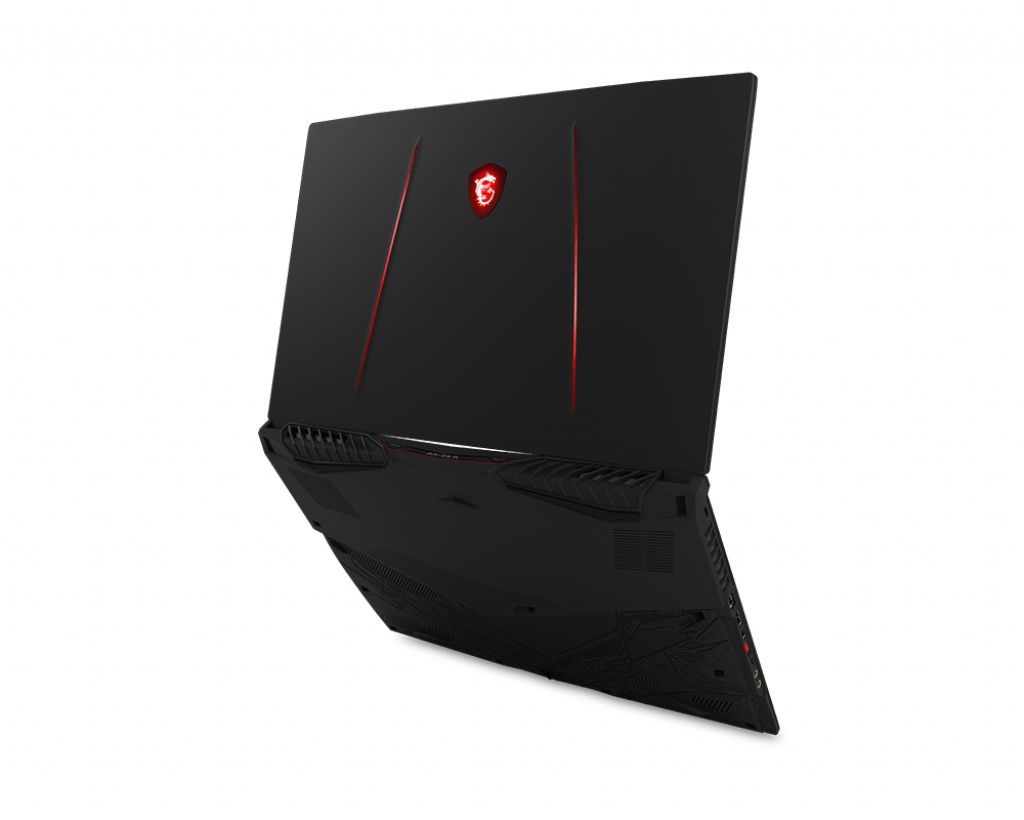
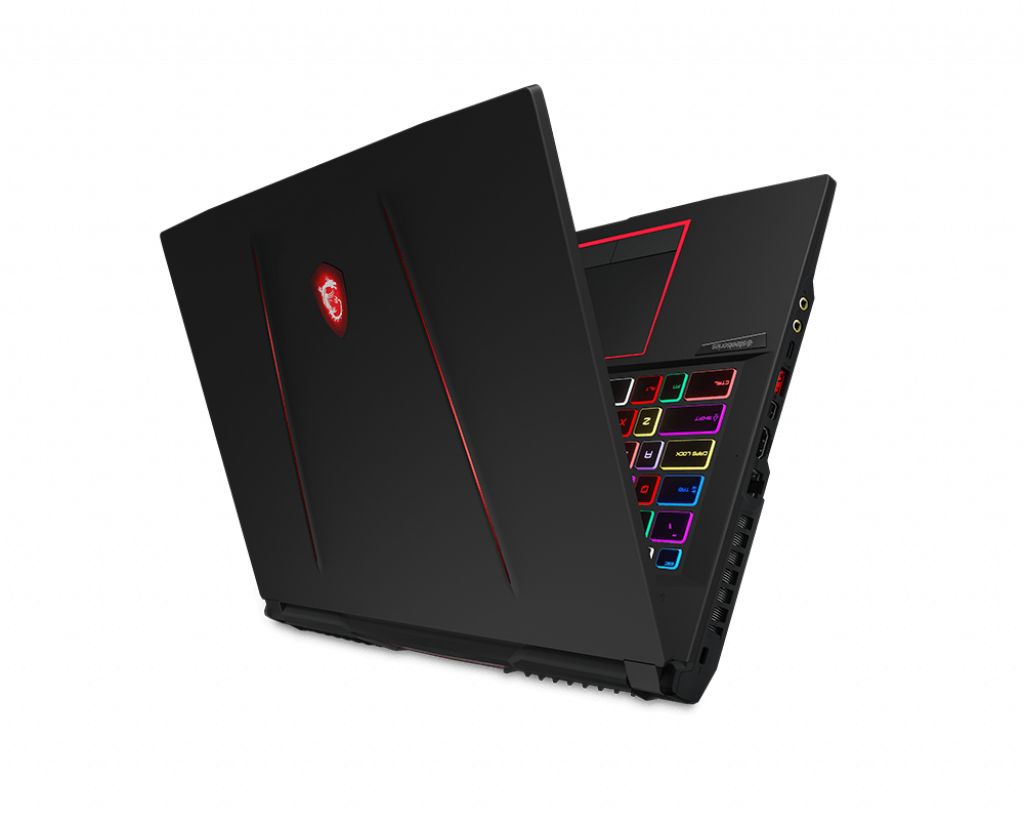
MSI GE75 8SF-044 Raider Gaming series laptop memory upgrade specifications include DDR4-SDRAM compatibility with 2x SO-DIMM slots supporting maximum RAM capacity of 32 GB total. Supported memory operates at 2666 MHz frequency. Compatible SO-DIMM modules provide upgrade options for expanding system memory capacity on the GE75 8SF-044 Raider platform.
Memory Upgrade Specifications
| Specification | Value |
|---|---|
| Memory slots | 2x SO-DIMM |
| Form factor | SO-DIMM |
| Memory type | DDR4-SDRAM |
| Frequency | 2666 MHz |
| Maximum RAM | 32 GB |
| Voltage | 1.2V |
| Number of pins | 260-pin |
| Interface | PC4 |
| PC Speed Rating | PC4-2666 (PC4-21328) |
| Bandwidth | 21.3 GB/s |
| Laptop Release date | 13 February 2019 |
Additional Notes
- The 32 GB maximum capacity reflects the chipset limitation of Intel 8th generation mobile platforms, preventing any meaningful expansion beyond dual-channel 16 GB modules.
- The 2666 MHz frequency operates at JEDEC standard rather than performance-tuned XMP profiles, eliminating automatic overclocking options in gaming workloads.
- SO-DIMM accessibility in the MSI GE75 8SF-044 Raider requires bottom panel removal, which may void warranty seals depending on regional service policies.
- DDR4-2666 represents the locked frequency ceiling for this configuration, as higher-speed modules will automatically downclock to match the supported specification.
- The dual-slot limitation enforces a capacity-versus-expandability trade-off, where installing 32 GB immediately exhausts all upgrade paths.
- Memory bandwidth peaks at 42.7 GB/s in dual-channel mode, creating potential bottlenecks for GPU-intensive rendering or high-refresh gaming above 144 Hz.
- Non-ECC unbuffered modules are required, as registered or error-correcting memory types remain incompatible with consumer mobile architectures.
- Mixing module capacities between slots maintains functionality but sacrifices flex mode efficiency, reducing effective bandwidth compared to matched pairs.
- Thermal considerations in gaming chassis designs may limit sustained memory performance during extended sessions, as SO-DIMM modules lack dedicated cooling.
- CAS latency specifications become critical at this frequency tier, where CL19 versus CL17 timings produce measurable differences in frame-time consistency.