MSI Gaming GE75 8SF-060FR Raider RAM upgrade specifications
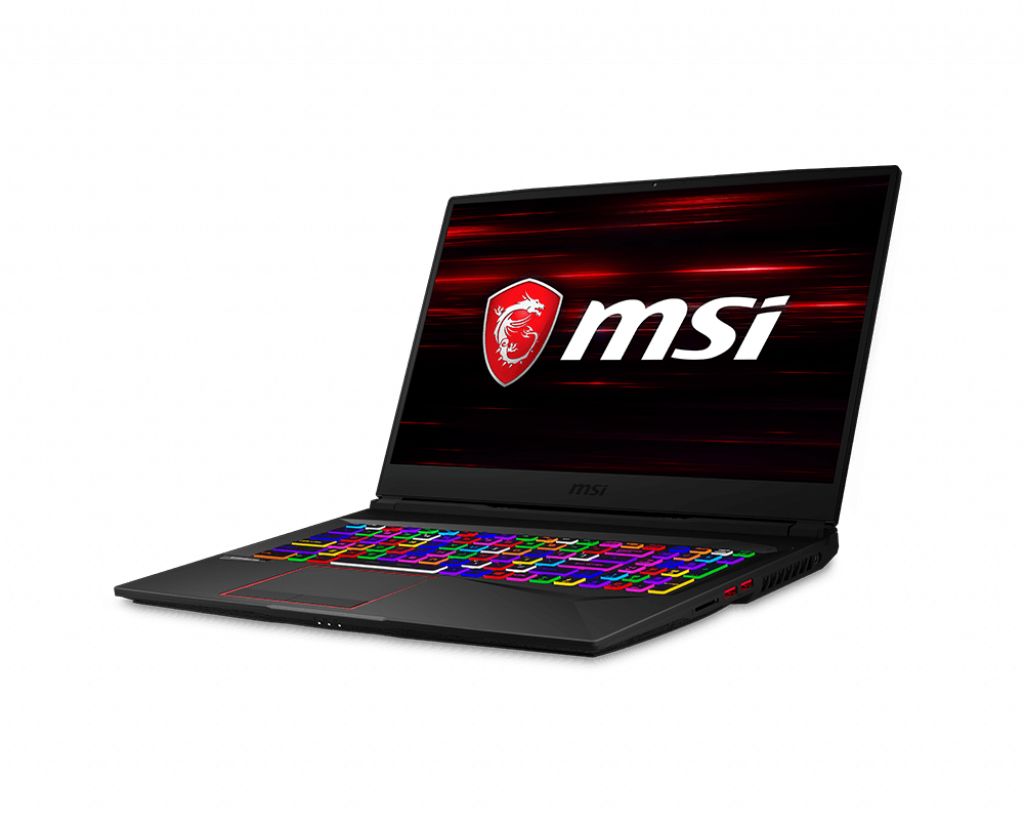
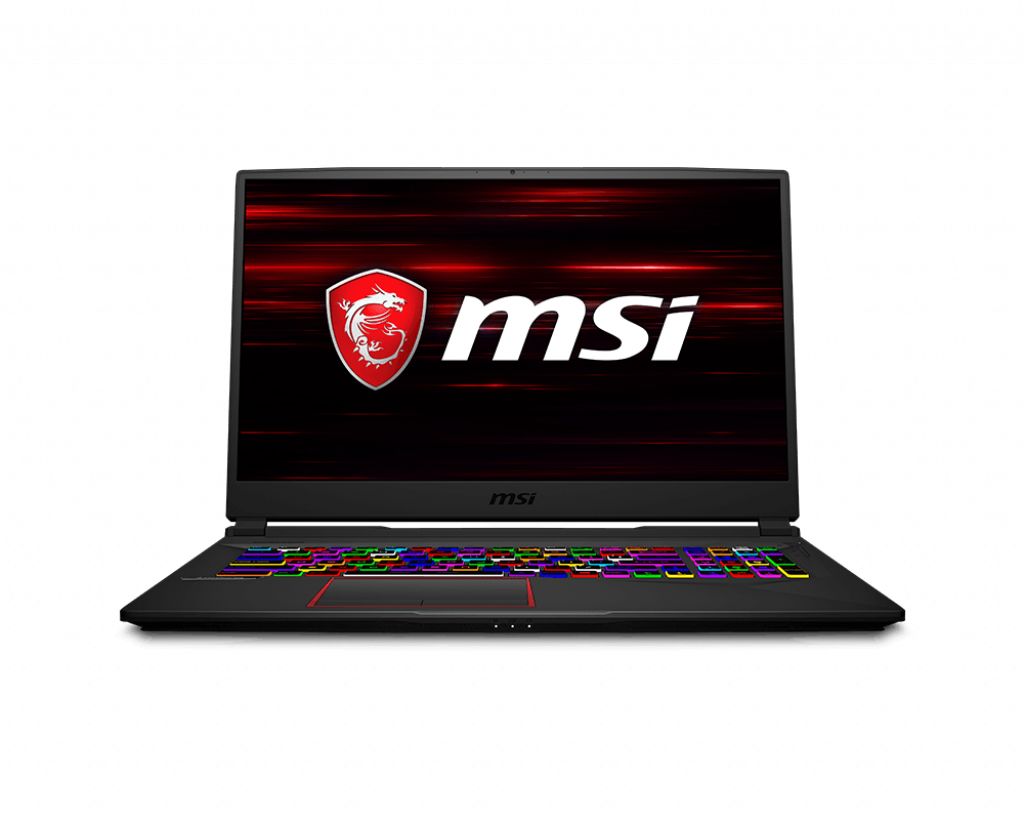
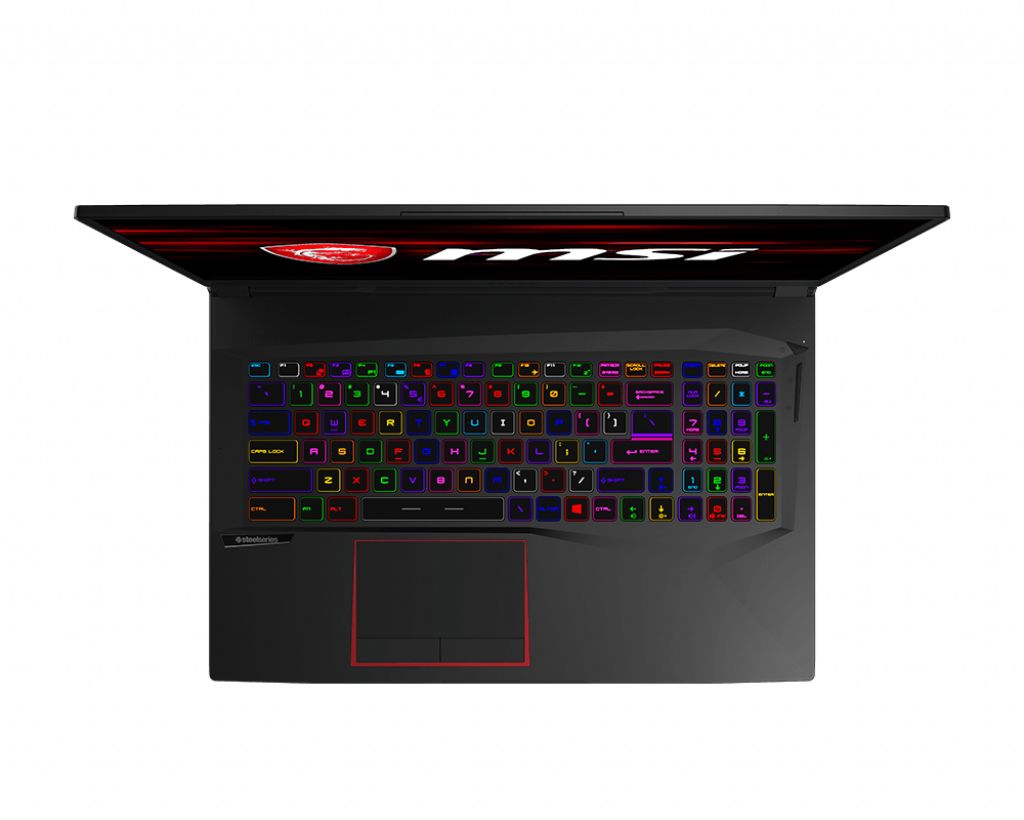
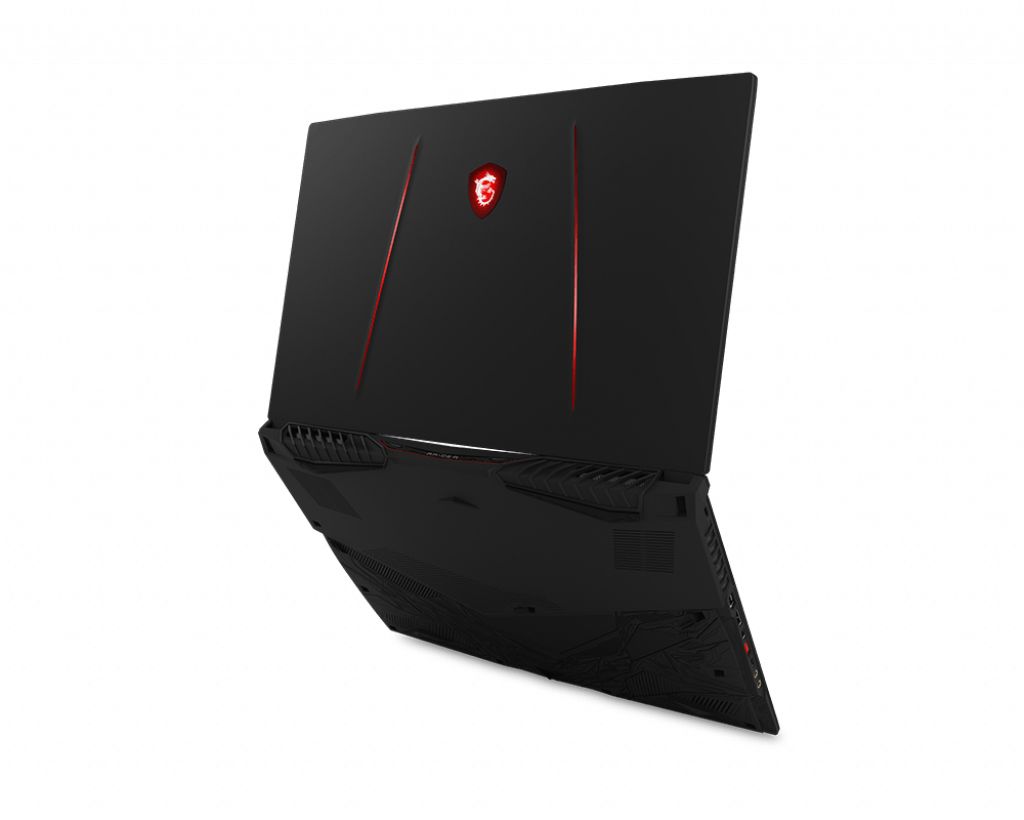
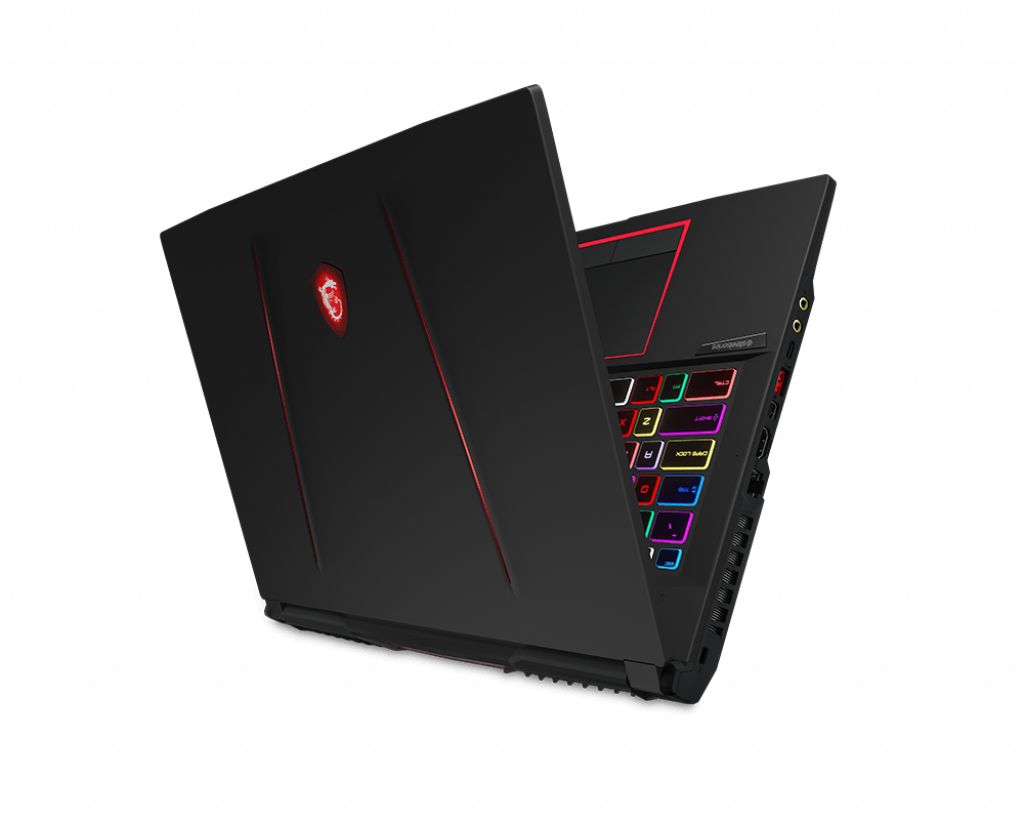
MSI GE75 8SF-060FR Raider gaming laptop supports DDR4-SDRAM memory upgrades through 2x SO-DIMM slots. Maximum RAM capacity reaches 32 GB total. Compatible memory operates at 2666 MHz frequency with SO-DIMM form factor specifications. Upgrade options allow users to expand system memory from factory configuration to achieve maximum specifications supported by the GE75 8SF-060FR Raider model.
Memory Upgrade Specifications
| Specification | Value |
|---|---|
| Memory slots | 2x SO-DIMM |
| Form factor | SO-DIMM |
| Memory type | DDR4-SDRAM |
| Frequency | 2666 MHz |
| Maximum RAM | 32 GB |
| Voltage | 1.2V |
| Number of pins | 260-pin |
| Interface | PC4 |
| PC Speed Rating | PC4-2666 (PC4-21328) |
| Bandwidth | 21.3 GB/s |
| Laptop Release date | 16 May 2019 |
Additional Notes
- The MSI GE75 8SF-060FR Raider chipset architecture enforces a 32 GB ceiling regardless of module availability, preventing adoption of higher-capacity configurations common in workstation-class systems.
- DDR4-2666 represents a generational midpoint specification, offering lower latency than DDR3 while consuming approximately 15% less power than equivalent DDR4-3200 configurations.
- Dual-channel population enables aggregate theoretical bandwidth of 42.7 GB/s, critical for GPU-intensive workloads where system memory supplements dedicated VRAM during texture streaming operations.
- SO-DIMM physical constraints limit heat dissipation surface area compared to full-size DIMMs, making passive cooling dependency a factor during sustained memory-intensive tasks.
- Single-module operation reduces available bandwidth by 50%, creating potential bottlenecks in applications that saturate memory channels such as video encoding or large dataset processing.
- JEDEC-standard 2666 MHz modules ensure broad compatibility, though XMP-profile modules rated at higher frequencies will downclock to match the platform's validated speed ceiling.
- Warranty preservation requires non-destructive access to memory compartments, typically isolated from sealed sections containing soldered components in this chassis generation.
- Mixed-capacity configurations maintain dual-channel operation only up to the capacity of the smaller module, with excess capacity on the larger module reverting to single-channel mode.
- Timing variations between manufacturers at identical frequency ratings can introduce stability issues, making matched-pair kits from single production batches preferable for reliability.
- The 260-pin SO-DIMM specification prohibits use of desktop 288-pin modules, eliminating cross-platform component reuse between laptop and tower systems.