MSI Gaming GE75 8SF-068AU Raider RAM upgrade specifications
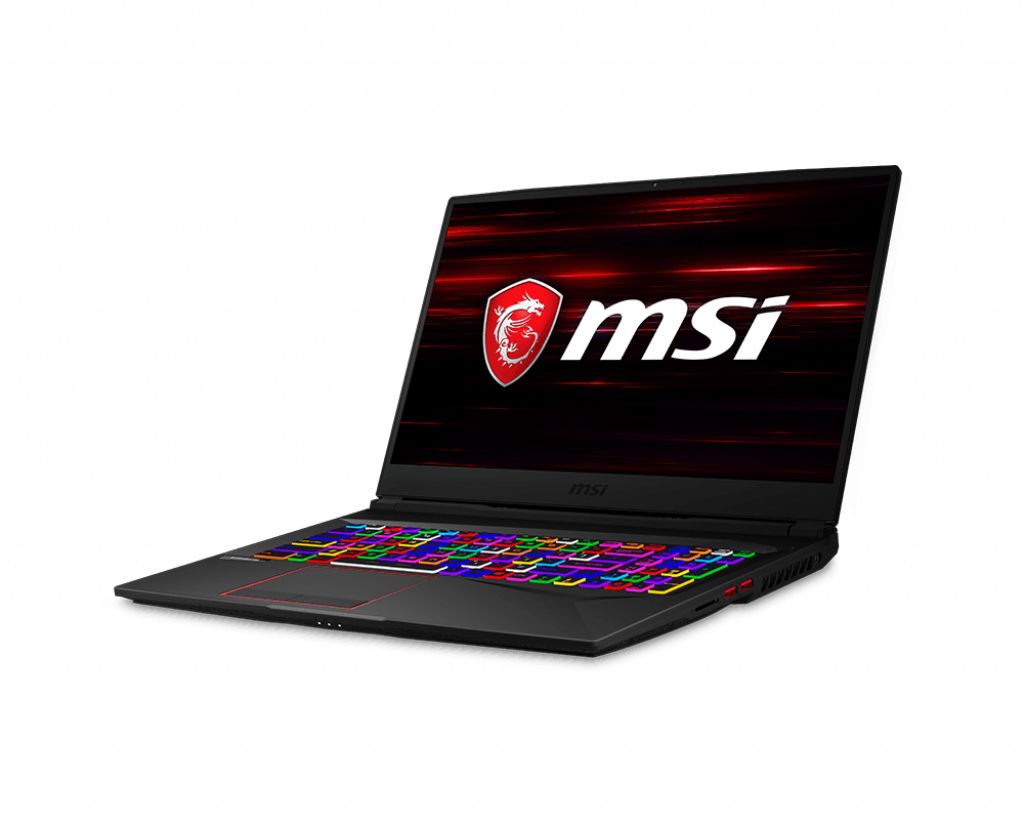
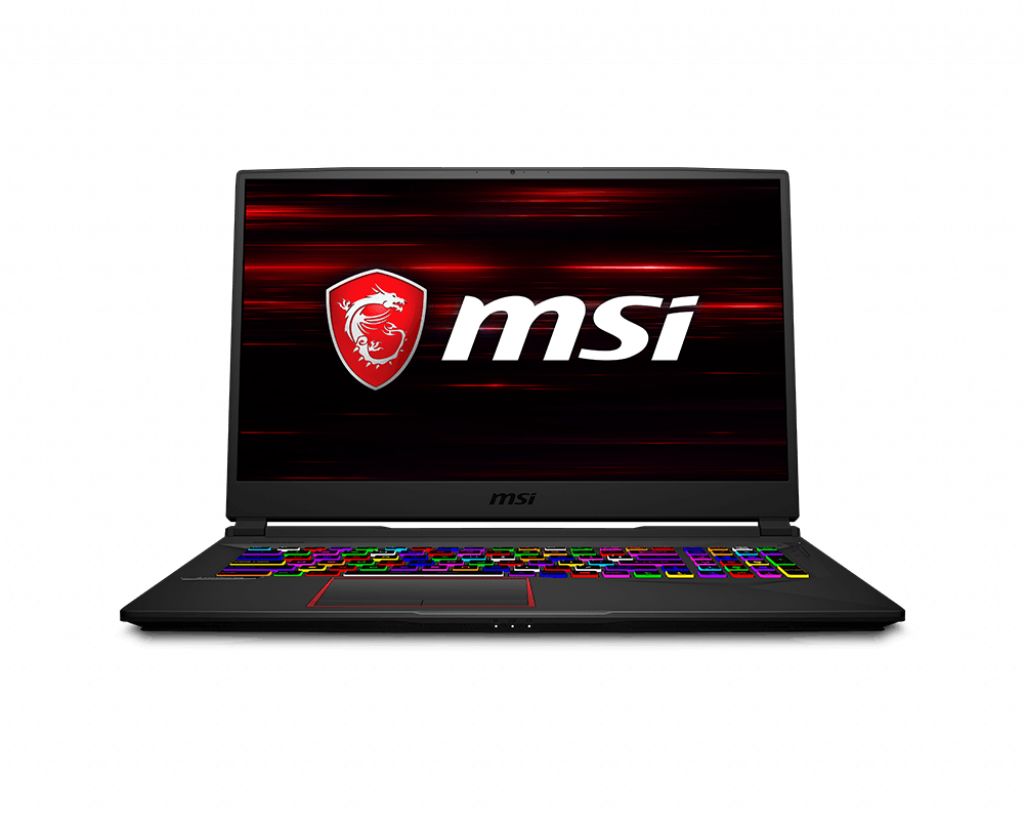
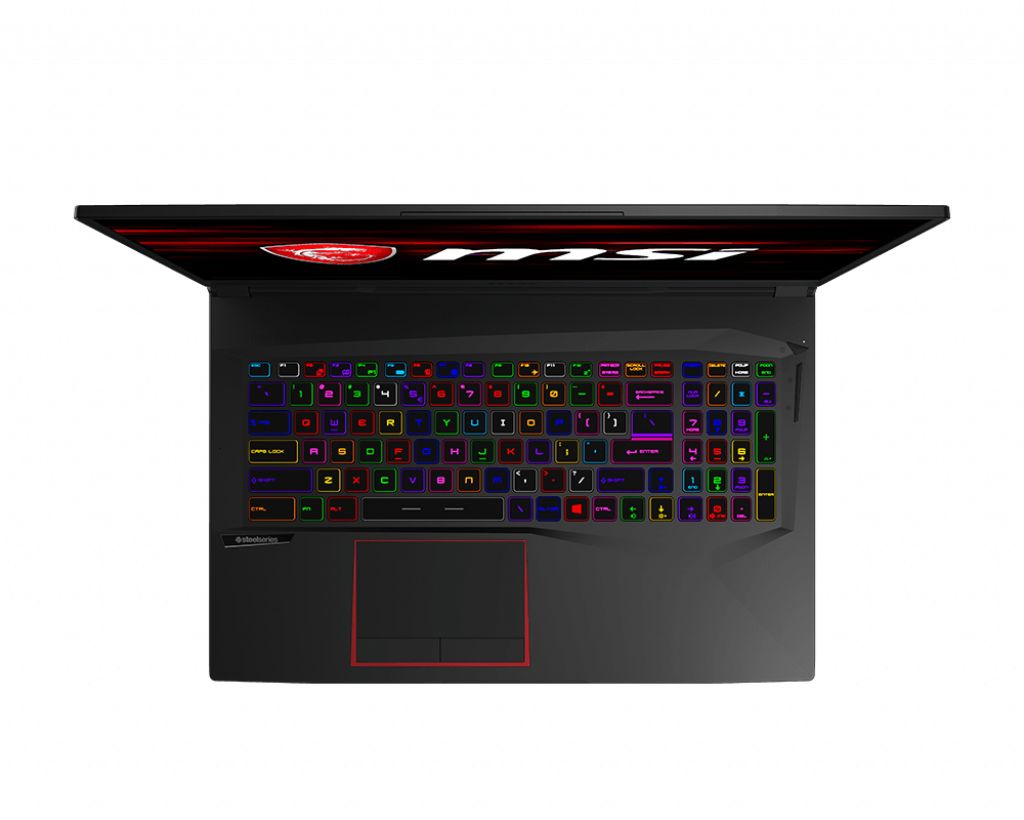
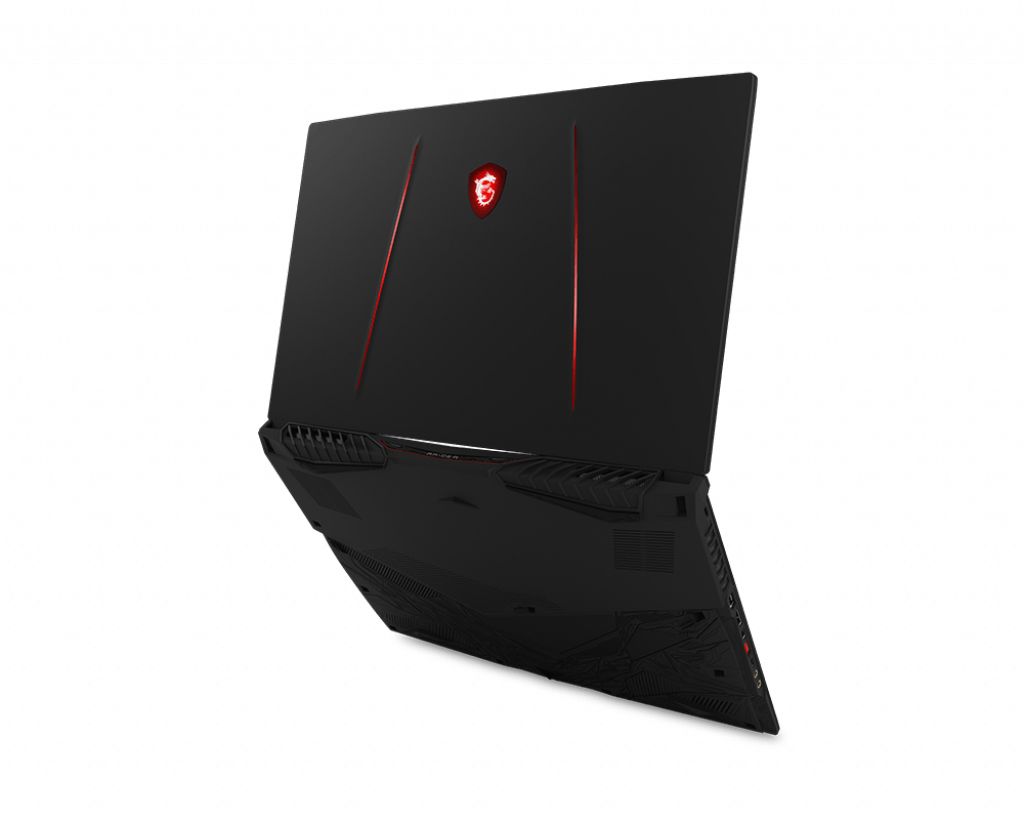
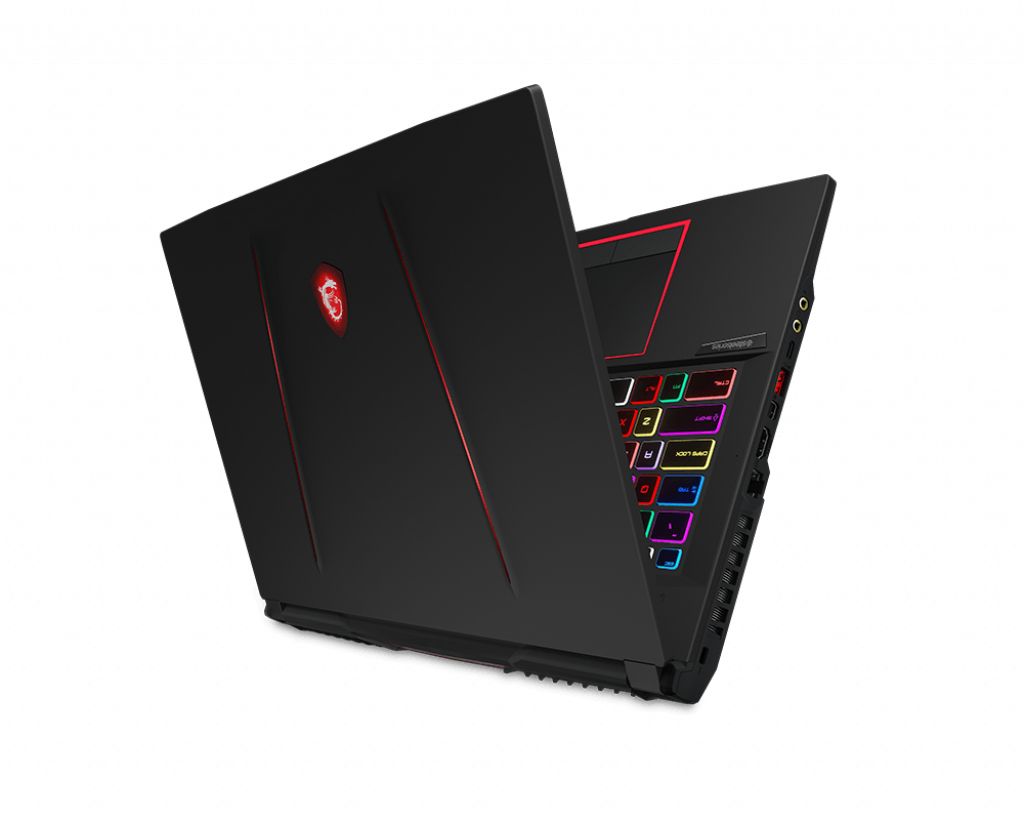
The MSI GE75 8SF-068AU Raider gaming laptop features two SO-DIMM slots supporting DDR4-SDRAM memory modules. The system accommodates a maximum RAM capacity of 32 GB total, with compatible memory operating at 2666 MHz frequency. RAM upgrade specifications indicate support for SO-DIMM form factor modules, allowing users to expand memory capacity by replacing or supplementing existing modules within the designated memory slots.
Memory Upgrade Specifications
| Specification | Value |
|---|---|
| Memory slots | 2x SO-DIMM |
| Form factor | SO-DIMM |
| Memory type | DDR4-SDRAM |
| Frequency | 2666 MHz |
| Maximum RAM | 32 GB |
| Voltage | 1.2V |
| Number of pins | 260-pin |
| Interface | PC4 |
| PC Speed Rating | PC4-2666 (PC4-21328) |
| Bandwidth | 21.3 GB/s |
| Laptop Release date | 30 September 2019 |
Additional Notes
- The MSI GE75 8SF-068AU Raider architecture imposes a 16 GB per slot ceiling, preventing installation of 32 GB modules even if they match the DDR4 SO-DIMM form factor.
- Mixing modules with different densities across the 2 slots will force both to operate in single-channel mode, effectively halving memory bandwidth to the GPU and CPU.
- Installing RAM rated above 2666 MHz will not yield performance gains, as the memory controller will downclock faster modules to the supported frequency.
- The SO-DIMM slot positioning typically requires complete bottom panel removal, which may void warranty seals on certain regional models.
- Non-ECC unbuffered modules are mandatory; registered or ECC variants will trigger POST failures despite physical compatibility.
- Asymmetric configurations such as 8 GB plus 16 GB will technically function but disable dual-channel interleaving for the non-overlapping capacity segment.
- Voltage specifications must remain at standard 1.2V DDR4 levels, as low-voltage or overclocking-oriented modules may cause thermal throttling in the confined laptop chassis.
- Third-party RAM lacking proper SPD profiles can prevent the system from training memory timings correctly, resulting in boot loops or fallback to conservative JEDEC speeds below 2666 MHz.
- Upgrading from the factory configuration to maximum capacity requires verifying both modules support identical CAS latency values to avoid stability issues under sustained workloads.
- The chipset lacks support for XMP profiles, rendering enthusiast-grade modules with advertised overclocking features functionally identical to standard-rated alternatives at this frequency.