MSI Gaming GE75 8SF-074UK Raider RAM upgrade specifications


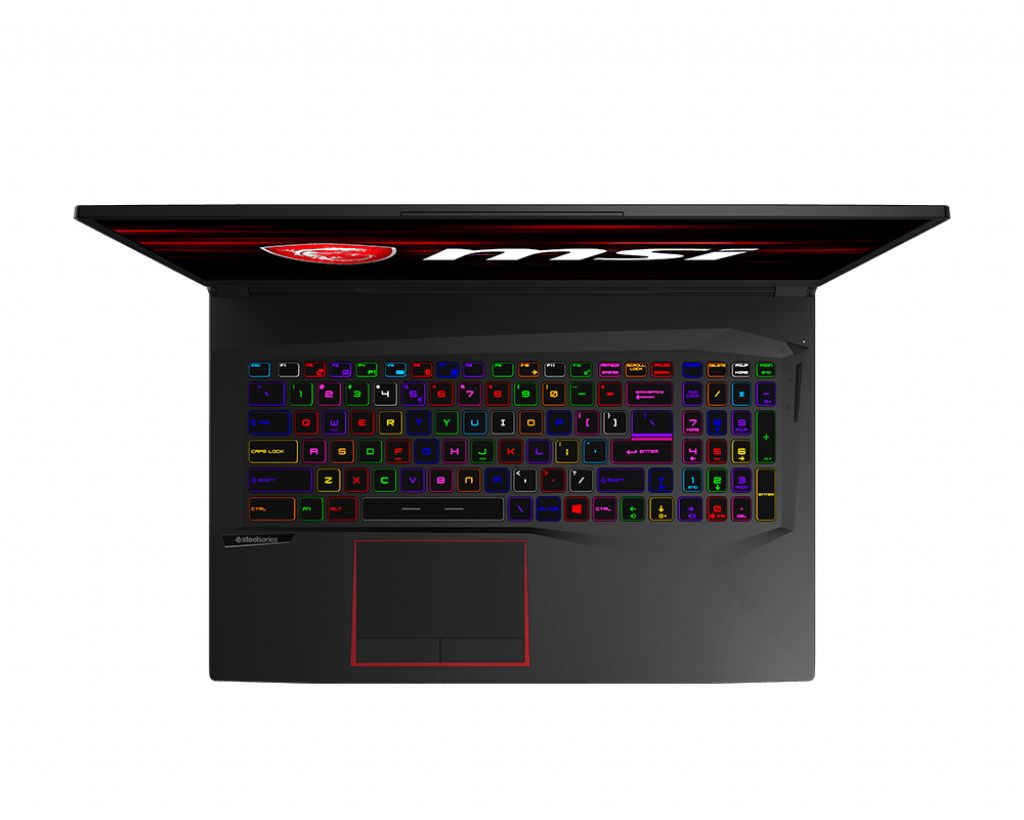

MSI GE75 8SF-074UK Raider gaming laptop memory upgrade specifications. Upgrade compatible with DDR4-SDRAM memory modules operating at 2666 MHz frequency. Laptop contains 2x SO-DIMM slots for RAM installation. Maximum supported memory capacity reaches 32 GB total. SO-DIMM form factor required for compatible upgrade modules. Gaming series GE75 8SF-074UK Raider model specifications enable straightforward memory expansion through dual slot configuration and DDR4 technology support.
Memory Upgrade Specifications
| Specification | Value |
|---|---|
| Memory slots | 2x SO-DIMM |
| Form factor | SO-DIMM |
| Memory type | DDR4-SDRAM |
| Frequency | 2666 MHz |
| Maximum RAM | 32 GB |
| Voltage | 1.2V |
| Number of pins | 260-pin |
| Interface | PC4 |
| PC Speed Rating | PC4-2666 (PC4-21328) |
| Bandwidth | 21.3 GB/s |
| Laptop Release date | 08 January 2019 |
Additional Notes
- The MSI GE75 8SF-074UK Raider supports only 2 memory slots, meaning maximum capacity expansion caps at 32 GB total. Upgrading beyond this threshold requires complete module replacement rather than addition.
- DDR4-2666 MHz operates below contemporary 2019-2020 gaming standards (3200 MHz prevalent in competitive titles). Memory bandwidth constraints at 21.3 GB/s may contribute to frame rate limitations in CPU-intensive scenarios, particularly with high-refresh-rate displays.
- SO-DIMM form factor restricts compatibility to laptop-grade modules only. Desktop DDR4 UDIMM memory remains physically incompatible and cannot be adapted through passive converters.
- Single-channel configuration occurs if only 1 slot contains a module, halving effective bandwidth to approximately 10.6 GB/s. Dual-channel operation requires identical capacity modules in both slots to function optimally.
- Warranty typically permits end-user memory installation without voiding coverage. Pre-upgrade verification of existing module specifications prevents incompatible pairing and ensures dual-channel activation.
- Memory frequency specification (2666 MHz) represents the validated maximum. Installing higher-frequency modules (3200 MHz or above) will downclock to 2666 MHz, negating performance advantages and wasting investment.