MSI Gaming GE75 8SF-208RU Raider RAM upgrade specifications


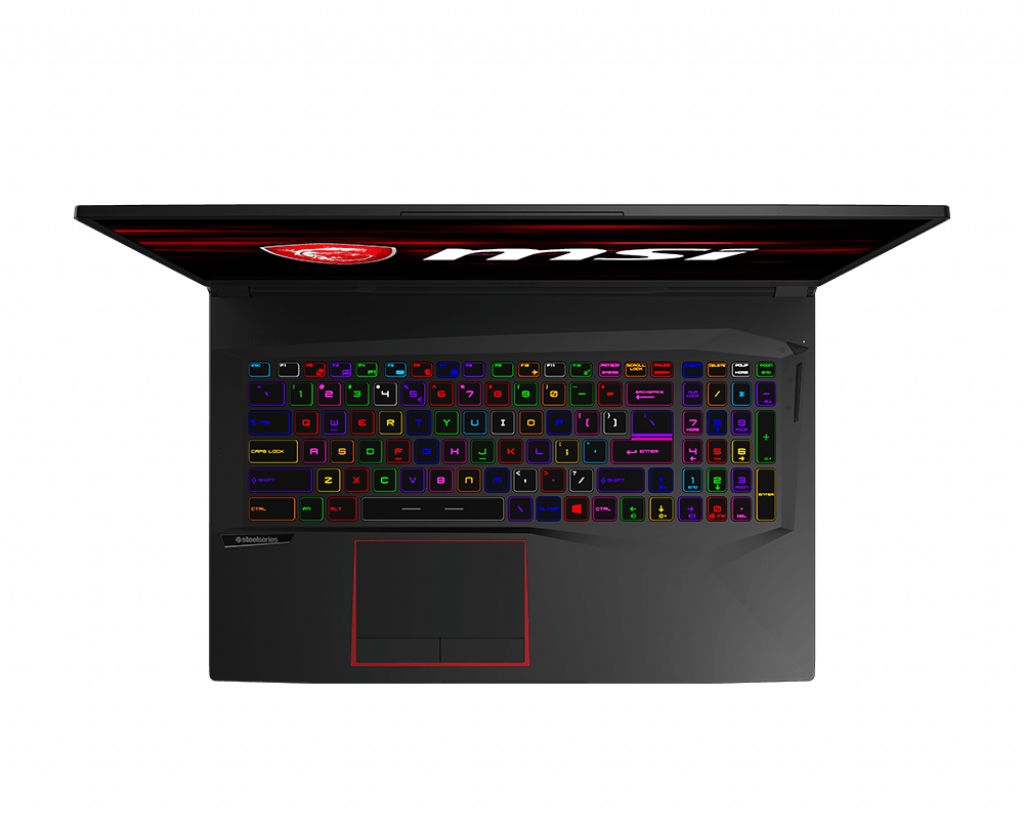
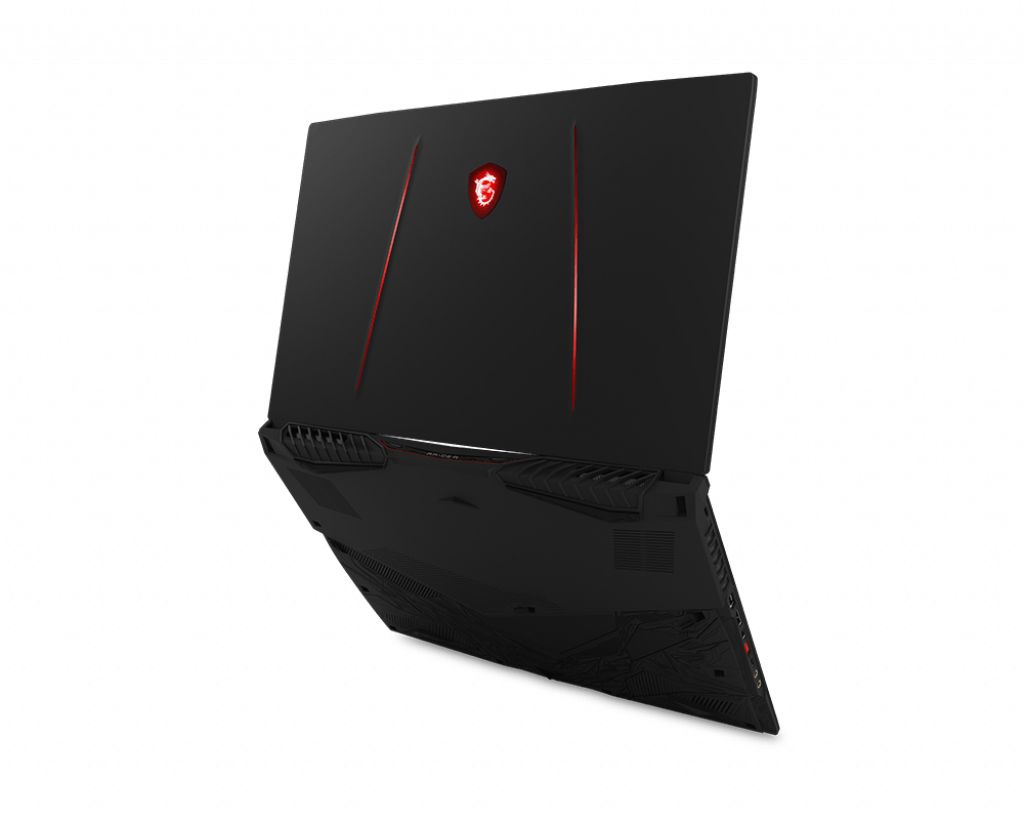

The MSI GE75 8SF-208RU Raider gaming laptop features DDR4-SDRAM memory upgrade specifications with two SO-DIMM slots supporting maximum capacity of 32 GB total RAM. Compatible memory modules operate at 2666 MHz frequency. The GE series Raider model accepts standard SO-DIMM form factor modules for memory expansion. Upgrade specifications enable configuration of dual-channel memory architecture with compatible DDR4 components meeting manufacturer compatibility requirements.
Memory Upgrade Specifications
| Specification | Value |
|---|---|
| Memory slots | 2x SO-DIMM |
| Form factor | SO-DIMM |
| Memory type | DDR4-SDRAM |
| Frequency | 2666 MHz |
| Maximum RAM | 32 GB |
| Voltage | 1.2V |
| Number of pins | 260-pin |
| Interface | PC4 |
| PC Speed Rating | PC4-2666 (PC4-21328) |
| Bandwidth | 21.3 GB/s |
| Laptop Release date | 10 July 2019 |
Additional Notes
- The MSI GE75 8SF-208RU Raider dual-channel architecture requires matched memory modules in both slots to maintain optimal bandwidth for the discrete GPU and CPU-intensive gaming workloads.
- Memory configurations exceeding the 32 GB ceiling will trigger BIOS rejection or system instability, regardless of module compatibility with the SO-DIMM interface.
- Mixing 2666 MHz modules with higher-frequency RAM will force all modules to downclock to the lowest common speed, eliminating any performance advantage from premium components.
- Single-module installations will halve theoretical memory bandwidth by disabling dual-channel operation, creating potential frame rate bottlenecks in memory-sensitive gaming scenarios.
- DDR4 SO-DIMM modules rated below 2666 MHz may function but will underutilize the platform's supported memory controller specifications.
- The 2-slot configuration prevents incremental upgrades beyond initial dual-module installation, requiring complete replacement of existing memory to increase total capacity.
- Non-standard SO-DIMM heights above 30 mm may create physical interference with keyboard assemblies or thermal management components in this chassis design.
- Third-party memory installations preserve manufacturer warranty coverage under most regional consumer protection laws, unlike modifications to soldered components.
- Verification of DDR4 voltage specifications at 1.2V prevents compatibility issues with modules designed for server or overclocking applications requiring non-standard power delivery.
- Asynchronous memory speeds between dual-channel pairs cause system clock synchronization overhead, measurable in latency-sensitive applications despite successful POST completion.