MSI Gaming GE75 8SF-220FR Raider RAM upgrade specifications
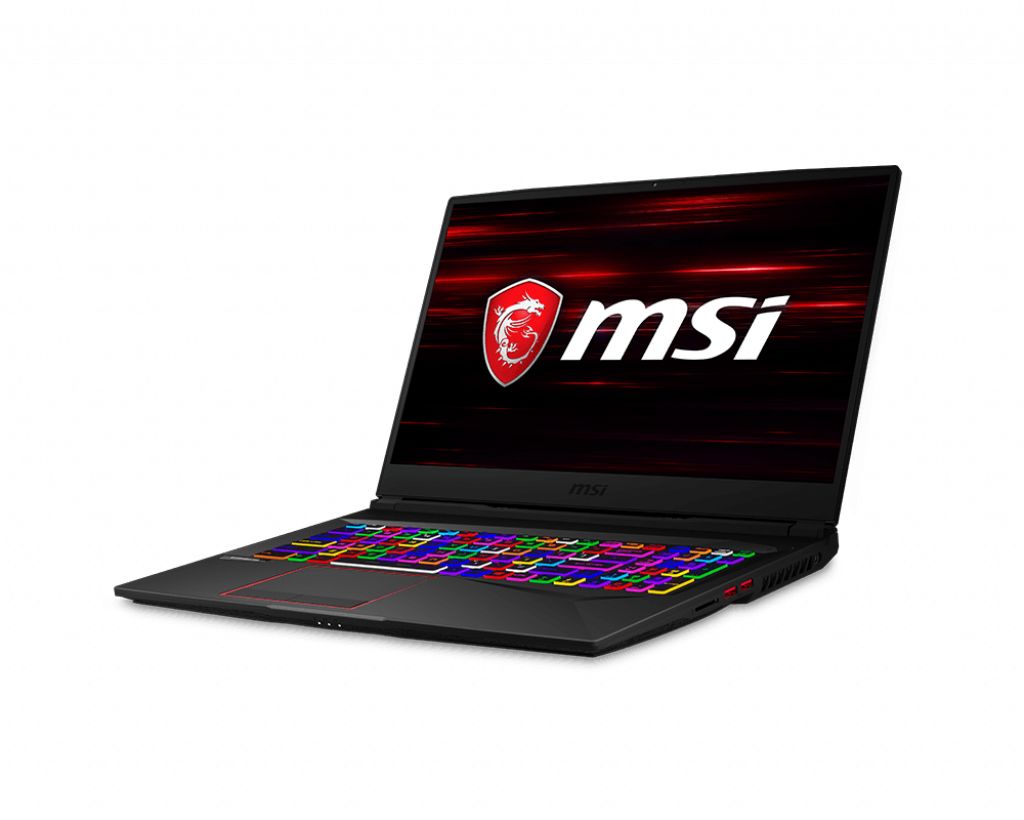
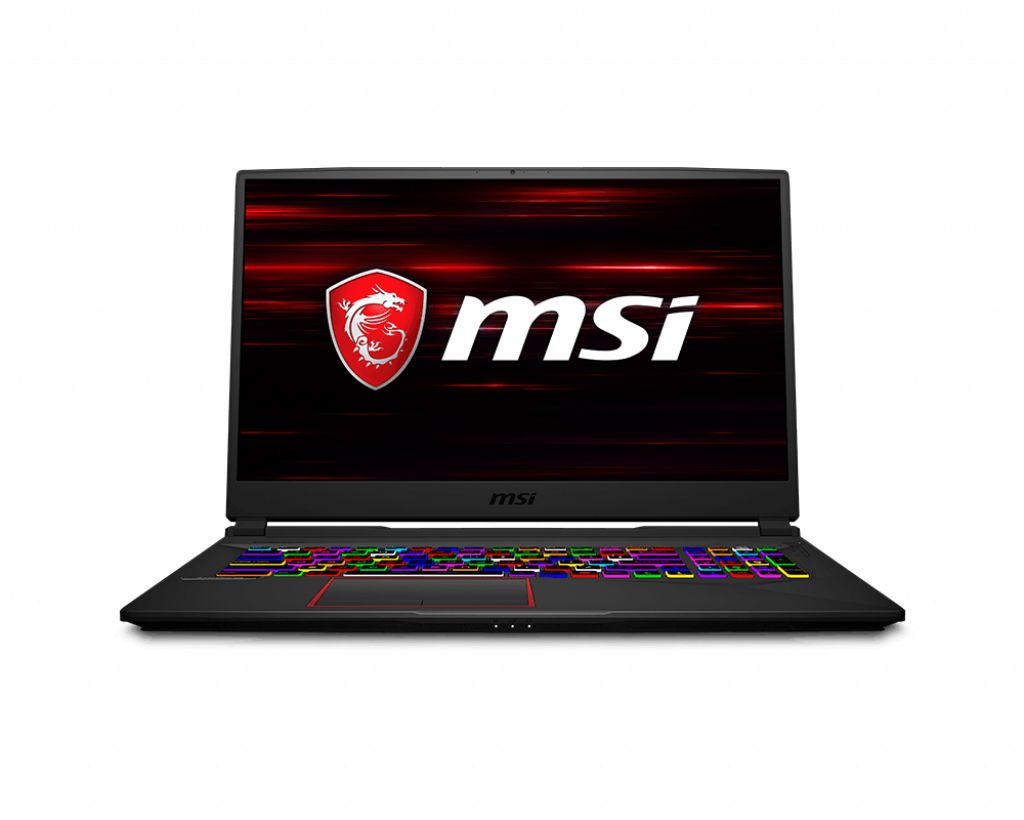
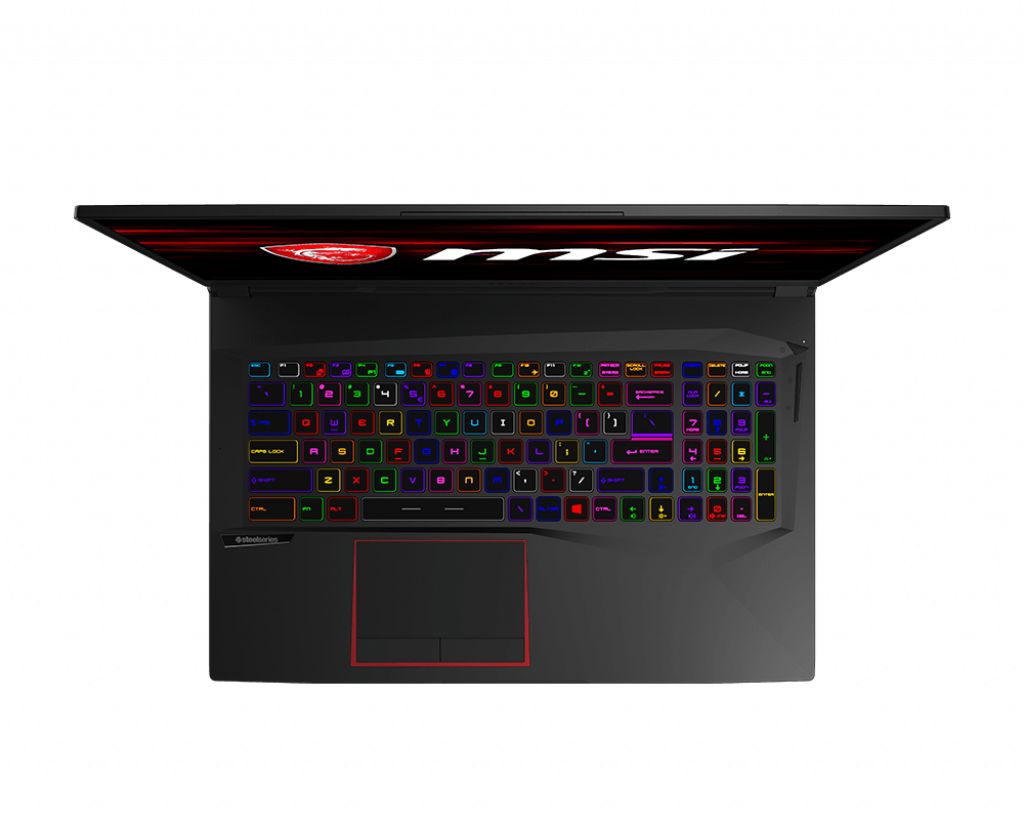
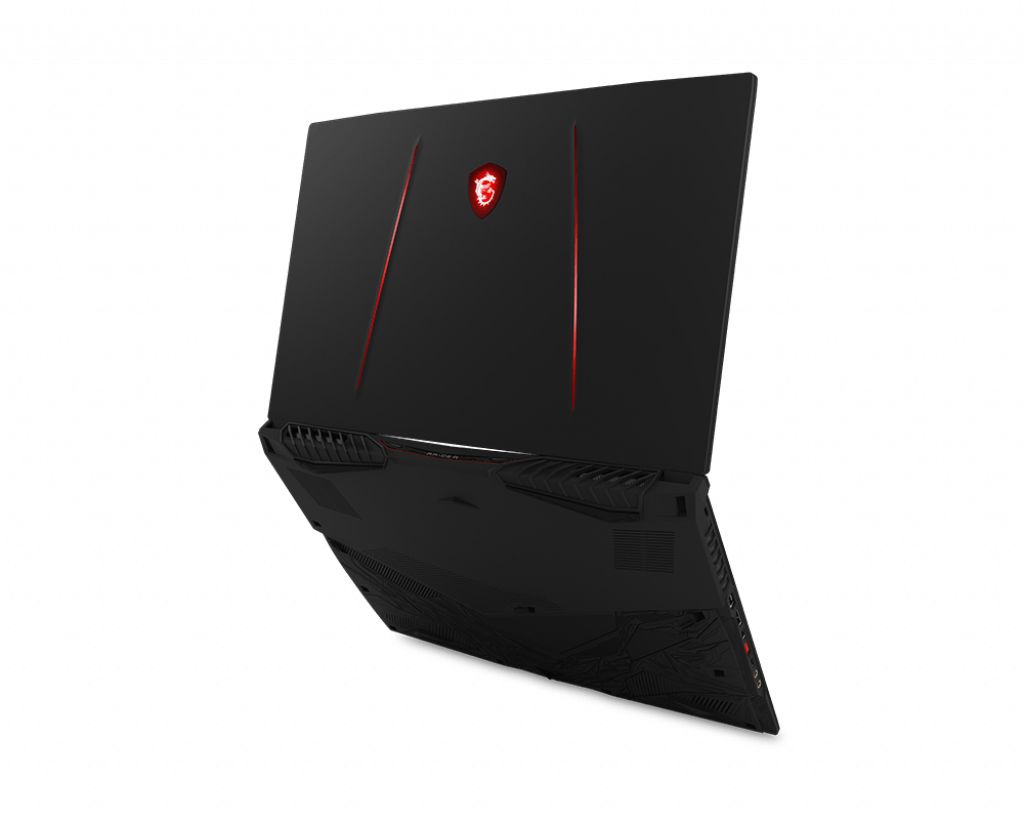
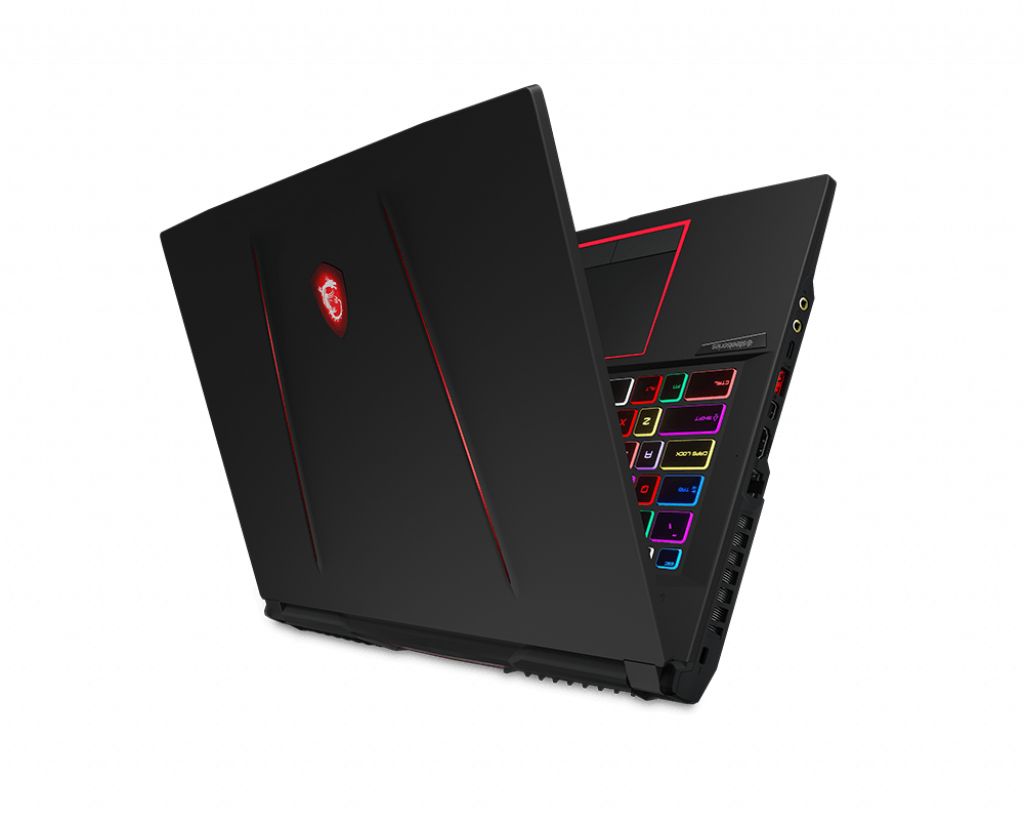
The MSI GE75 8SF-220FR Raider Gaming series laptop features two SO-DIMM slots for memory upgrades. Maximum RAM capacity reaches 32 GB total. Compatible memory modules utilize DDR4-SDRAM specifications operating at 2666 MHz frequency. The upgrade slots accommodate standard SO-DIMM form factor memory modules. Current specifications support DDR4 technology for enhanced multitasking and performance capabilities in gaming applications.
Memory Upgrade Specifications
| Specification | Value |
|---|---|
| Memory slots | 2x SO-DIMM |
| Form factor | SO-DIMM |
| Memory type | DDR4-SDRAM |
| Frequency | 2666 MHz |
| Maximum RAM | 32 GB |
| Voltage | 1.2V |
| Number of pins | 260-pin |
| Interface | PC4 |
| PC Speed Rating | PC4-2666 (PC4-21328) |
| Bandwidth | 21.3 GB/s |
| Laptop Release date | 11 March 2019 |
Additional Notes
- The MSI GE75 8SF-220FR Raider contains 2 SO-DIMM slots with a combined ceiling of 32 GB, meaning each slot accepts a maximum 16 GB module to reach the upper limit.
- DDR4-2666 frequency represents a first-generation mobile standard that lacks headroom for modern workloads; applications compiled for DDR4-3200 or higher will operate at reduced bandwidth, creating a 12-17 percent throughput penalty compared to contemporary gaming laptops.
- SO-DIMM modules are not interchangeable with desktop DIMM form factors; sourcing compatible 16 GB DDR4-2666 SO-DIMM replacement sticks requires verification against the specific SO-DIMM profile and notch configuration to avoid physical insertion failures.
- Pairing mismatched memory speeds within the 2 slots will force both modules to operate at the slower frequency; mixing a DDR4-2666 original module with a faster DDR4-3200 upgrade automatically throttles both to 2666 MHz.
- The 2-slot architecture eliminates upgrade flexibility; after installing 2x16 GB modules, no available slots remain for future expansion without removing existing memory entirely.
- Full capacity upgrades from stock configurations typically void heat-related warranty provisions if aftermarket thermal pads or adhesive compounds are damaged during SO-DIMM extraction; accessing the upgrade pathway may require CMOS battery disconnection, introducing additional procedural risk.