MSI Gaming GE75 8SG-042 Raider RAM upgrade specifications
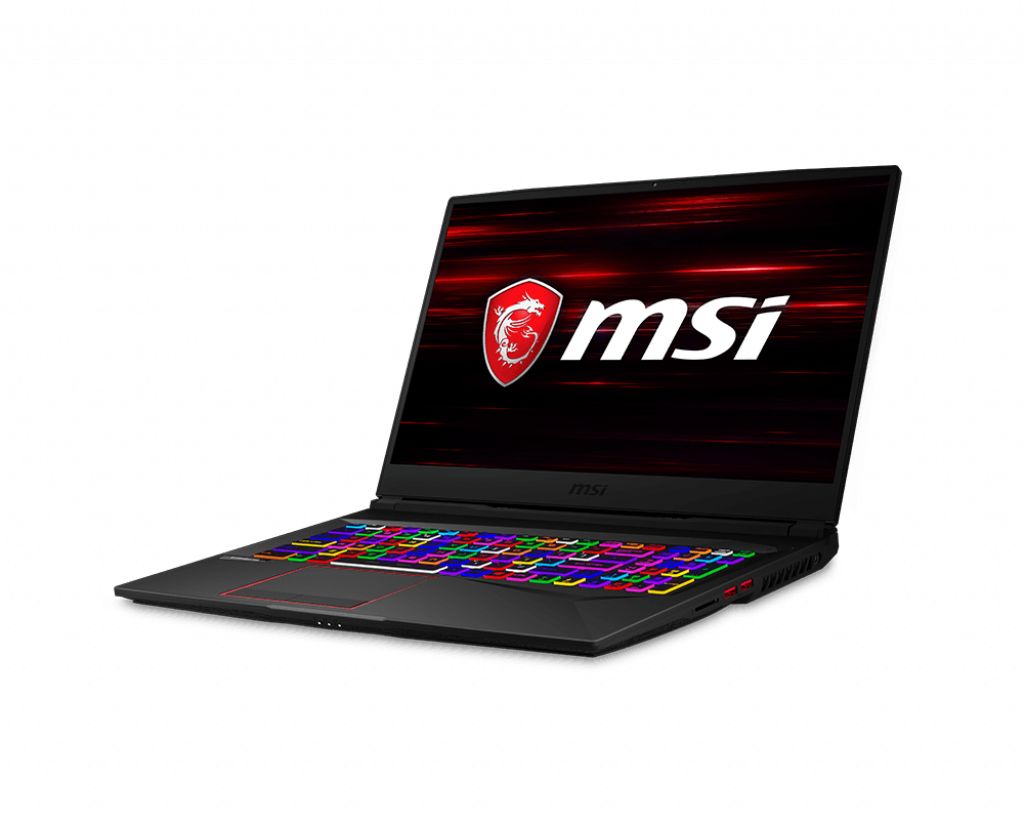
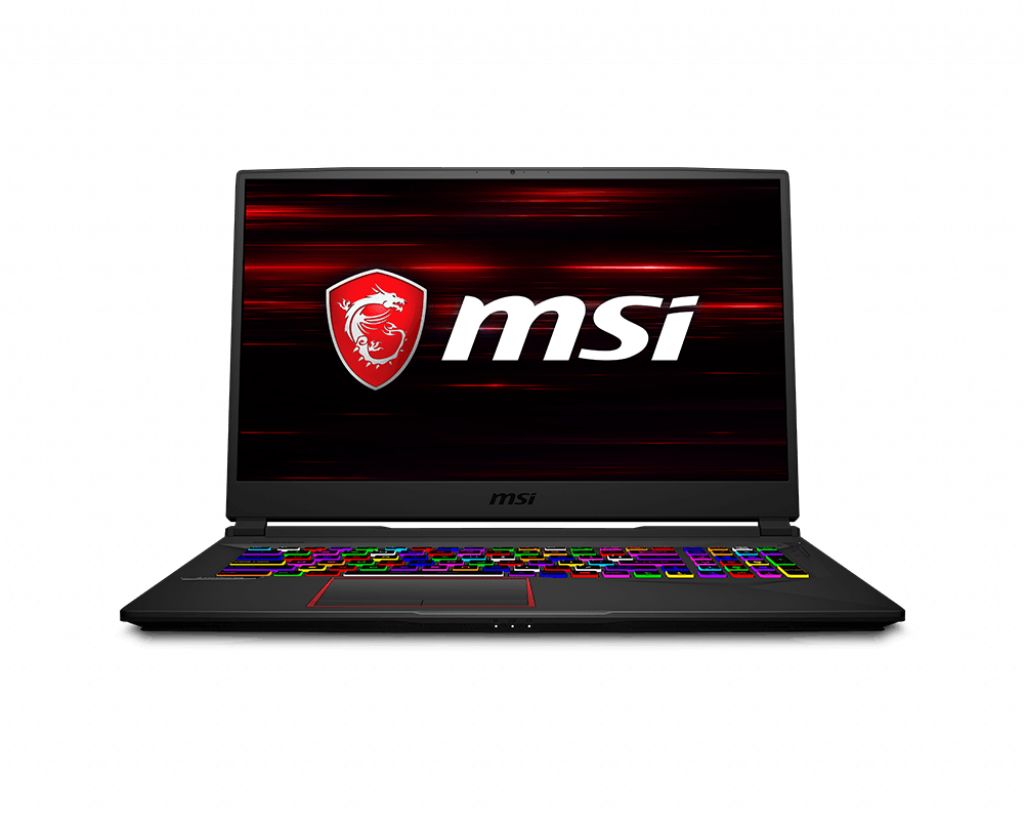
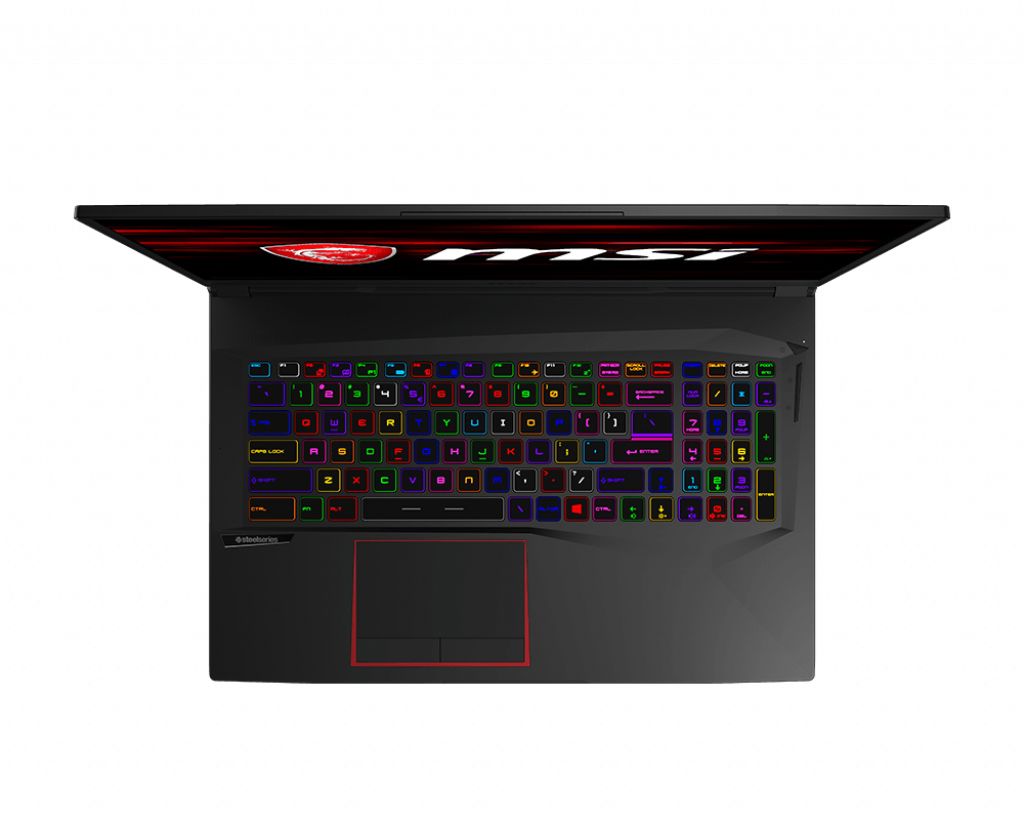
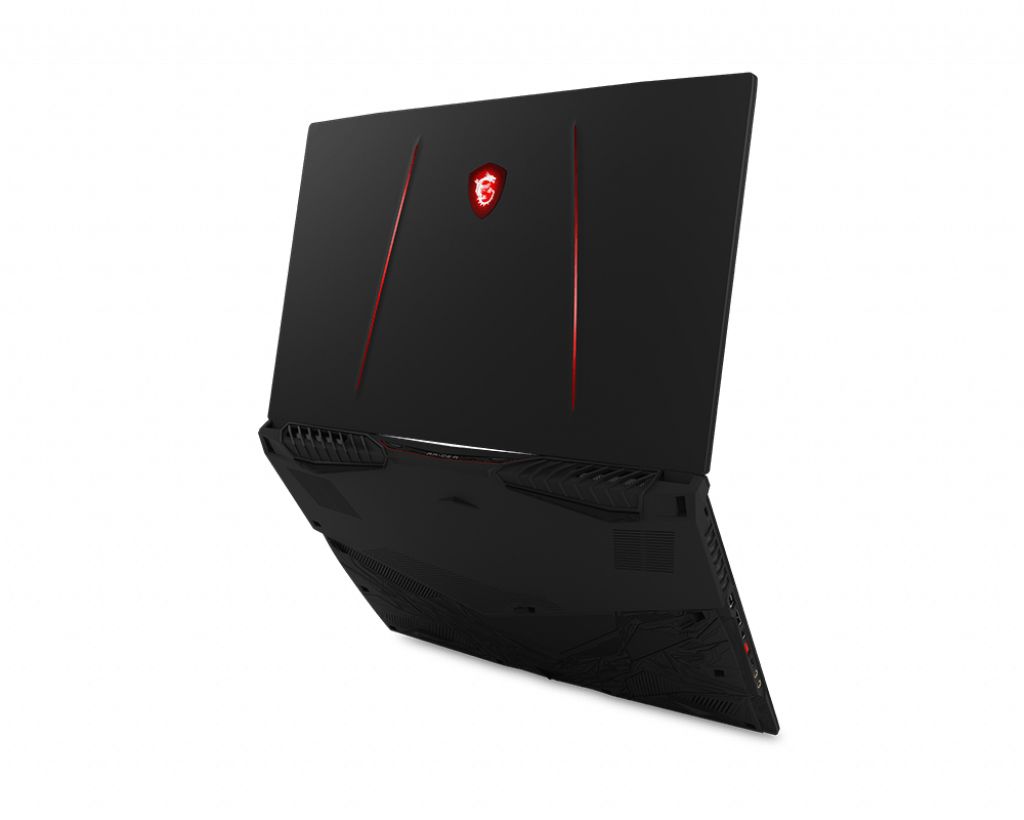
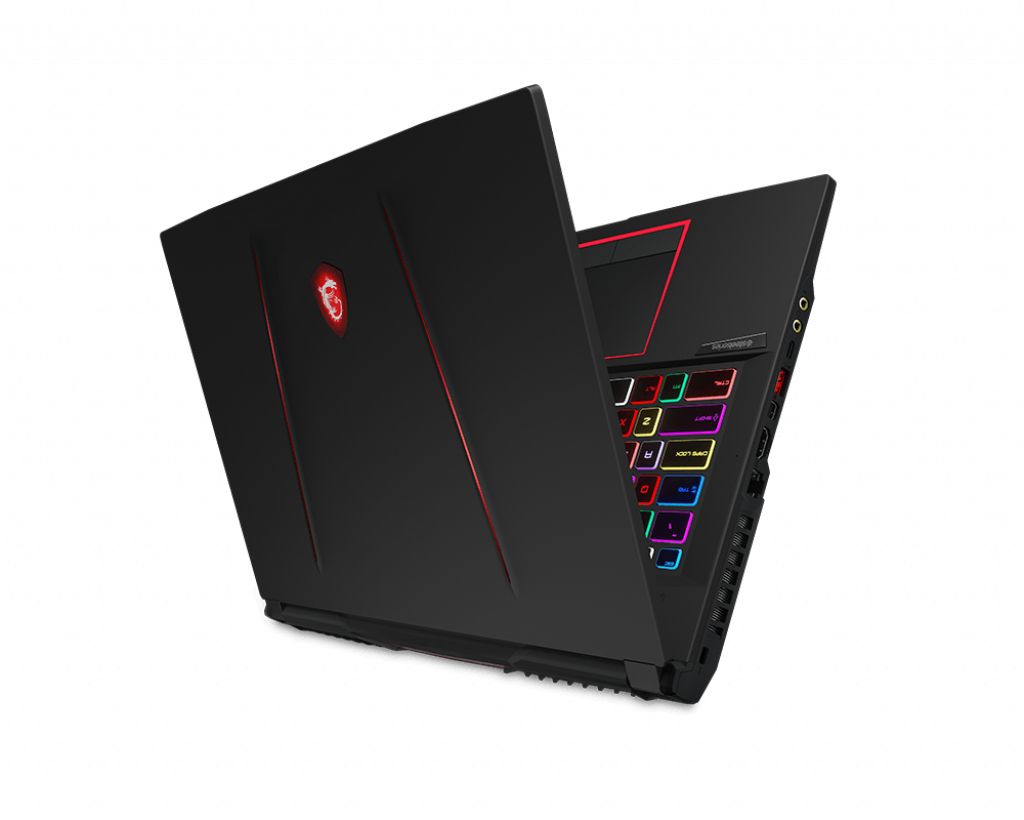
MSI GE75 8SG-042 Raider gaming laptop supports DDR4-SDRAM memory upgrade through 2x SO-DIMM slots. Maximum RAM capacity reaches 32 GB total. Compatible memory operates at 2666 MHz frequency with SO-DIMM form factor. Upgrade specifications enable expansion from factory configuration to maximum supported capacity, providing enhanced multitasking and performance capabilities for gaming and professional applications.
Memory Upgrade Specifications
| Specification | Value |
|---|---|
| Memory slots | 2x SO-DIMM |
| Form factor | SO-DIMM |
| Memory type | DDR4-SDRAM |
| Frequency | 2666 MHz |
| Maximum RAM | 32 GB |
| Voltage | 1.2V |
| Number of pins | 260-pin |
| Interface | PC4 |
| PC Speed Rating | PC4-2666 (PC4-21328) |
| Bandwidth | 21.3 GB/s |
| Laptop Release date | 01 February 2019 |
Additional Notes
- The 32 GB maximum capacity limitation stems from the chipset architecture, restricting single-module density to 16 GB per slot regardless of higher-capacity modules becoming available.
- DDR4-2666 represents the official JEDEC specification for this platform, though the memory controller may accept higher-frequency modules by downclocking them to 2666 MHz without performance benefit.
- Dual-channel architecture requires matched pairs for optimal memory bandwidth, with mismatched modules forcing operation in single-channel mode and reducing memory throughput by approximately 50 percent.
- SO-DIMM modules physically differ from desktop DIMM form factors through reduced pin count and physical dimensions, making desktop memory modules mechanically incompatible.
- The 8th-generation Intel mobile platform limits memory frequency ceiling at DDR4-2666, preventing faster modules from operating above this speed even when XMP profiles specify higher frequencies.
- Warranty preservation requires accessing memory slots through designated bottom panel openings rather than full disassembly, as other access methods may void manufacturer coverage.
- Single-module configurations eliminate redundancy advantages, where dual-module setups allow continued operation at reduced capacity if one module fails.
- Non-ECC unbuffered modules represent the only compatible memory type for this consumer platform, with ECC or registered modules causing POST failure.
- Heat dissipation in gaming workloads may benefit from modules featuring integrated heat spreaders, though the enclosed chassis design limits their thermal advantage compared to desktop implementations.
- Voltage specification remains fixed at 1.2V for DDR4 standard operation, with low-voltage variants offering no compatibility or efficiency advantages on this platform.