MSI Gaming GE75 8SG-059FR Raider RAM upgrade specifications


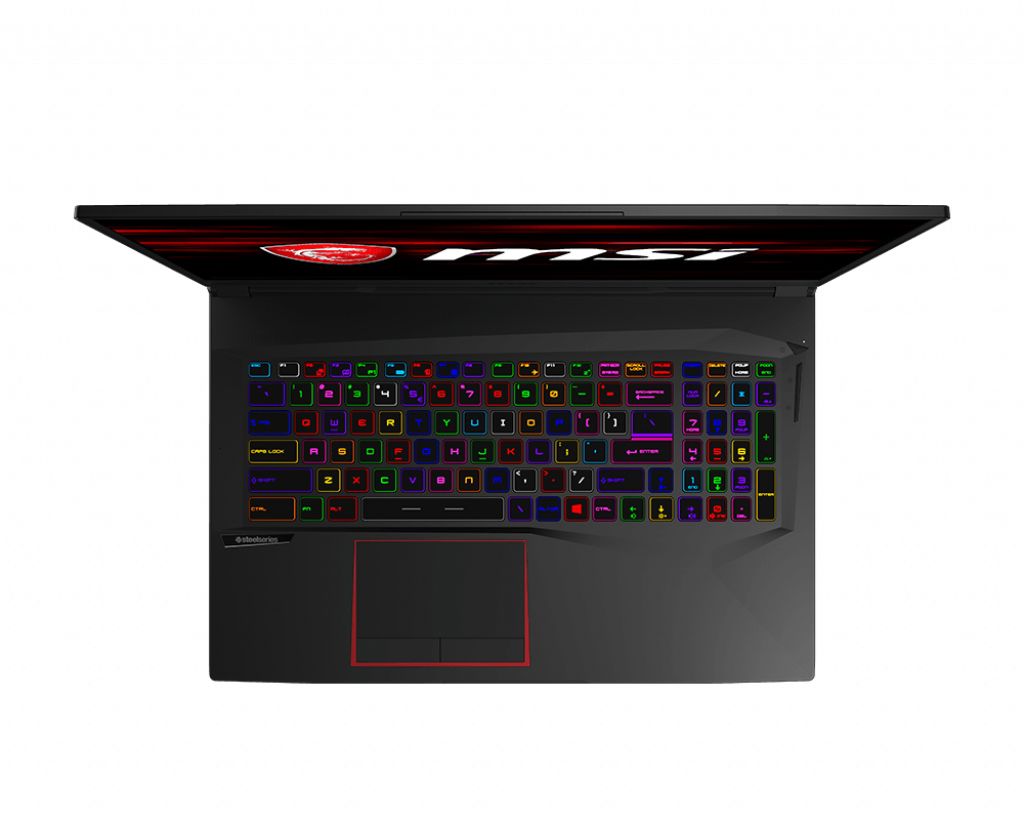
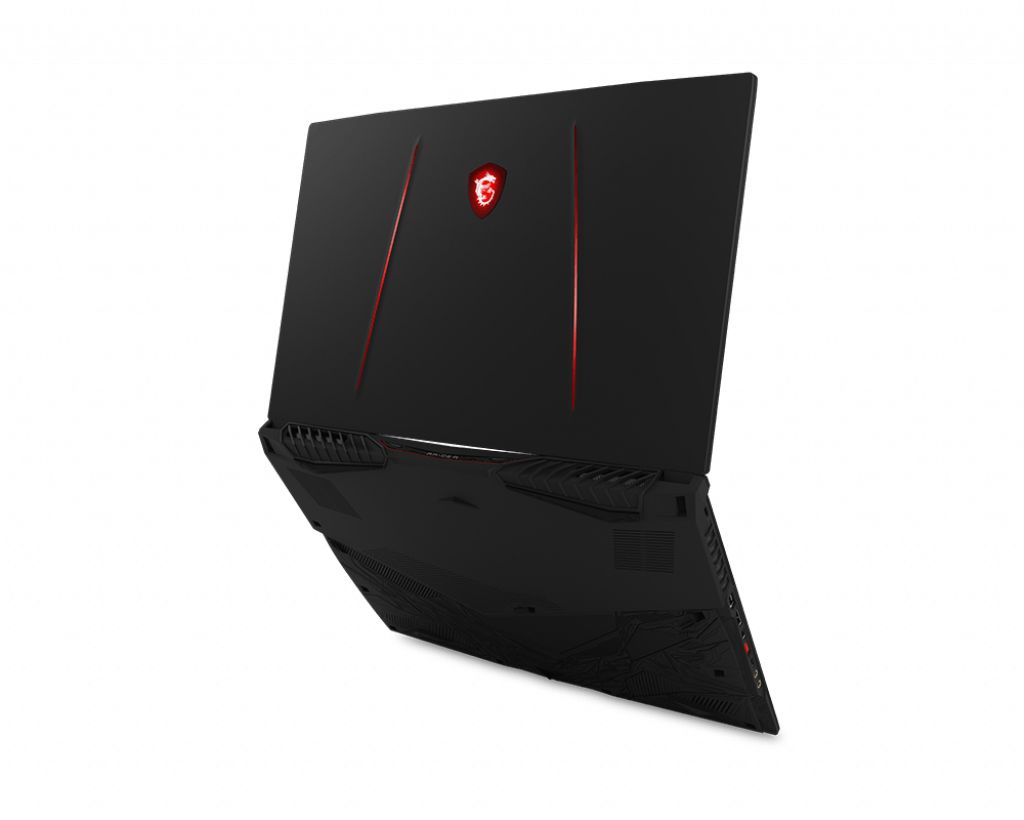

The MSI GE75 8SG-059FR Raider gaming laptop features DDR4-SDRAM memory architecture with two SO-DIMM slots available for RAM upgrade. The system supports maximum memory capacity of 32 GB total, with compatible modules operating at 2666 MHz frequency. Current specifications indicate DDR4 memory compatibility for this GE series model, enabling users to expand installed RAM capacity through the available upgrade slots to achieve maximum supported memory configuration.
Memory Upgrade Specifications
| Specification | Value |
|---|---|
| Memory slots | 2x SO-DIMM |
| Form factor | SO-DIMM |
| Memory type | DDR4-SDRAM |
| Frequency | 2666 MHz |
| Maximum RAM | 32 GB |
| Voltage | 1.2V |
| Number of pins | 260-pin |
| Interface | PC4 |
| PC Speed Rating | PC4-2666 (PC4-21328) |
| Bandwidth | 21.3 GB/s |
| Laptop Release date | 16 May 2019 |
Additional Notes
- The 32 GB ceiling implies an 8th generation Intel Core chipset limitation, as 9th generation mobile platforms typically support 64 GB or higher capacities with DDR4 SO-DIMM configurations.
- DDR4-2666 represents the JEDEC standard speed for this generation, meaning the memory controller does not support native XMP profiles for higher frequencies without potential stability issues.
- Dual-channel architecture requires matched pair installation to avoid asymmetric bandwidth operation, which can reduce memory throughput by up to 50 percent in applications that depend on simultaneous read-write operations.
- The SO-DIMM form factor requires modules with 260 pins and 1.2V operating voltage, as standard desktop DIMM modules with 288 pins are physically incompatible with the MSI GE75 8SG-059FR Raider motherboard.
- Installing a single module in one slot forces the system into single-channel mode, effectively halving the theoretical bandwidth from 42.6 GB per second to 21.3 GB per second.
- Accessing the memory compartment typically requires bottom panel removal, which may void warranty seals depending on regional service policies and the specific configuration purchased.
- Mixing modules with different densities or latencies forces the memory controller to operate all modules at the lowest common specifications, potentially degrading performance below the rated 2666 MHz frequency.
- The 2666 MHz frequency translates to a CAS latency window where CL19 timing is standard, though CL17 or CL16 modules may provide marginal latency improvements of 1 to 2 nanoseconds per access cycle.
- Thermal constraints in high-performance gaming chassis may require modules without tall heat spreaders, as clearance between the SO-DIMM slots and bottom panel venting can be as narrow as 3 to 5 millimeters.
- Non-ECC unbuffered modules are required, as registered or ECC memory types will either fail POST diagnostics or operate with error correction disabled, negating any potential reliability benefits.