MSI Gaming GE75 8SG-064AU Raider RAM upgrade specifications
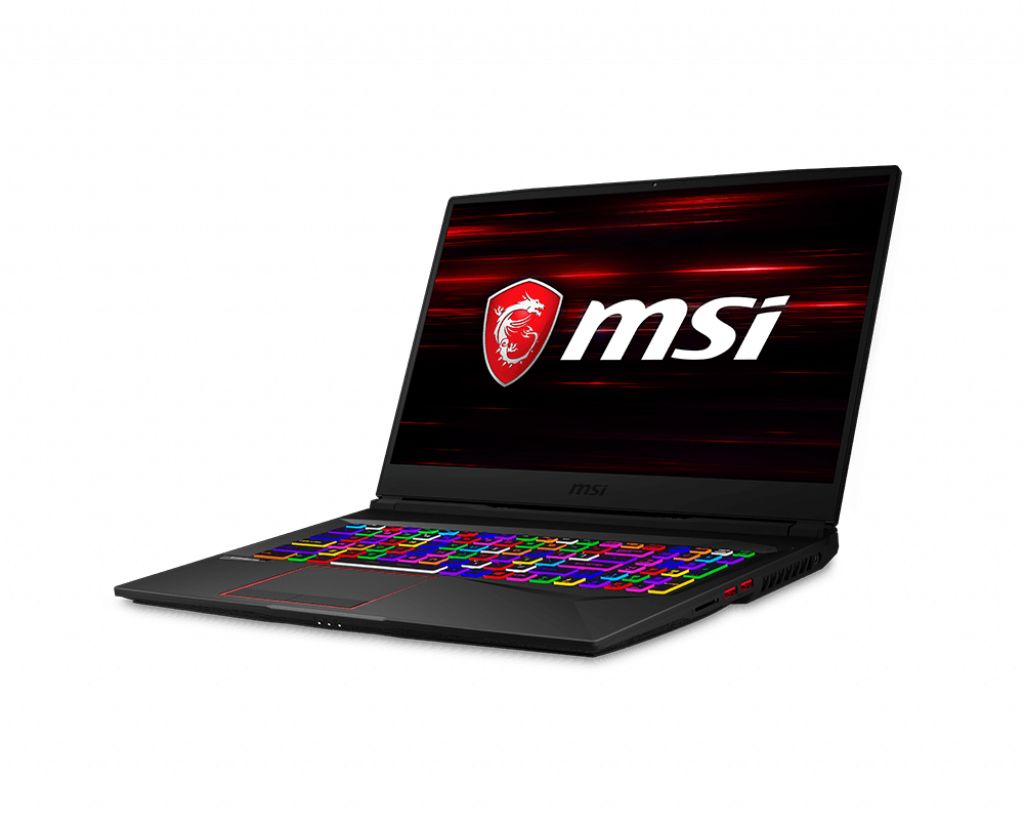
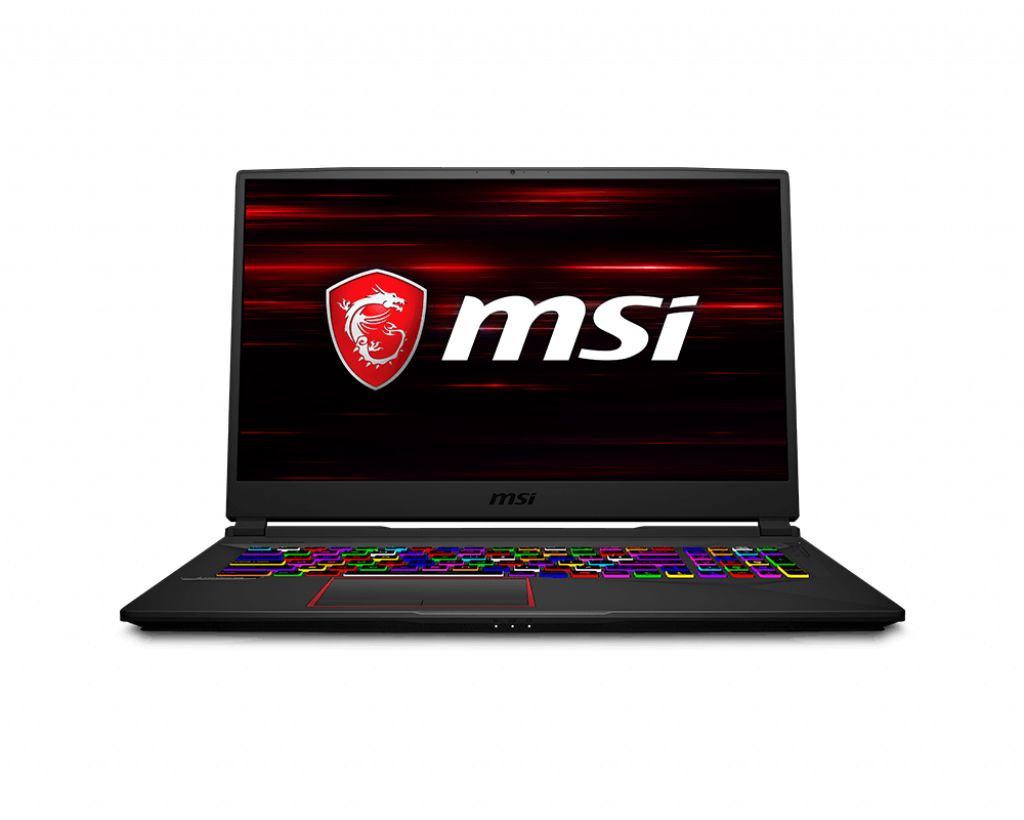
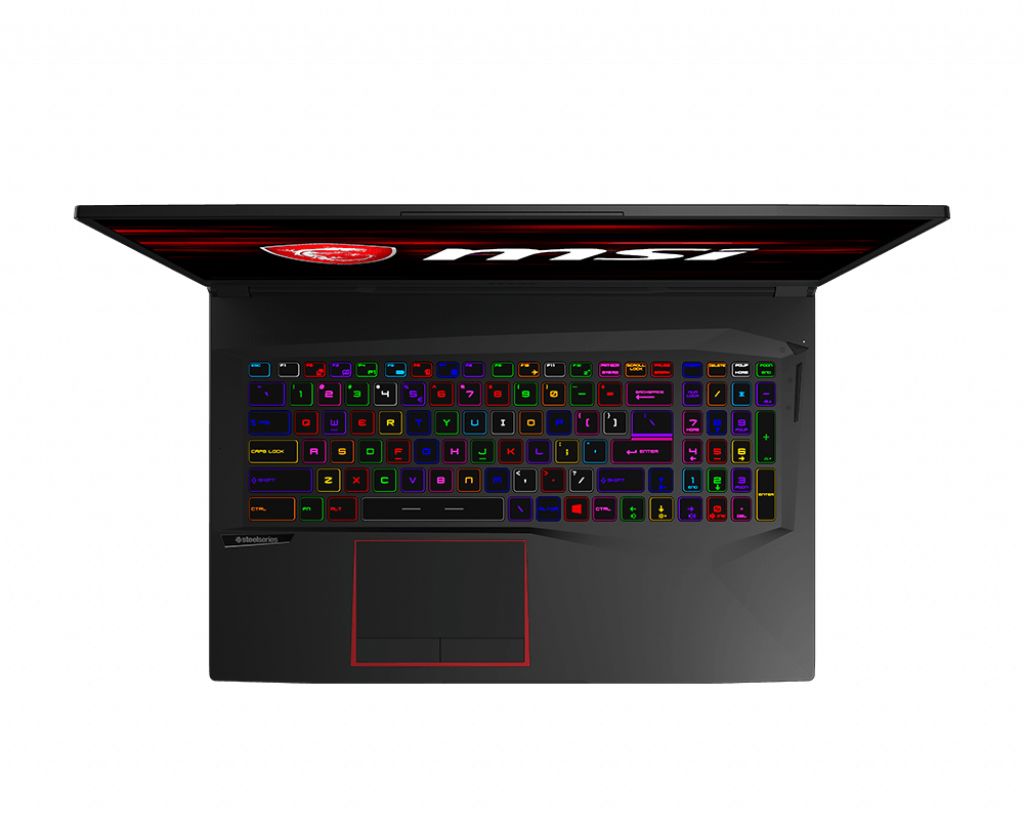
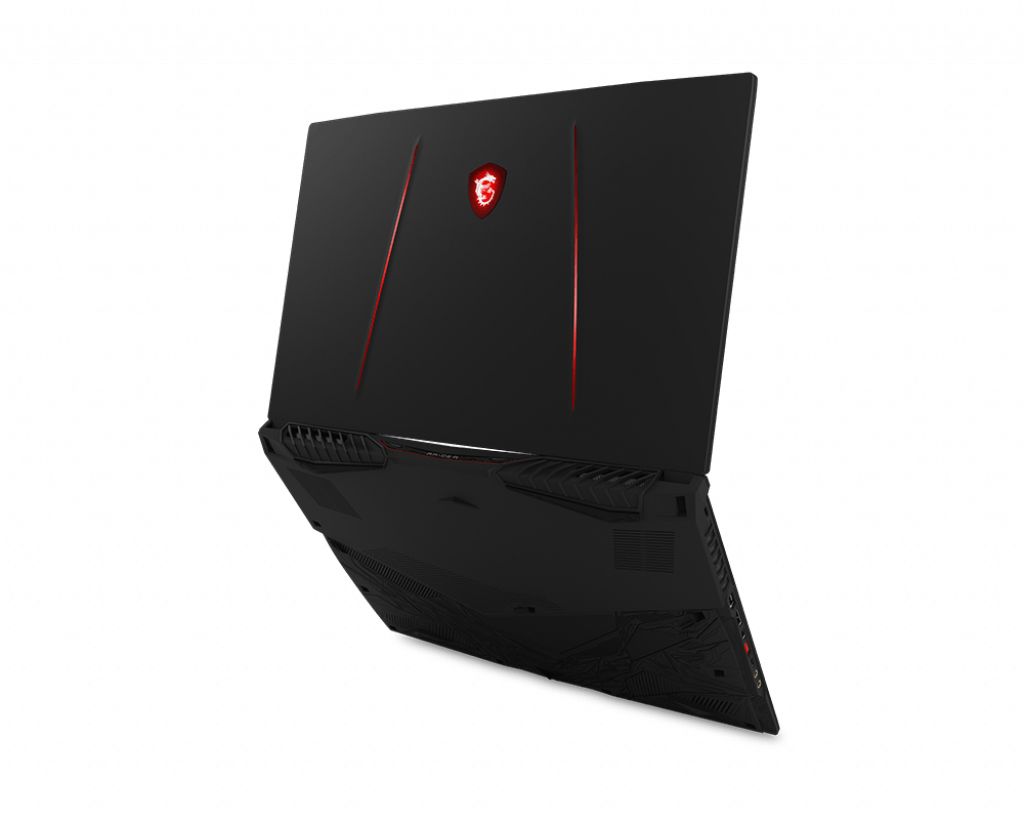
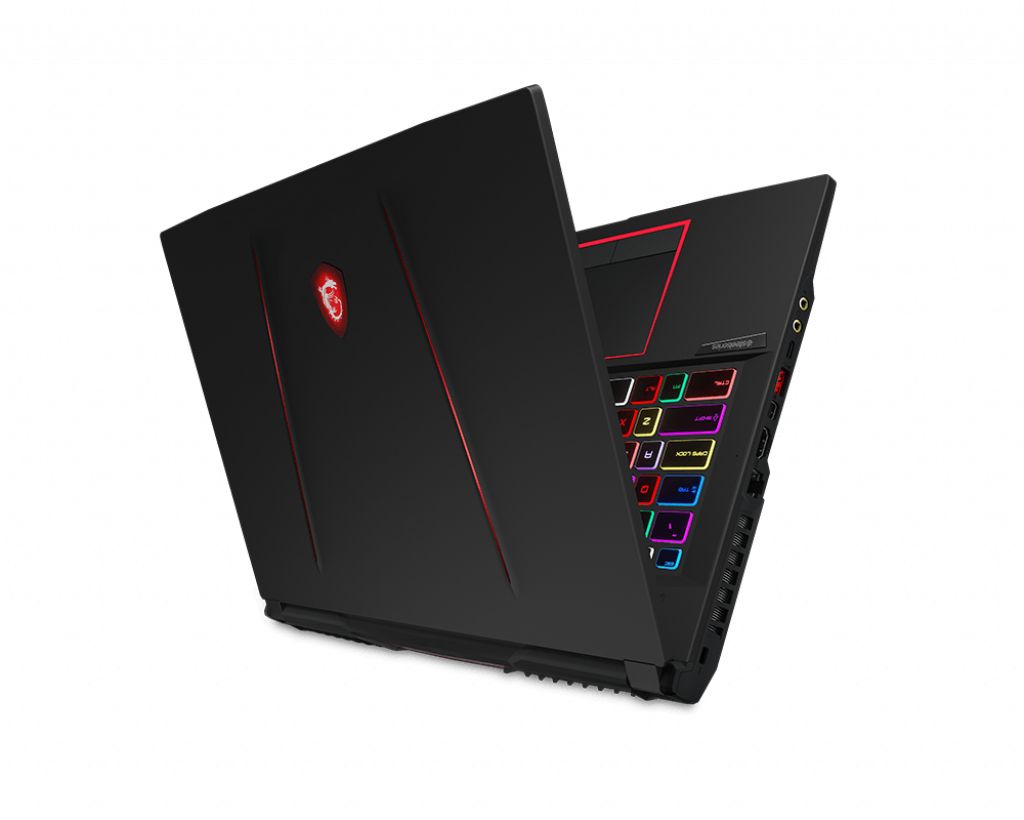
The MSI GE75 8SG-064AU Raider gaming laptop features DDR4-SDRAM memory upgrade specifications. The device contains two SO-DIMM memory slots supporting a maximum RAM capacity of 32 GB. Each slot accommodates SO-DIMM form factor modules operating at 2666 MHz frequency. Compatible memory upgrades for the MSI GE Raider series utilize DDR4 technology, enabling users to expand the laptop's total memory capacity up to the specified maximum through replacement or supplementary module installation in the available upgrade slots.
Memory Upgrade Specifications
| Specification | Value |
|---|---|
| Memory slots | 2x SO-DIMM |
| Form factor | SO-DIMM |
| Memory type | DDR4-SDRAM |
| Frequency | 2666 MHz |
| Maximum RAM | 32 GB |
| Voltage | 1.2V |
| Number of pins | 260-pin |
| Interface | PC4 |
| PC Speed Rating | PC4-2666 (PC4-21328) |
| Bandwidth | 21.3 GB/s |
| Laptop Release date | 12 February 2019 |
Additional Notes
- The 2666 MHz frequency ceiling indicates an 8th generation Intel Coffee Lake mobile processor, which lacks official support for higher-speed modules despite their backward compatibility.
- Both SO-DIMM slots must remain accessible without mainboard removal, as this MSI GE75 8SG-064AU Raider configuration requires simultaneous population for dual-channel operation.
- The 32 GB ceiling necessitates 16 GB modules if full capacity is desired, eliminating single-module upgrade paths while maintaining dual-channel bandwidth.
- DDR4-2666 operates at lower voltage than DDR3 variants, preventing physical installation of older generation modules despite similar SO-DIMM dimensions.
- Exceeding the 2666 MHz specification with faster modules triggers automatic downclocking to the chipset's native frequency, yielding no performance advantage.
- Single-channel operation occurs when only one slot is populated, halving memory bandwidth and creating GPU-bound scenarios in VRAM-intensive applications.
- Mixing module capacities between slots forces the system to mirror the smaller capacity in dual-channel mode, leaving remaining capacity in slower single-channel access.
- Non-ECC unbuffered modules are required, as server-grade registered or error-correcting memory types lack compatibility with consumer mobile chipsets.
- Thermal constraints in gaming chassis designs favor modules without tall heat spreaders, which may interfere with keyboard assemblies or cooling assemblies.
- The absence of quad-channel support means bandwidth tops out at 42.6 GB/s theoretical maximum, regardless of module quality or configuration.