MSI Gaming GE75 8SG-096CA Raider RAM upgrade specifications
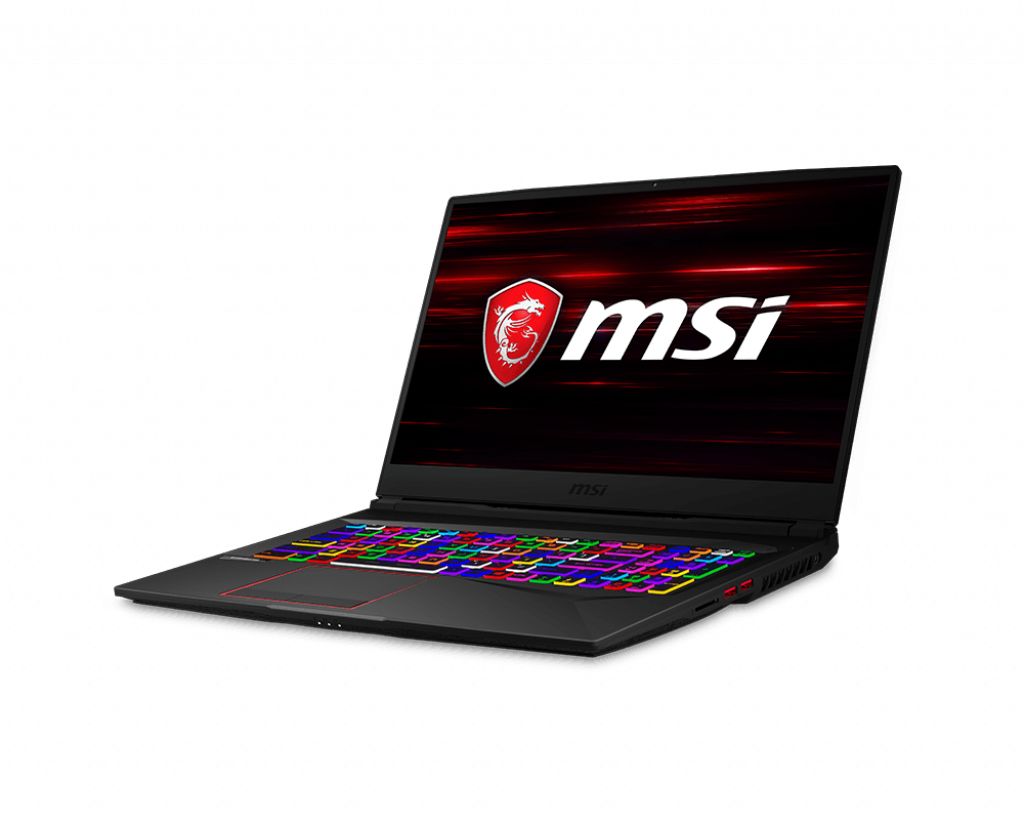
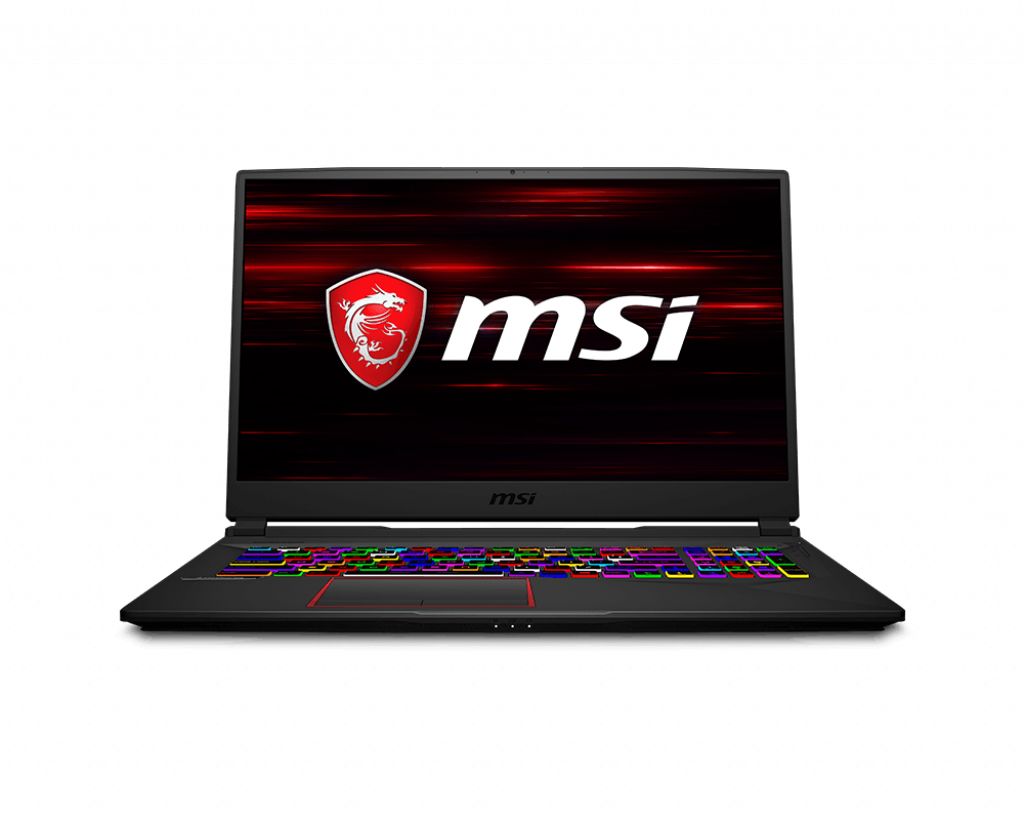
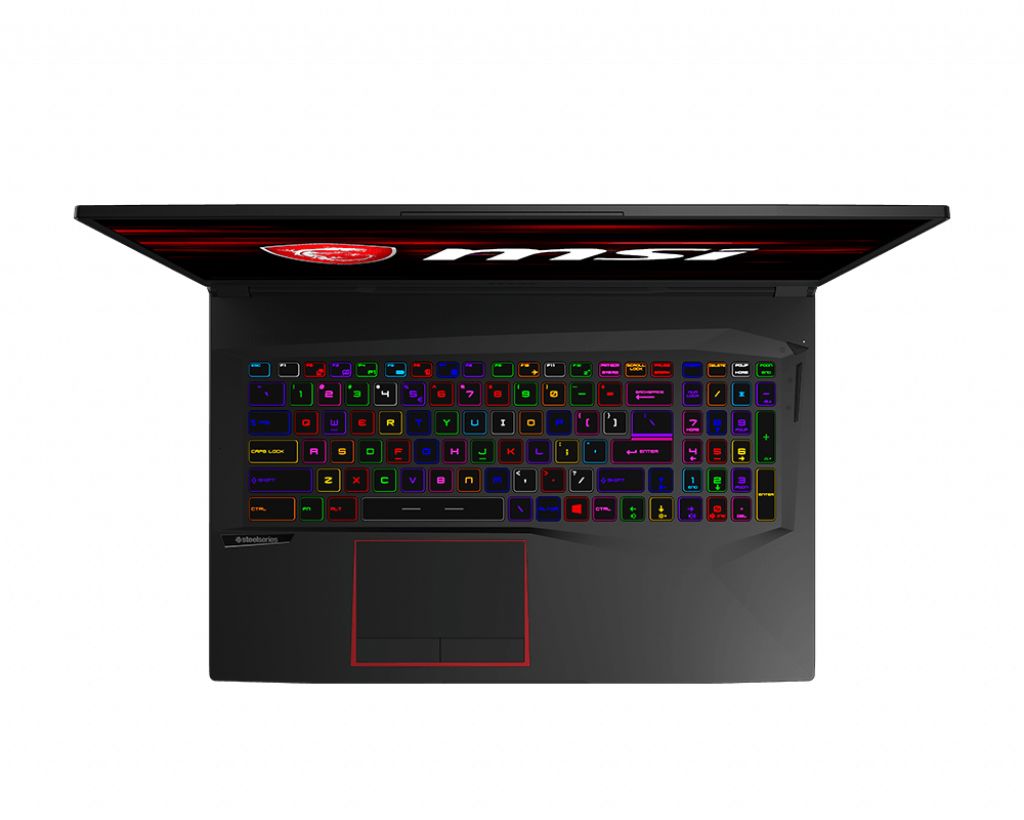
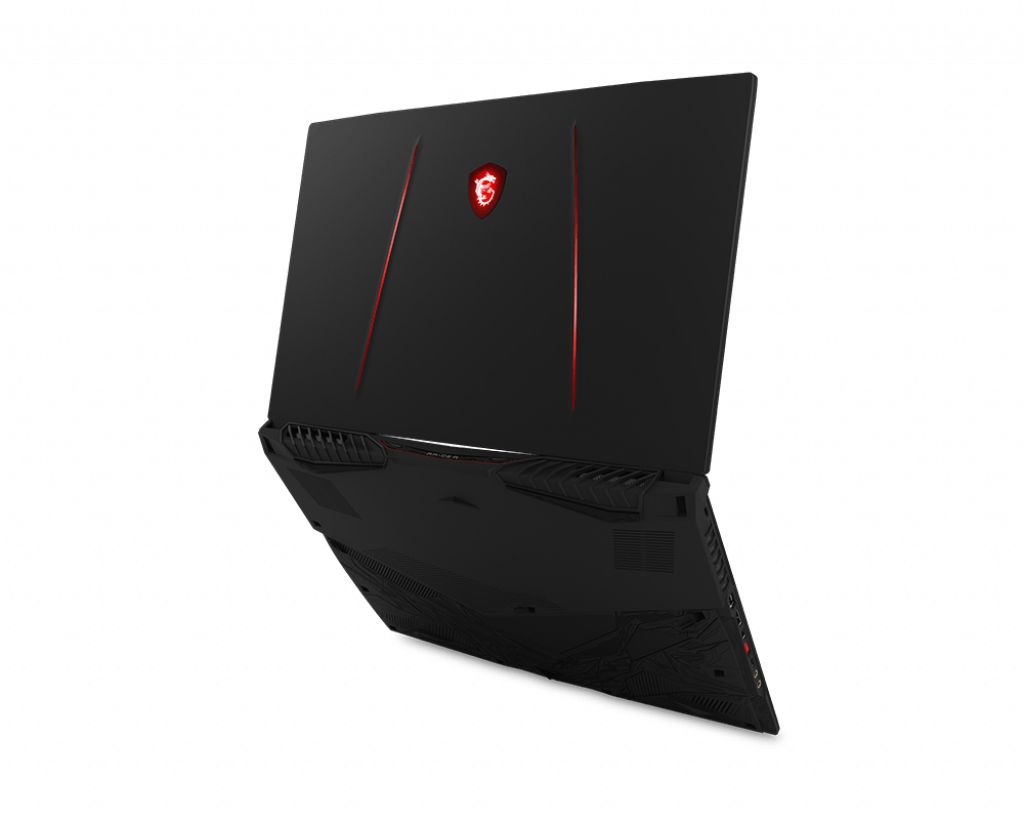
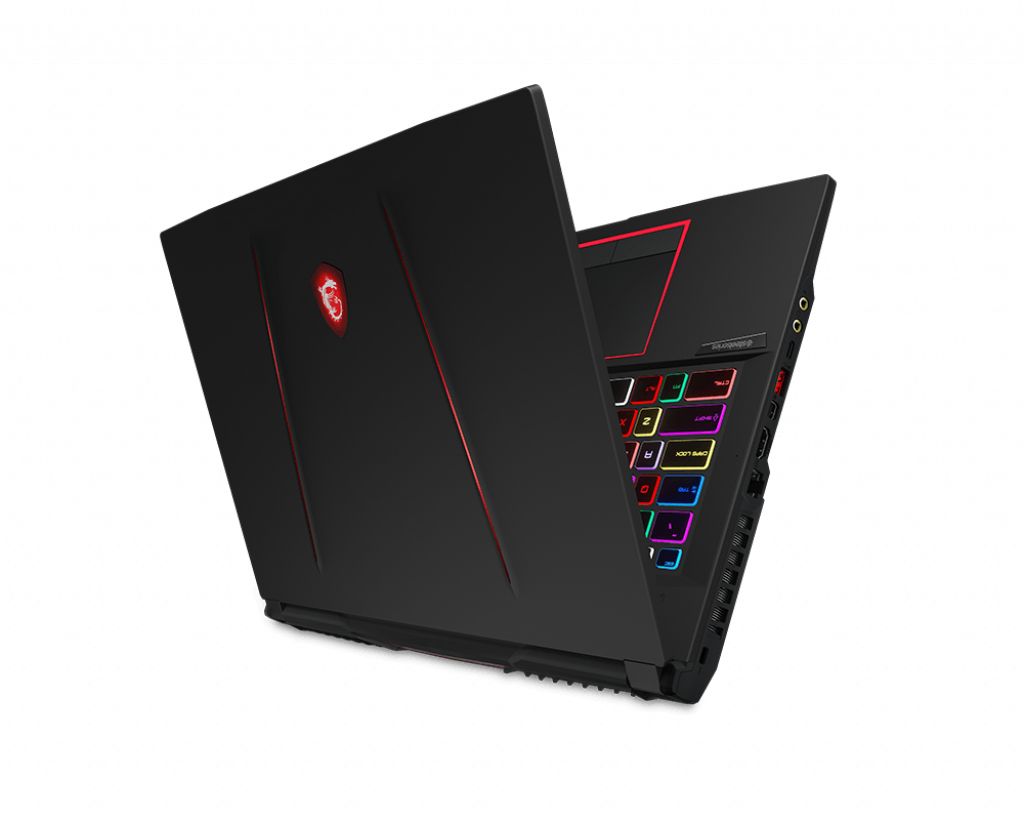
The MSI GE75 8SG-096CA Raider Gaming series laptop supports DDR4-SDRAM memory upgrades with two SO-DIMM slots for maximum RAM capacity of 32 GB total. Compatible memory modules operate at 2666 MHz frequency specifications. The upgrade slots accommodate standard SO-DIMM form factor memory modules, enabling RAM capacity expansion for enhanced system performance on the GE75 8SG-096CA Raider model.
Memory Upgrade Specifications
| Specification | Value |
|---|---|
| Memory slots | 2x SO-DIMM |
| Form factor | SO-DIMM |
| Memory type | DDR4-SDRAM |
| Frequency | 2666 MHz |
| Maximum RAM | 32 GB |
| Voltage | 1.2V |
| Number of pins | 260-pin |
| Interface | PC4 |
| PC Speed Rating | PC4-2666 (PC4-21328) |
| Bandwidth | 21.3 GB/s |
| Laptop Release date | 13 September 2019 |
Additional Notes
- The 2x SO-DIMM configuration limits upgrade pathways to 2 modules maximum, creating a binary choice between symmetric dual-channel operation (2x16GB) or potential performance degradation if asymmetric configurations are attempted.
- DDR4-2666 MHz specification indicates the MSI GE75 8SG-096CA Raider uses 8th-generation Intel platform architecture, which constrains memory compatibility to modules rated for this frequency or lower; higher-frequency DDR4 modules (3000+ MHz) will downclock to 2666 MHz, eliminating cost justification for premium memory purchases.
- SO-DIMM physical form factor restricts upgrade options to laptop-grade memory only; desktop DDR4 modules are mechanially incompatible and cannot be installed regardless of electrical specifications.
- The 32GB ceiling on total capacity represents a hard limitation imposed by the platform chipset and BIOS, meaning single modules larger than 16GB will not function or be recognized, even if physically compatible.
- Two memory slots occupy fixed positions on the motherboard with minimal thermal clearance; installation of high-profile heatspreaders may create contact interference with the system cooler assembly, necessitating passive or low-profile module selection.
- Warranty retention during RAM replacement typically remains protected under manufacturer terms when using qualified third-party modules, but mixing OEM and non-OEM memory in the same upgrade session may trigger support complications if stability issues arise subsequently.