MSI Gaming GE75 9SE-403BE Raider RAM upgrade specifications



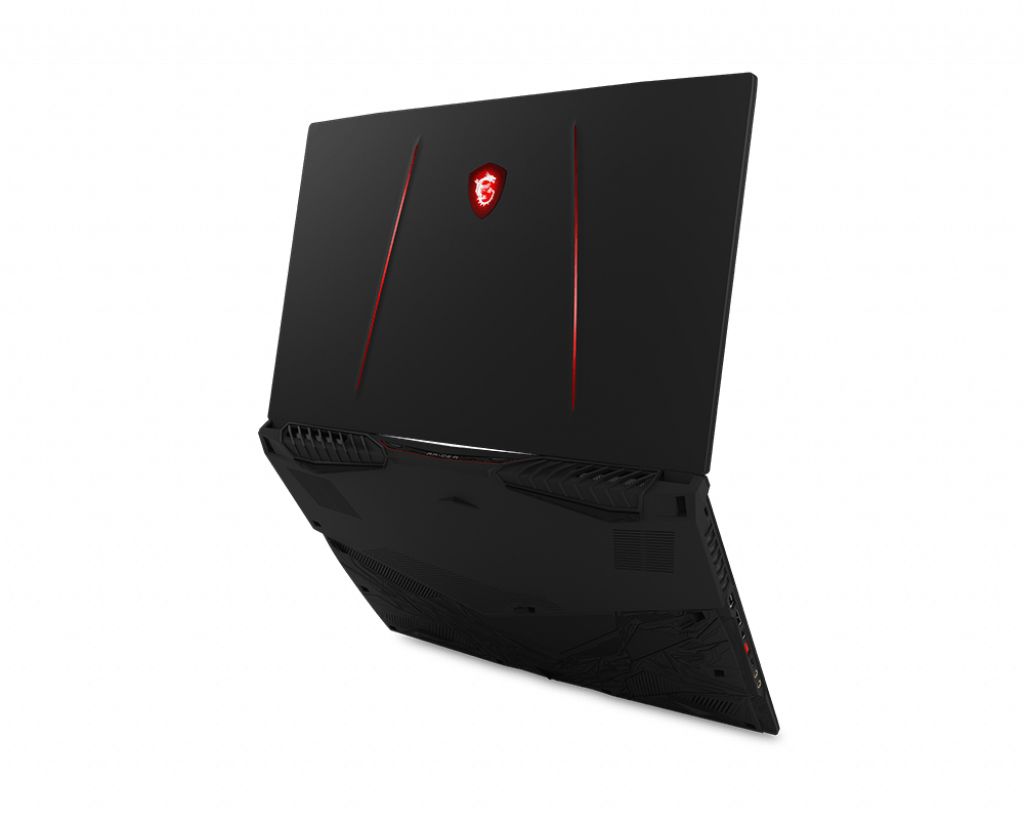
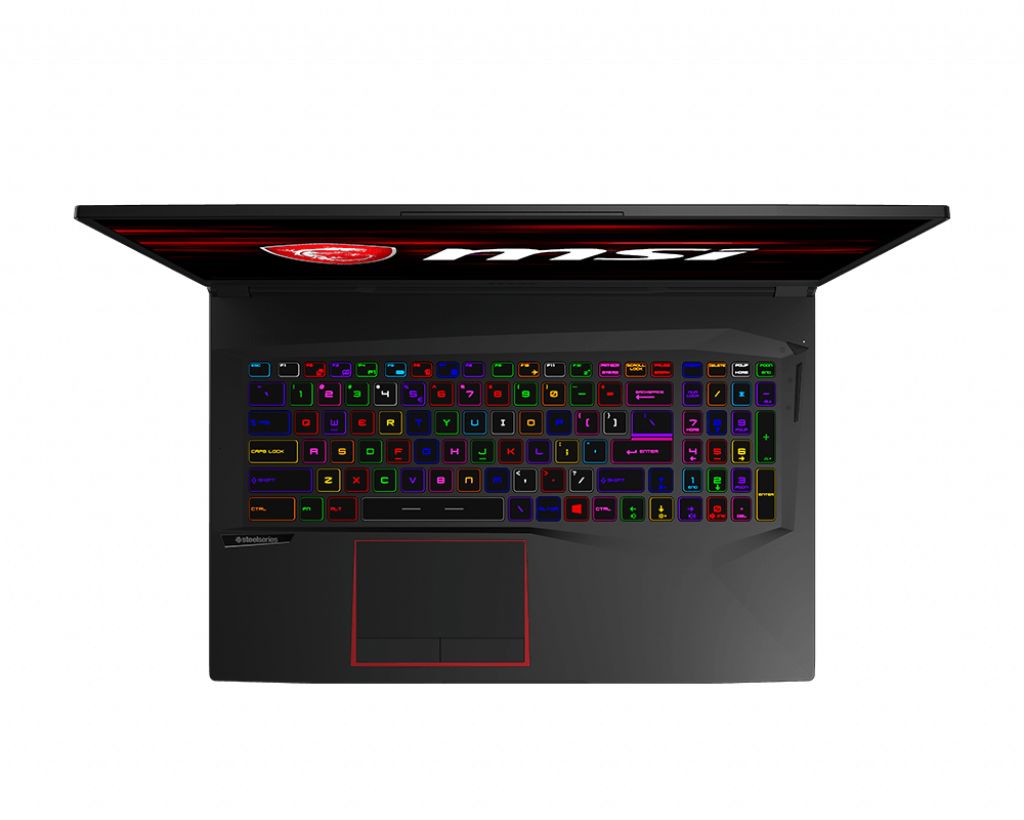
The MSI GE75 9SE-403BE Raider Gaming series laptop features two SO-DIMM slots for memory expansion. The system supports DDR4-SDRAM modules operating at 2666 MHz frequency. Maximum RAM capacity reaches 64 GB total when slots are fully populated. Compatible upgrade options include DDR4-SDRAM SO-DIMM modules matching specifications. Current memory configuration and available slots determine upgrade capacity. Specifications indicate SO-DIMM form factor requirement for RAM compatibility and installation in Gaming GE series models.
Memory Upgrade Specifications
| Specification | Value |
|---|---|
| Memory slots | 2x SO-DIMM |
| Form factor | SO-DIMM |
| Memory type | DDR4-SDRAM |
| Frequency | 2666 MHz |
| Maximum RAM | 64 GB |
| Voltage | 1.2V |
| Number of pins | 260-pin |
| Interface | PC4 |
| PC Speed Rating | PC4-2666 (PC4-21328) |
| Bandwidth | 21.3 GB/s |
| Laptop Release date | 08 April 2019 |
Additional Notes
- The MSI GE75 9SE-403BE Raider supports a maximum capacity of 64 GB across its 2 SO-DIMM slots, meaning each slot accepts 32 GB modules at full capacity.
- DDR4-2666 MHz frequency operates below modern DDR4 standards (3000-3600 MHz), creating a performance ceiling that independent GPU and CPU gains cannot fully overcome during memory-intensive gaming or content creation tasks.
- SO-DIMM form factor mandates laptop-specific modules; desktop DDR4 DIMM sticks are physically incompatible and will not seat in the available slots.
- Upgrading from dual-channel configuration requires replacing both existing modules simultaneously to avoid asymmetric memory bandwidth, which degrades performance more than symmetric single-channel operation.
- DDR4-2666 memory operates at lower latency and voltage margins compared to higher-frequency variants, limiting thermal headroom for sustained workloads and reducing overclocking potential if future BIOS updates enable memory frequency adjustment.
- Warranty coverage typically remains intact when replacing RAM with equivalent specifications, provided installation occurs outside the sealed battery compartment and no thermal compound contact occurs on system boards.
- The 2-slot architecture eliminates upgrade flexibility; maximum capacity reached only through complete module replacement rather than incremental expansion.