MSI Gaming GE75 9SE-426CA Raider RAM upgrade specifications
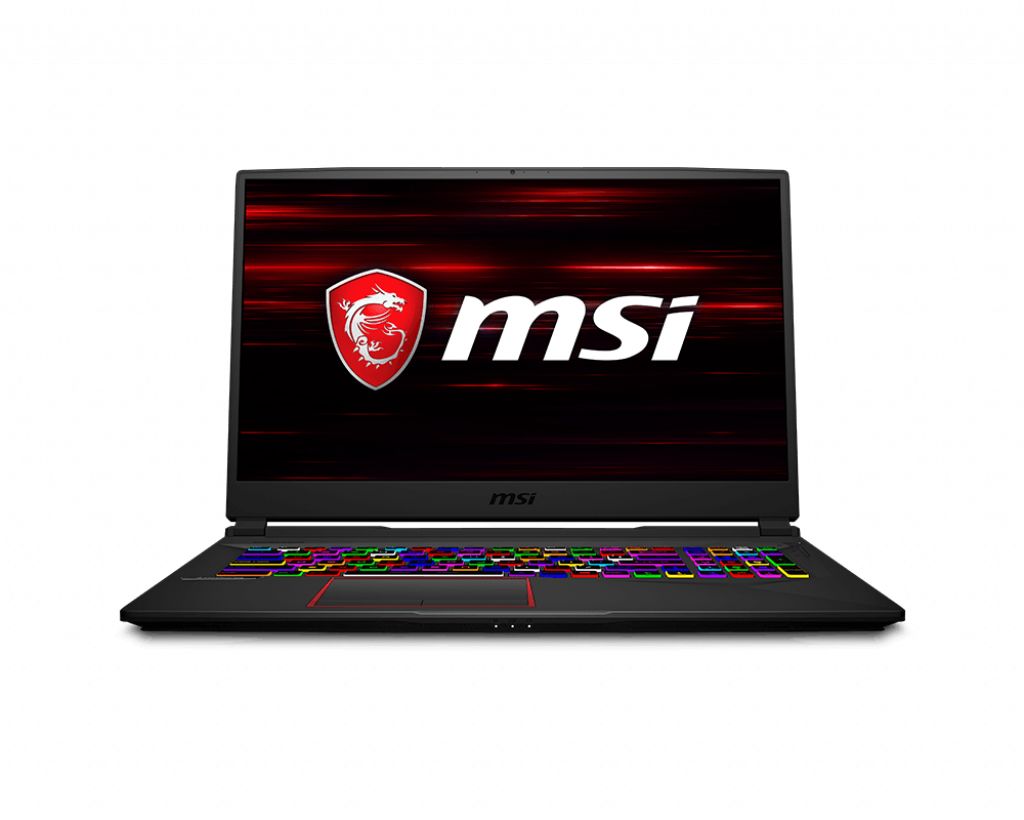
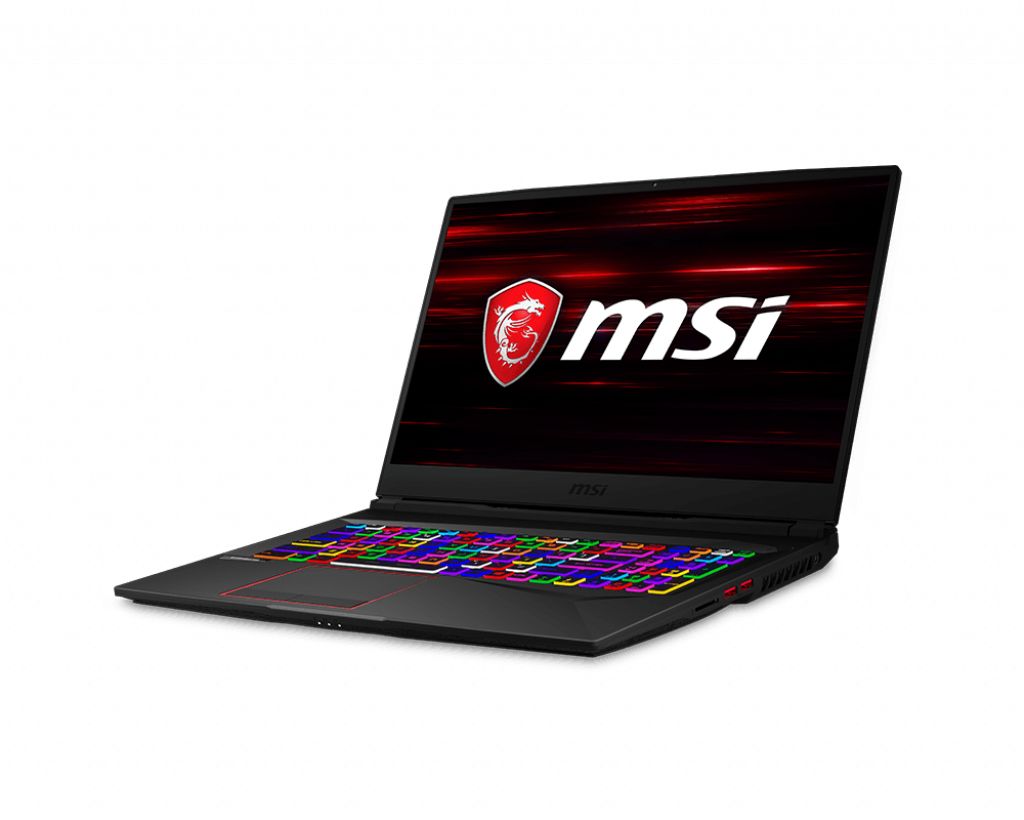
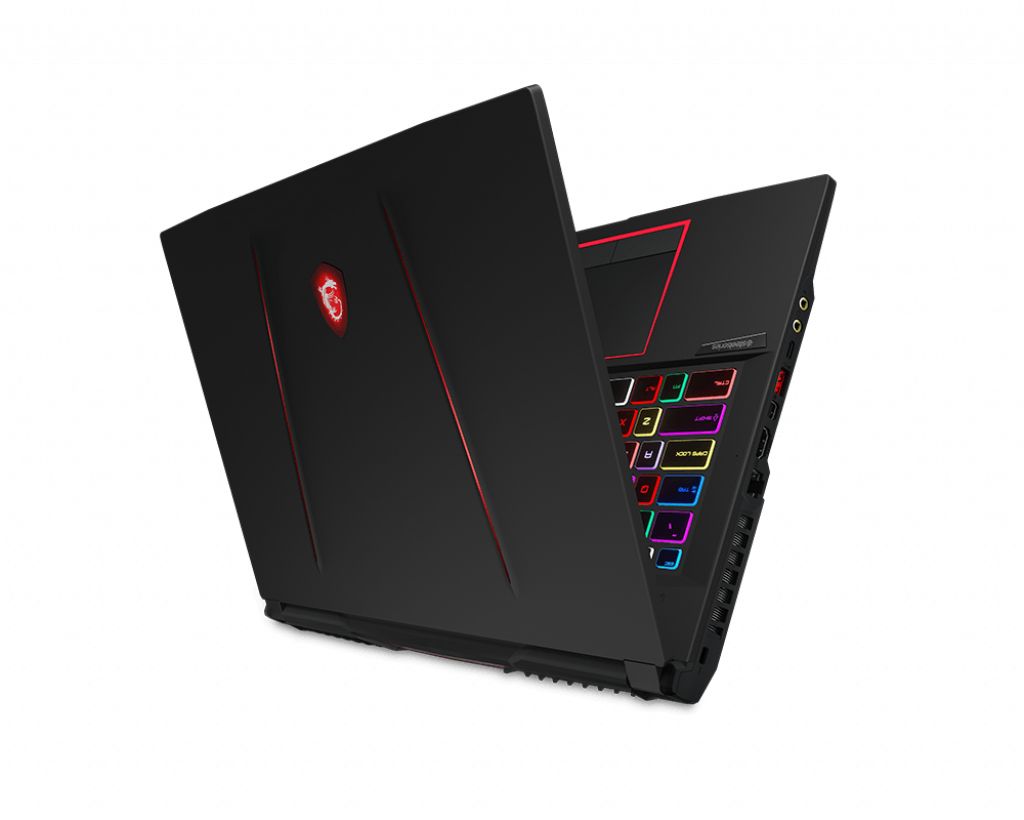
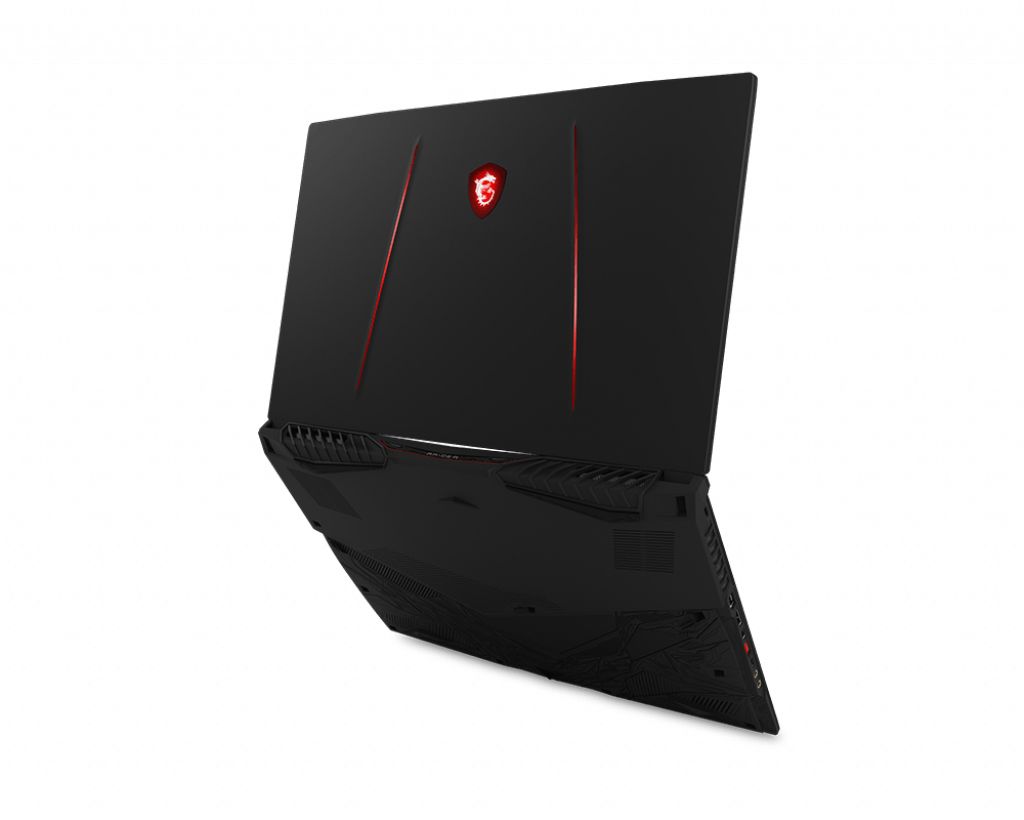
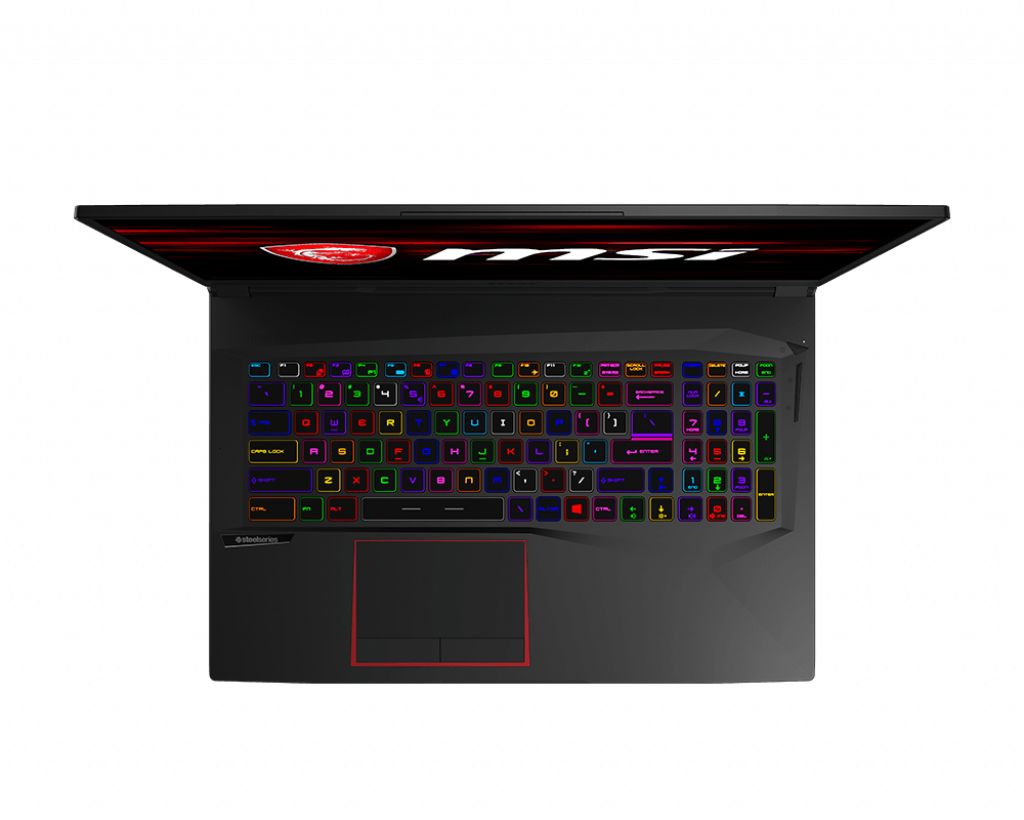
MSI GE75 9SE-426CA Raider gaming laptop RAM upgrade specifications include DDR4-SDRAM memory type with 2x SO-DIMM slots supporting maximum capacity of 64 GB. Memory modules operate at 2666 MHz frequency using SO-DIMM form factor. Compatible upgrade options allow expansion from stock configuration to full maximum memory capacity. Specifications define supported RAM characteristics for performance enhancement and multitasking capability on GE series gaming platform.
Memory Upgrade Specifications
| Specification | Value |
|---|---|
| Memory slots | 2x SO-DIMM |
| Form factor | SO-DIMM |
| Memory type | DDR4-SDRAM |
| Frequency | 2666 MHz |
| Maximum RAM | 64 GB |
| Voltage | 1.2V |
| Number of pins | 260-pin |
| Interface | PC4 |
| PC Speed Rating | PC4-2666 (PC4-21328) |
| Bandwidth | 21.3 GB/s |
| Laptop Release date | 13 May 2019 |
Additional Notes
- The 2x SO-DIMM configuration operates as a dual-channel architecture, meaning memory upgrades must be installed in pairs to achieve rated bandwidth performance; single-module installations default to single-channel operation with approximately 50 percent throughput reduction.
- DDR4-2666 MHz frequency represents the JEDEC standard supported by the 9th-generation Intel processor in this MSI Gaming GE75 9SE-426CA Raider, but the system can accommodate faster aftermarket modules; actual performance gains depend on memory controller specifications rather than module speed alone.
- The 64 GB theoretical maximum assumes both SO-DIMM slots populated with 32 GB modules, a capacity tier not widely available during the system's original release window; upgrades to 32 GB per slot remain warranty-safe if sourced from MSI-qualified vendors or matched to original OEM specifications.
- SO-DIMM form factor requires laptop-specific memory modules rather than standard desktop DDR4; desktop memory physically will not fit in these slots, creating an incompatibility barrier for parts salvage or cross-platform upgrades.
- Replacing the factory-installed memory requires full removal of the base panel and potential disconnection of internal components; any upgrade work must account for reassembly difficulty and cable routing complexity typical of gaming laptop designs.
- Memory bandwidth saturation may occur under sustained GPU-intensive workloads; DDR4-2666 paired with a discrete graphics adapter creates a potential bottleneck when combined with high frame-rate gaming above 100 fps, as system memory cannot fully feed the graphics pipeline without CPU intervention.