MSI Gaming GE75 9SG-488 Raider RAM upgrade specifications
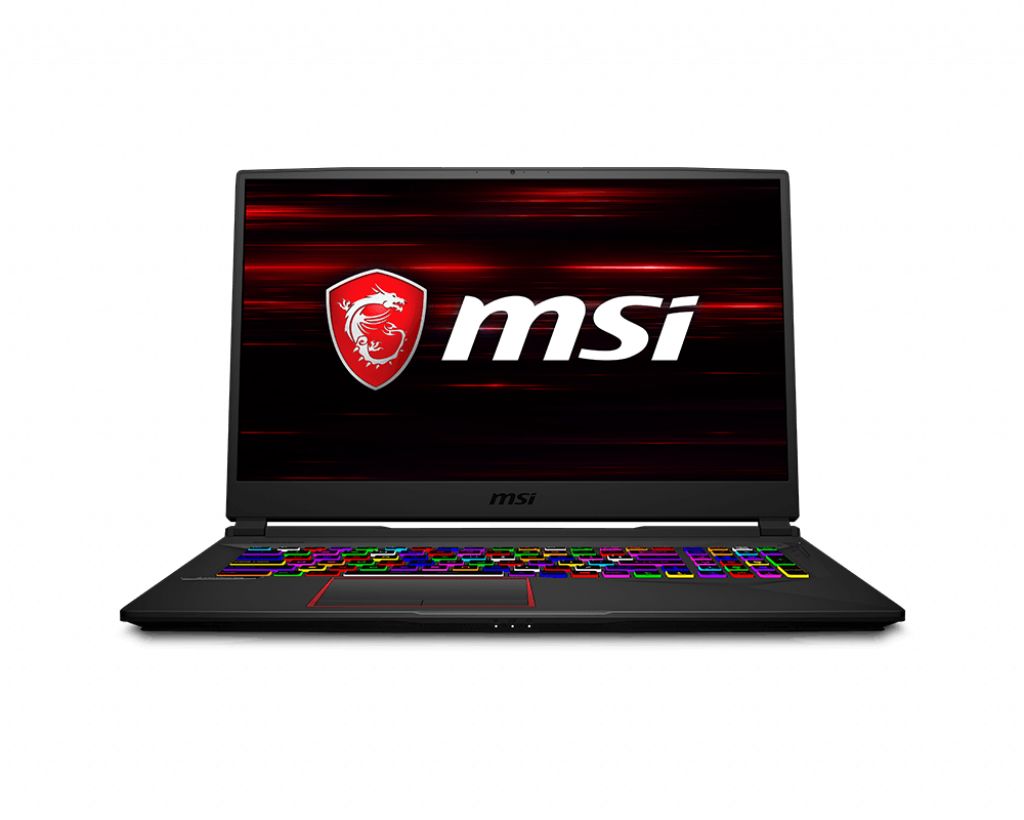
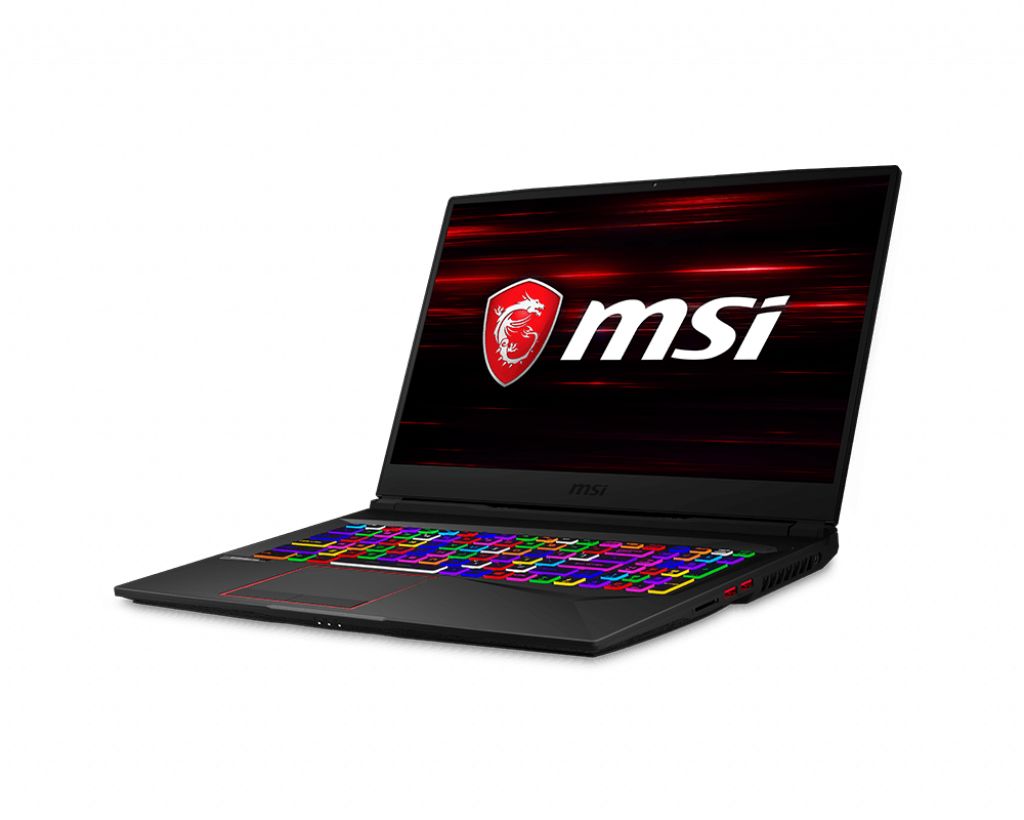
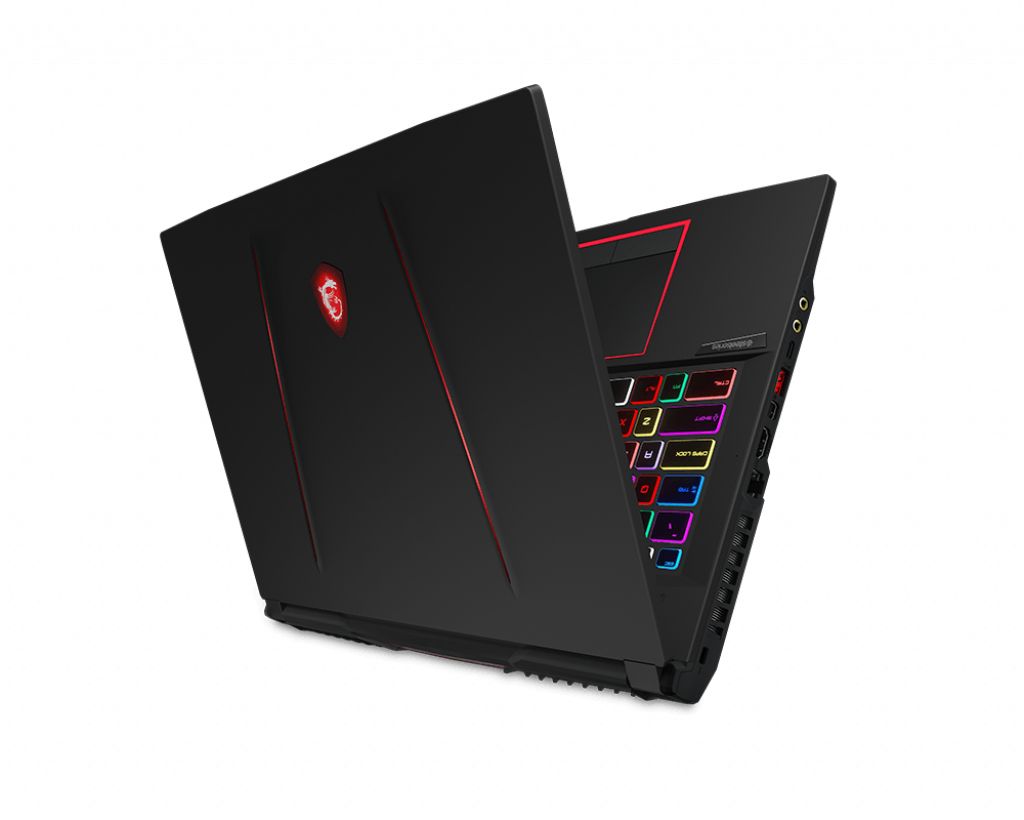
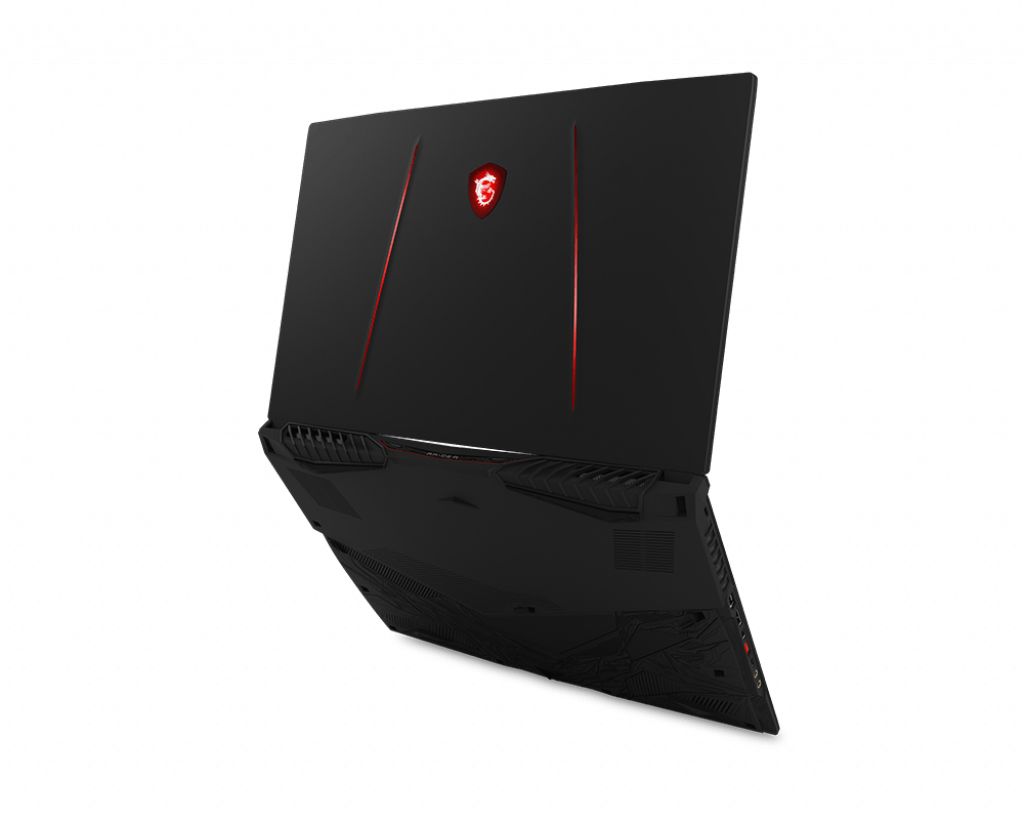
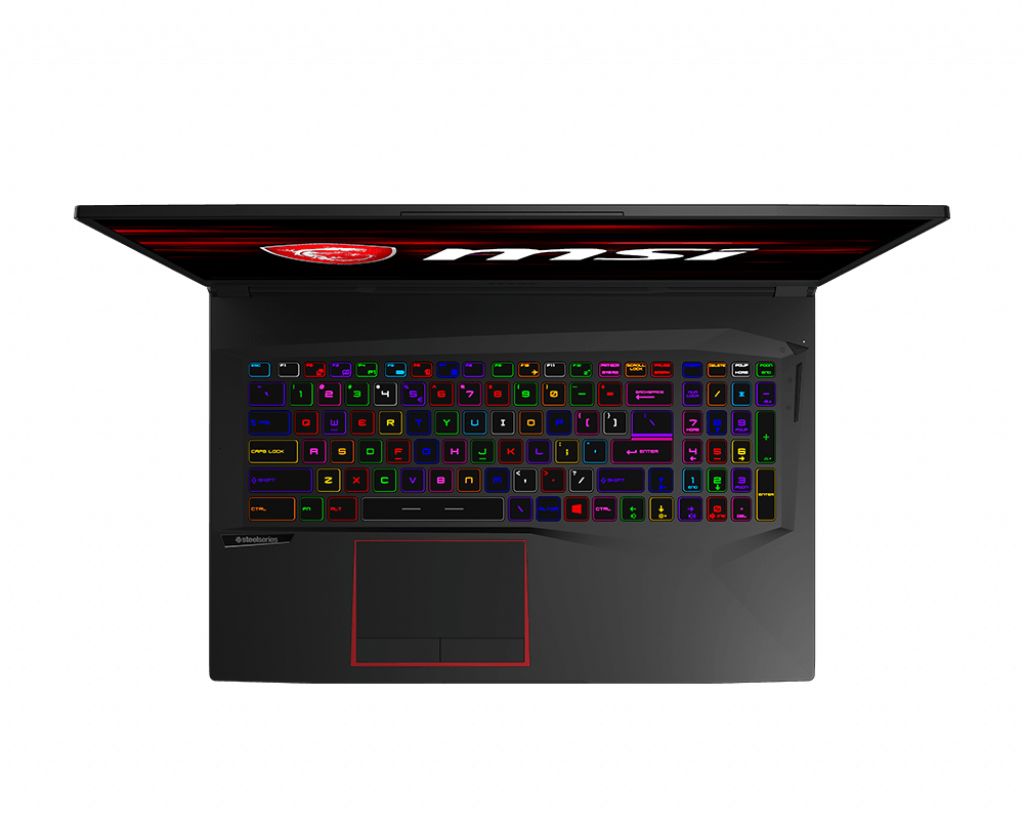
The MSI GE75 9SG-488 Raider Gaming series laptop features two SO-DIMM memory slots supporting DDR4-SDRAM upgrades at 2666 MHz frequency. Maximum RAM capacity reaches 64 GB, enabling significant memory expansion from factory specifications. Compatible upgrades utilize SO-DIMM form factor modules designed for portable computing platforms. Memory slots accept standard DDR4 modules, providing flexibility for increasing system RAM to meet demanding gaming and multitasking requirements. Upgrade specifications support installation of higher-capacity memory configurations within the 64 GB maximum threshold.
Memory Upgrade Specifications
| Specification | Value |
|---|---|
| Memory slots | 2x SO-DIMM |
| Form factor | SO-DIMM |
| Memory type | DDR4-SDRAM |
| Frequency | 2666 MHz |
| Maximum RAM | 64 GB |
| Voltage | 1.2V |
| Number of pins | 260-pin |
| Interface | PC4 |
| PC Speed Rating | PC4-2666 (PC4-21328) |
| Bandwidth | 21.3 GB/s |
| Laptop Release date | 10 May 2019 |
Additional Notes
- Dual channel memory architecture requires installing a pair of identical modules to achieve peak memory bandwidth and prevent system latency during heavy gaming workloads.
- The MSI GE75 9SG-488 Raider motherboard architecture limits the speed of high frequency modules to the system cap of 2666 MHz regardless of the rated clock speed of the replacement hardware.
- Upgrading to the 64 GB maximum requires the total replacement of existing factory modules because the internal layout lacks additional expansion sockets.
- Accessing the SO-DIMM slots involves removing the entire bottom chassis plate which can lead to structural damage if the plastic retention clips are not handled with specialized pry tools.
- Installing memory with XMP profiles may necessitate manual BIOS configuration to ensure the hardware operates at the intended timings rather than falling back to slower SPD defaults.
- Thermal constraints within the compact laptop housing mean that high density 32 GB modules should be selected based on low voltage operating standards to minimize heat generation near other motherboard components.
- Mixing modules from different manufacturers or with different CAS latencies can trigger boot failures or intermittent system instability due to timing mismatches on the memory controller.