MSI Gaming GE75 9SG-618FR Raider RAM upgrade specifications

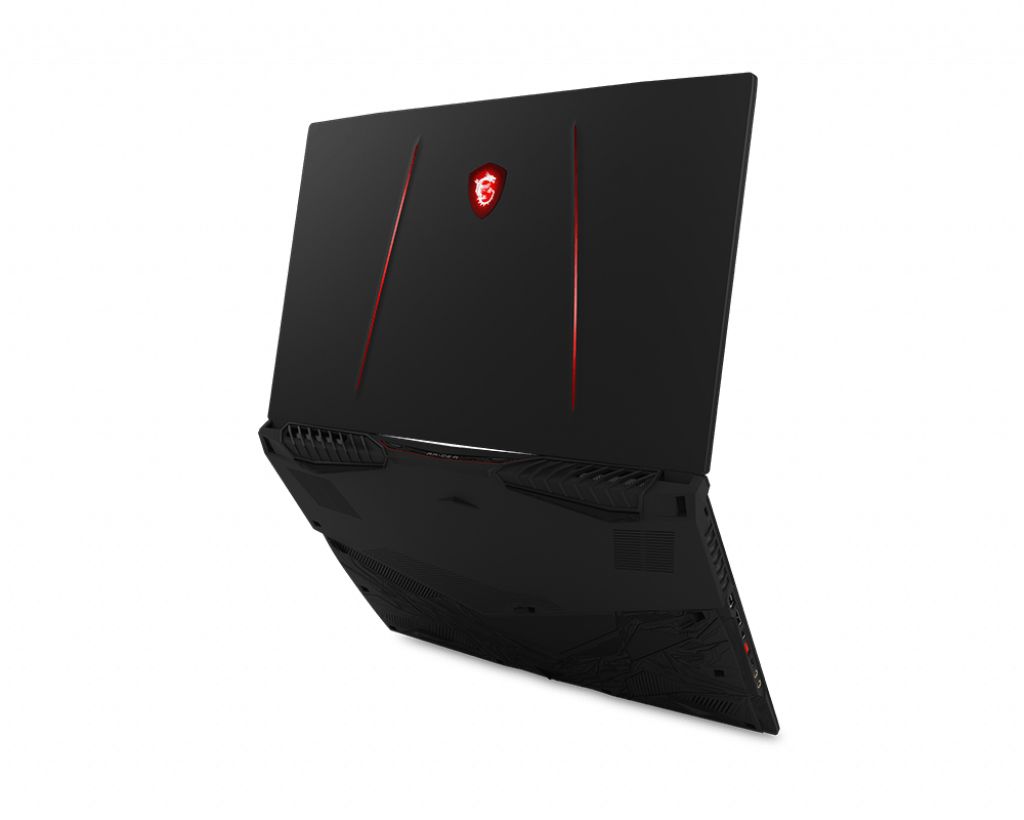
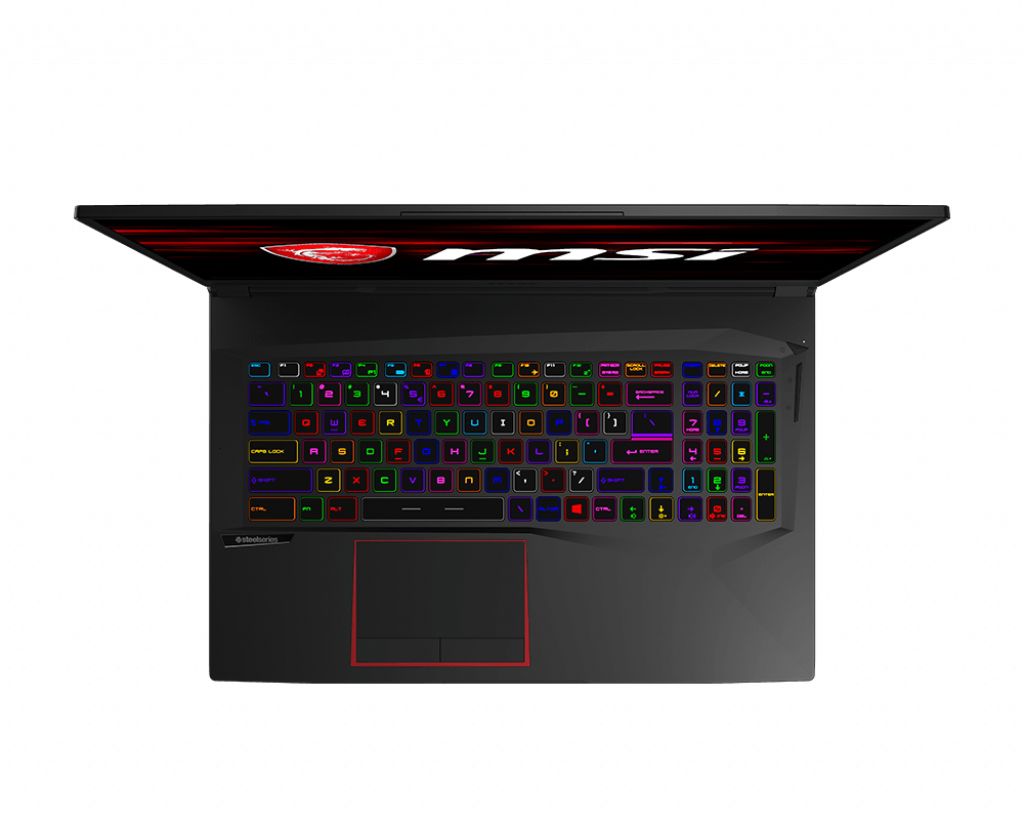


The MSI GE75 9SG-618FR Raider gaming laptop features DDR4-SDRAM memory upgrade capabilities with two SO-DIMM slots supporting a maximum RAM capacity of 64 GB. Compatible memory modules operate at 2666 MHz frequency. The GE series Gaming model specifications allow for memory expansion through standard SO-DIMM form factor upgrades, enabling users to enhance system performance by installing additional compatible RAM modules up to the maximum supported capacity. Memory upgrade slots accommodate dual module configurations for this MSI Raider platform.
Memory Upgrade Specifications
| Specification | Value |
|---|---|
| Memory slots | 2x SO-DIMM |
| Form factor | SO-DIMM |
| Memory type | DDR4-SDRAM |
| Frequency | 2666 MHz |
| Maximum RAM | 64 GB |
| Voltage | 1.2V |
| Number of pins | 260-pin |
| Interface | PC4 |
| PC Speed Rating | PC4-2666 (PC4-21328) |
| Bandwidth | 21.3 GB/s |
| Laptop Release date | 28 June 2019 |
Additional Notes
- The 2666 MHz frequency represents the JEDEC standard speed for this generation, meaning compatible modules rated at higher speeds like 3200 MHz will automatically downclock to match the chipset's native support without manual intervention.
- The MSI GE75 9SG-618FR Raider uses a dual-channel memory architecture where both SO-DIMM slots must contain identical capacity modules to maintain symmetrical bandwidth, as asymmetric configurations will force single-channel operation and reduce throughput by approximately 50 percent.
- Reaching the 64 GB ceiling requires two 32 GB SO-DIMM modules, which remain less common in the aftermarket than 16 GB variants and typically command a significant price premium per gigabyte.
- The SO-DIMM form factor limits module height to approximately 30 millimeters, preventing installation of standard desktop DIMM modules which measure 133 millimeters in length and use incompatible pin configurations.
- DDR4 voltage specification at 1.2 volts differs from DDR3L's 1.35 volts, making cross-generation module installation physically impossible due to notch repositioning that prevents insertion of incompatible memory types.
- Accessing the memory compartment on this chassis generation typically requires bottom panel removal, where the warranty seal may be absent under EU regulations, though verifying regional warranty terms before disassembly remains advisable.
- Gaming workloads involving asset streaming in modern titles benefit measurably from 32 GB total capacity, as 16 GB configurations may trigger page file access when background applications compete with VRAM-intensive rendering processes.
- The 2666 MHz transfer rate provides 21.3 GB/s theoretical bandwidth per channel, meaning dual-channel operation achieves 42.6 GB/s aggregate throughput when both slots operate synchronously with matched modules.
- Mixing modules with different CAS latencies will force both to operate at the slower timing profile, potentially negating performance gains from higher-quality ICs if paired with budget-oriented modules.
- Non-ECC unbuffered modules represent the only compatible type for this consumer platform, as registered or error-correcting variants designed for server applications will not initialize during POST.