MSI Gaming GE75 9SG-690RU Raider RAM upgrade specifications

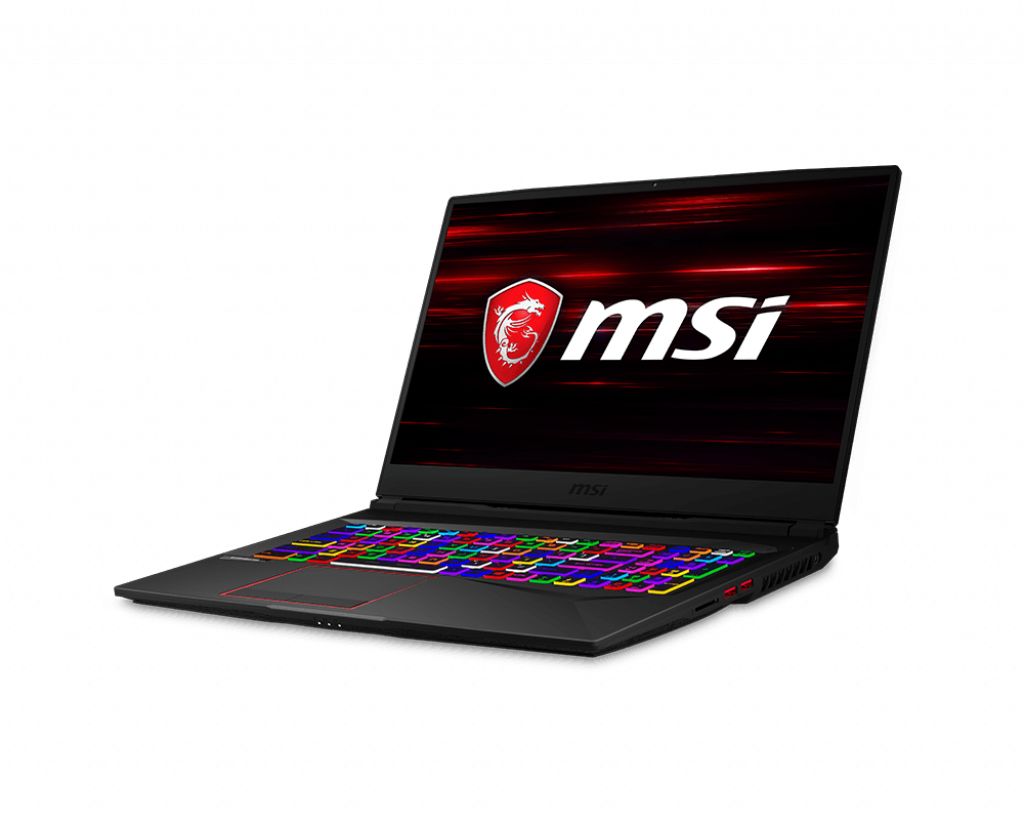
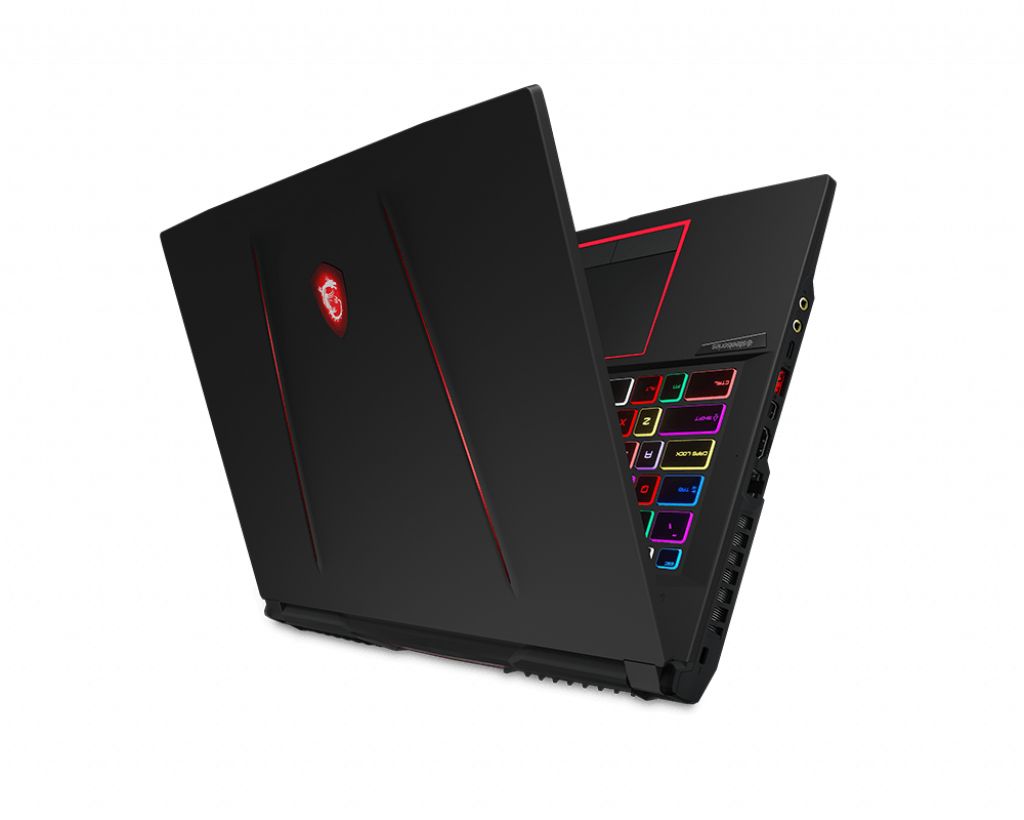
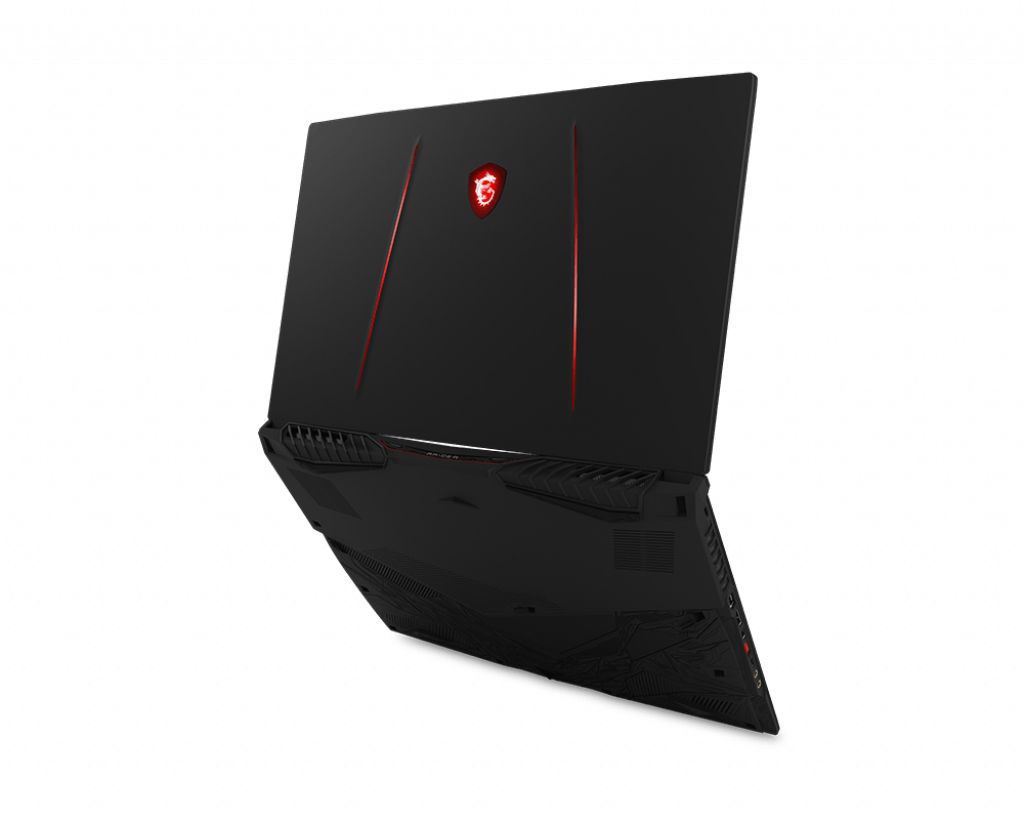
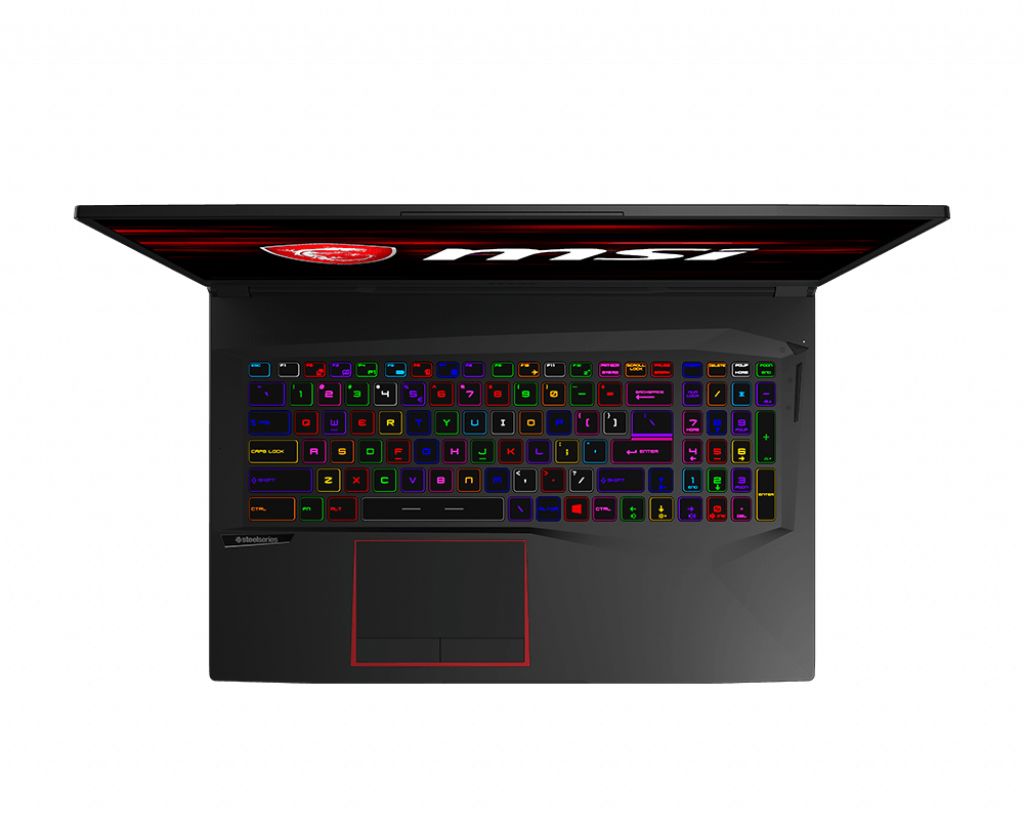
The MSI GE75 9SG-690RU Raider gaming laptop features DDR4-SDRAM memory specifications with two SO-DIMM slots for RAM upgrades. Compatible memory modules operate at 2666 MHz frequency. Maximum supported capacity reaches 64 GB total, allowing users to expand beyond factory-installed configurations. SO-DIMM form factor modules are required for compatibility with the GE series Raider model. Specifications support dual-channel memory architecture through the available upgrade slots, enabling enhanced multitasking and performance capabilities within the Gaming family designation.
Memory Upgrade Specifications
| Specification | Value |
|---|---|
| Memory slots | 2x SO-DIMM |
| Form factor | SO-DIMM |
| Memory type | DDR4-SDRAM |
| Frequency | 2666 MHz |
| Maximum RAM | 64 GB |
| Voltage | 1.2V |
| Number of pins | 260-pin |
| Interface | PC4 |
| PC Speed Rating | PC4-2666 (PC4-21328) |
| Bandwidth | 21.3 GB/s |
| Laptop Release date | 16 August 2019 |
Additional Notes
- The MSI GE75 9SG-690RU Raider architecture supports dual-channel memory configuration through its 2 physical slots, enabling bandwidth doubling when modules operate in matched pairs.
- The 2666 MHz specification represents the native JEDEC standard speed, which imposes a ceiling on effective data transfer rates regardless of module rated speeds, as higher frequency DIMMs will downclock to match platform limitations.
- The 64 GB maximum capacity constraint originates from chipset addressing limitations, meaning 32 GB modules represent the largest supported density per slot under current system firmware.
- SO-DIMM form factor compatibility excludes standard desktop DIMM modules due to differing physical pin configurations and electrical signaling requirements, creating a strict hardware boundary for component sourcing.
- Installation preserves manufacturer warranty protection since memory slots remain user-accessible without breaking tamper-evident seals typically placed over internal components.
- Mixing module capacities across slots maintains functional operation but eliminates dual-channel mode symmetry, reducing theoretical bandwidth availability compared to identical module pairing.
- The DDR4 standard backward compatibility does not extend to DDR3 or earlier generations due to voltage incompatibility and notch positioning differences that prevent physical insertion.
- Achieving the full 64 GB threshold requires sourcing the current maximum density modules available in SO-DIMM packaging, as lower density options necessitate more than 2 slots to reach equivalent capacity.
- Non-ECC unbuffered modules represent the compatible memory architecture, as registered or error-correcting variants designed for server platforms will not initialize properly in consumer mobile chipsets.