MSI Gaming GE75 9SG-826 Raider RAM upgrade specifications
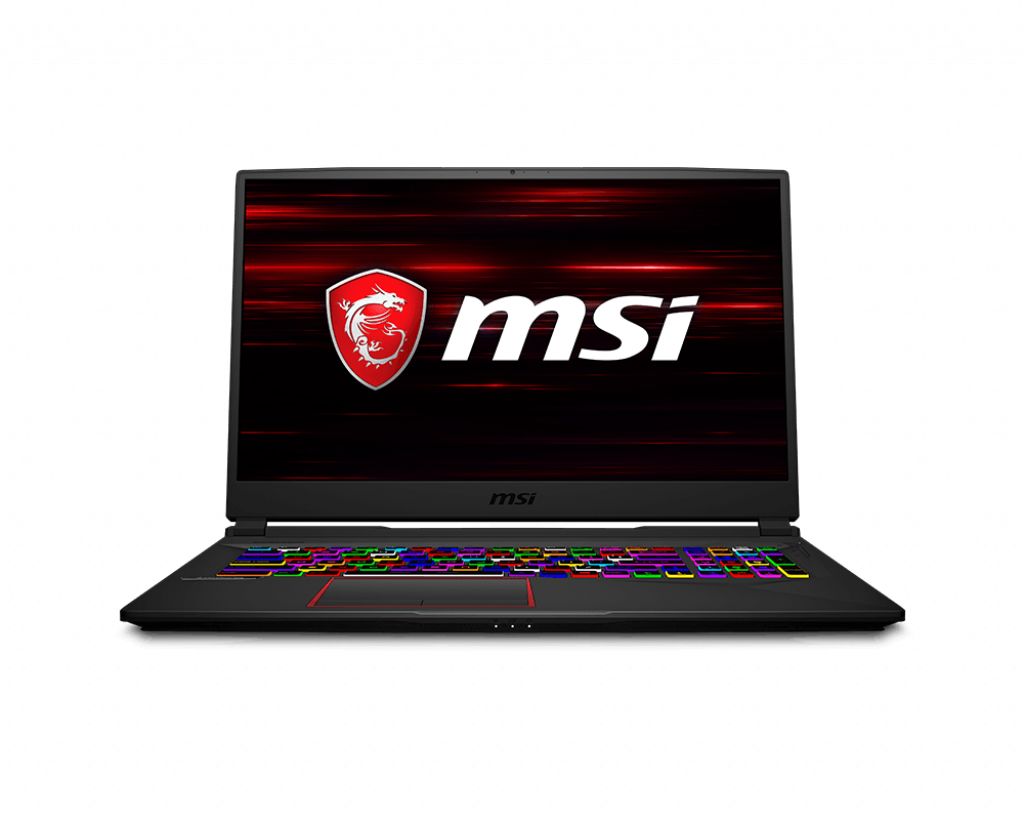
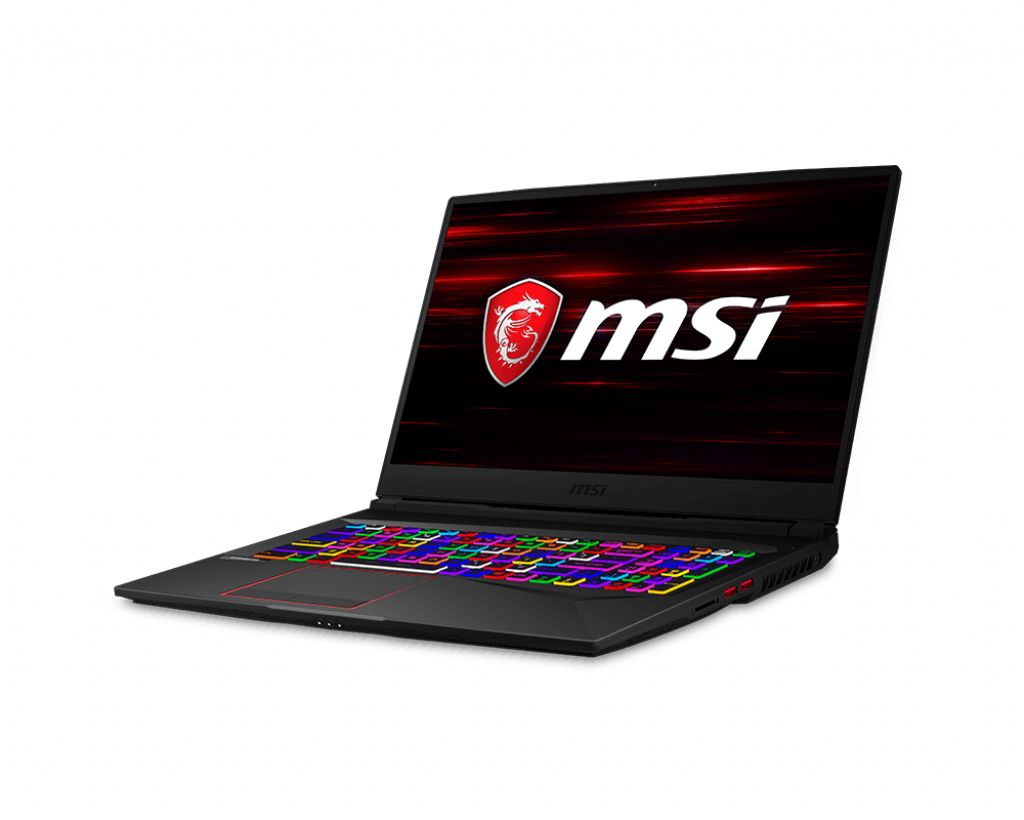
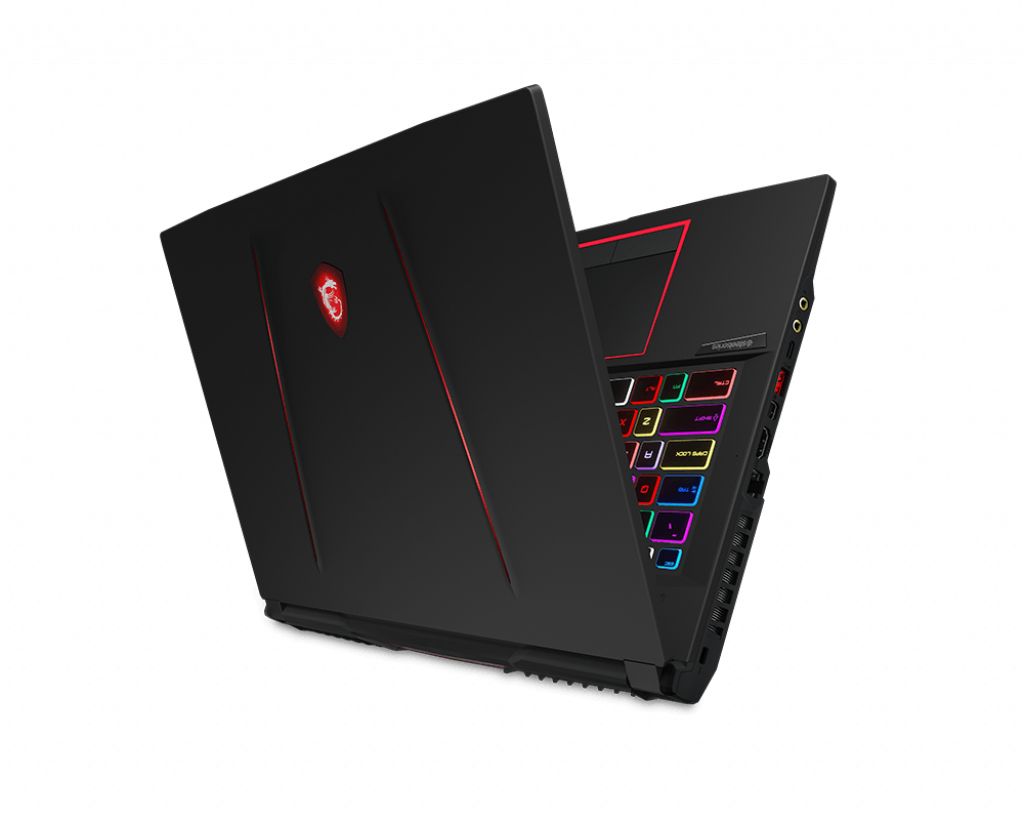
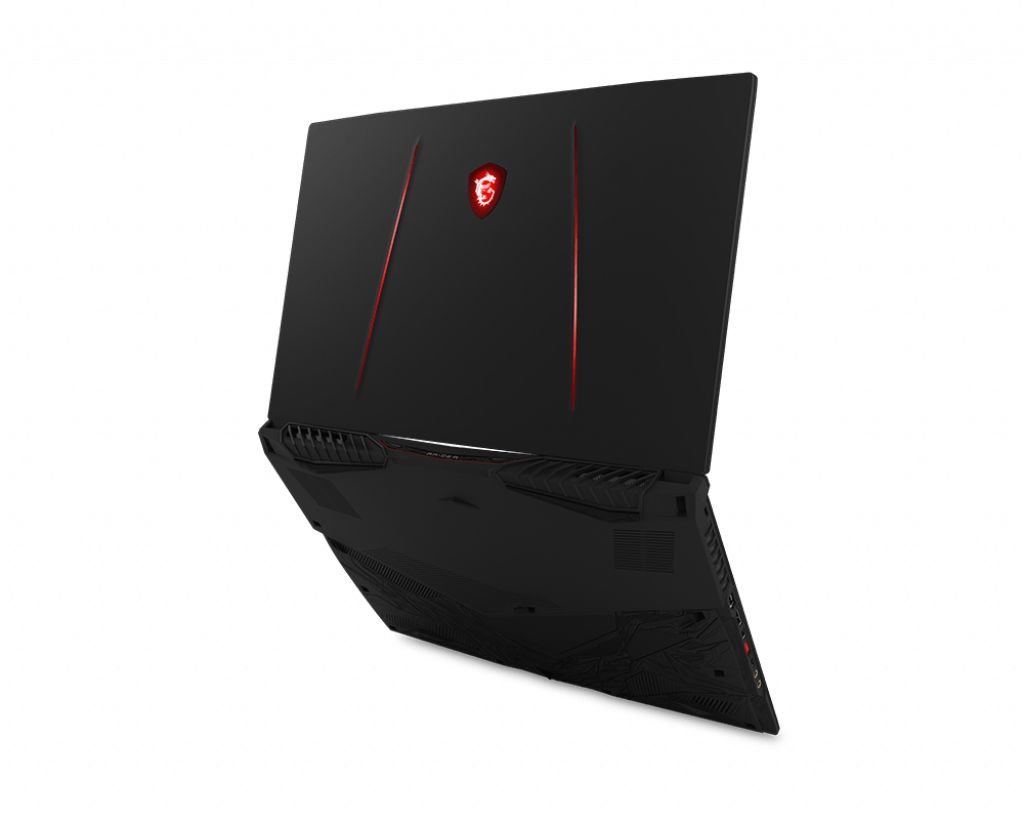
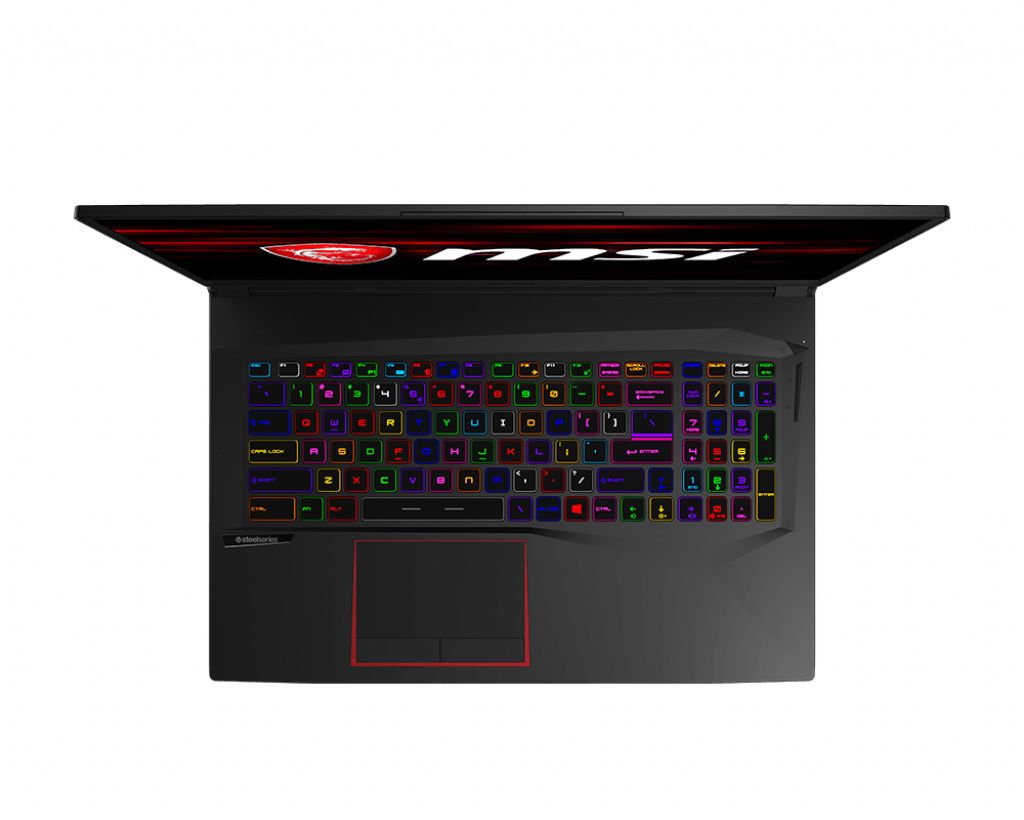
The MSI GE75 9SG-826 Raider gaming laptop features DDR4-SDRAM memory with 2x SO-DIMM slots for RAM upgrades. The Gaming GE series supports maximum memory capacity of 64 GB total. Compatible memory modules operate at 2666 MHz frequency and utilize SO-DIMM form factor. Specifications indicate upgrade potential for users seeking to expand the laptop's memory beyond factory-installed configuration. The upgrade slots accommodate standard DDR4 memory modules compatible with the Raider platform specifications.
Memory Upgrade Specifications
| Specification | Value |
|---|---|
| Memory slots | 2x SO-DIMM |
| Form factor | SO-DIMM |
| Memory type | DDR4-SDRAM |
| Frequency | 2666 MHz |
| Maximum RAM | 64 GB |
| Voltage | 1.2V |
| Number of pins | 260-pin |
| Interface | PC4 |
| PC Speed Rating | PC4-2666 (PC4-21328) |
| Bandwidth | 21.3 GB/s |
| Laptop Release date | 07 September 2019 |
Additional Notes
- The MSI GE75 9SG-826 Raider accepts only 32 GB per slot, meaning maximum theoretical capacity of 64 GB requires both slots populated with matched 32 GB modules. Mismatched capacity configurations (for example, 16 GB plus 32 GB) will function but leave upgrade headroom unused.
- DDR4-2666 MHz specification indicates memory bandwidth ceiling of approximately 42.7 GB/s per channel. Pairing faster DDR4 modules (3000 MHz or higher) will not increase effective throughput; the system will downclock to 2666 MHz, resulting in wasted purchase premium on higher-speed variants.
- SO-DIMM form factor requires laptop-specific modules rather than standard desktop DDR4 DIMMs. Sourcing incompatible desktop memory will physically prevent installation, making vendor verification critical before purchase.
- The 2-slot architecture permits only 1 additional module installation if a single upgrade from factory configuration occurs. Subsequent expansion to 64 GB requires replacing the existing module entirely rather than adding a third or fourth slot.
- Latency performance between existing installed memory and upgrade modules affects dual-channel stability. Mixing different manufacturers or production batches (even with matching speed and capacity) may trigger intermittent boot failures or memory errors under load, necessitating identical module specifications for reliability.
- BIOS firmware updates released after system manufacture may unlock higher frequency profiles or improve compatibility with newer DDR4 batches, but the memory controller architecture will not support speeds exceeding 2666 MHz natively.