MSI Gaming GE75 9SG-878RU Raider RAM upgrade specifications
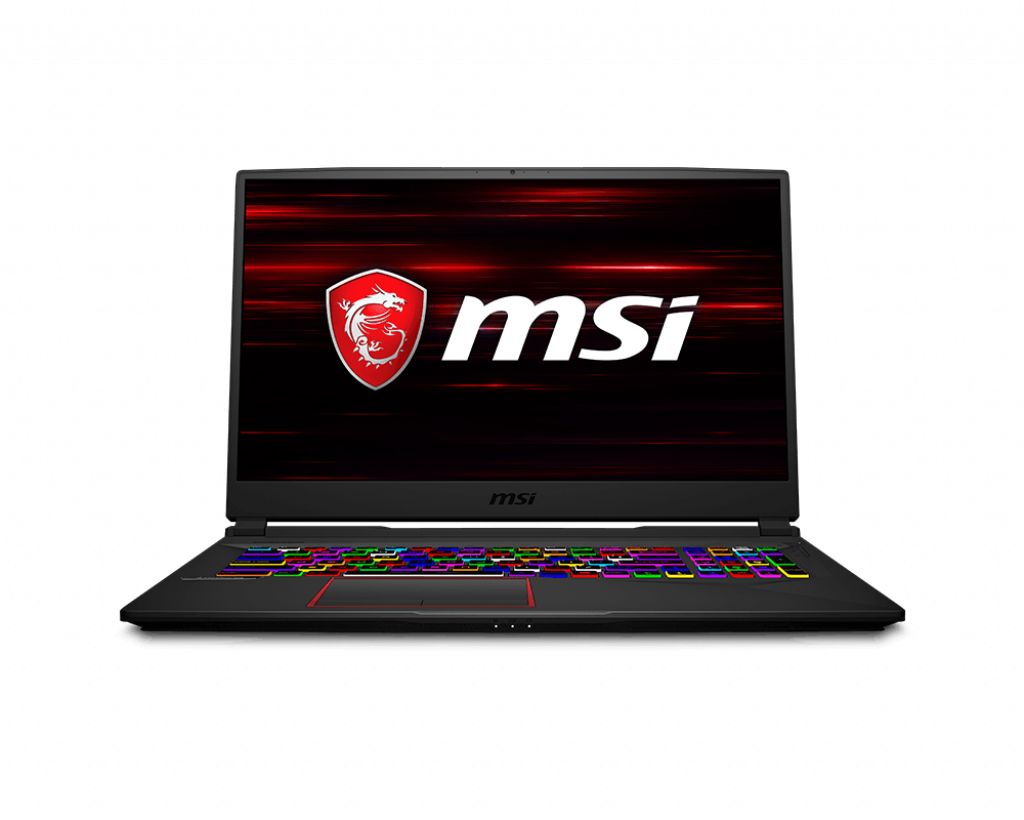
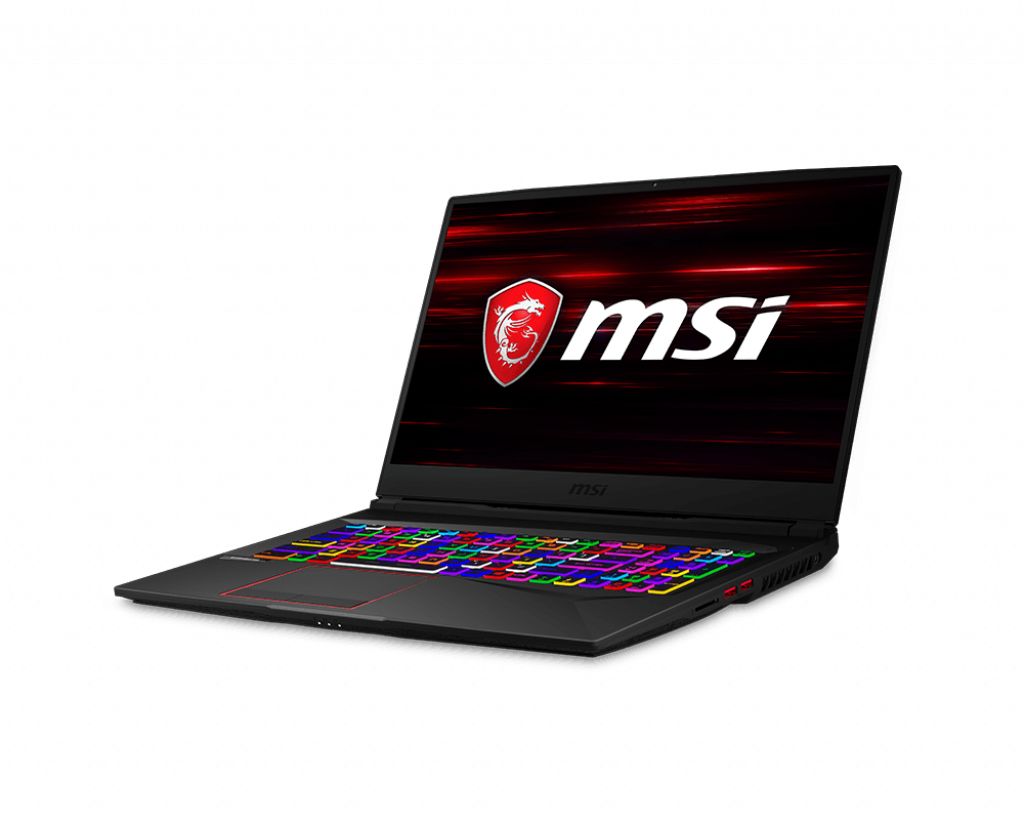
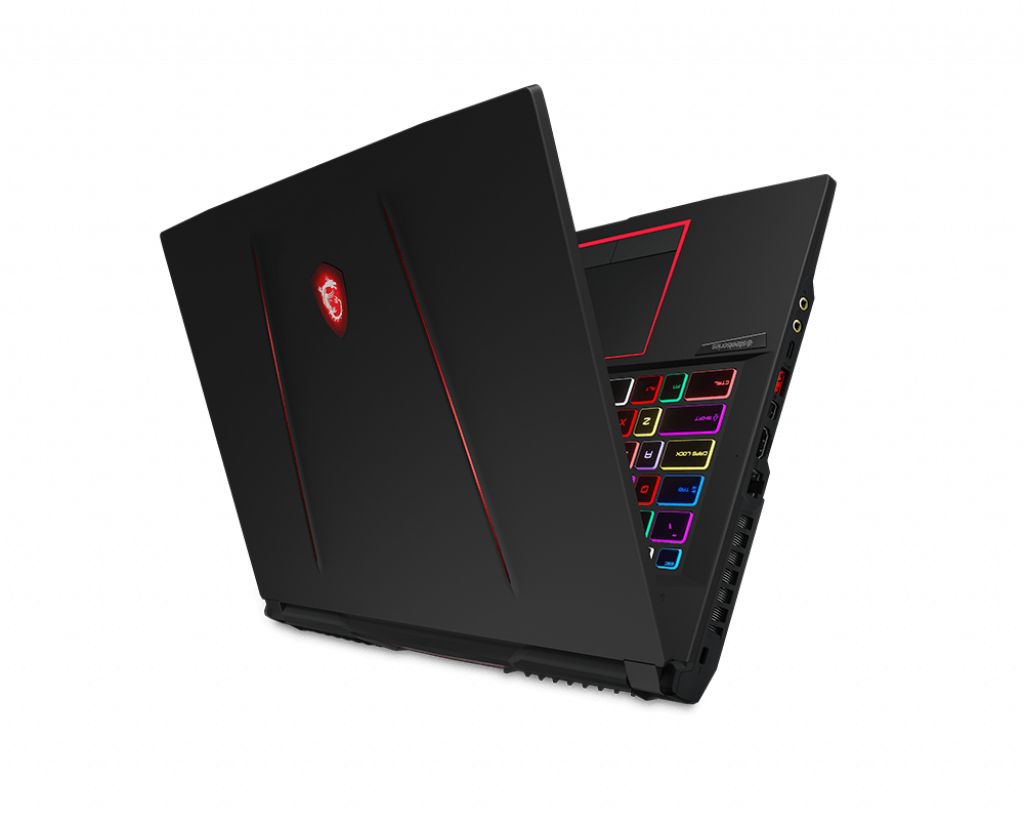
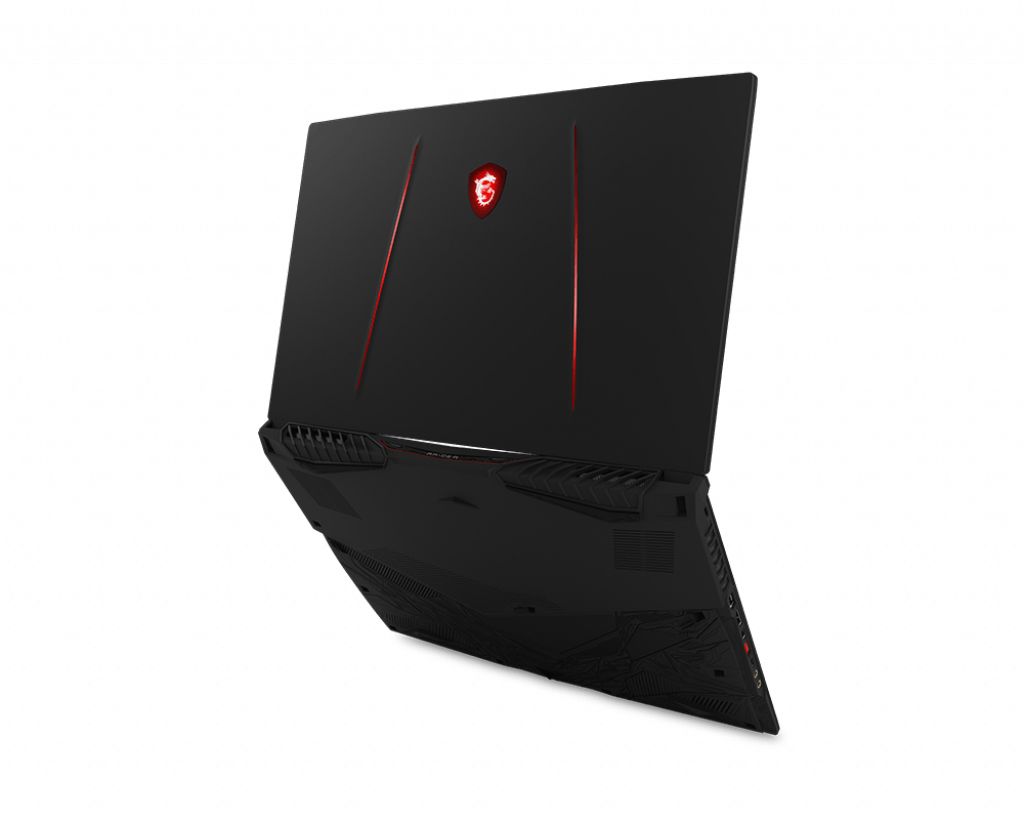
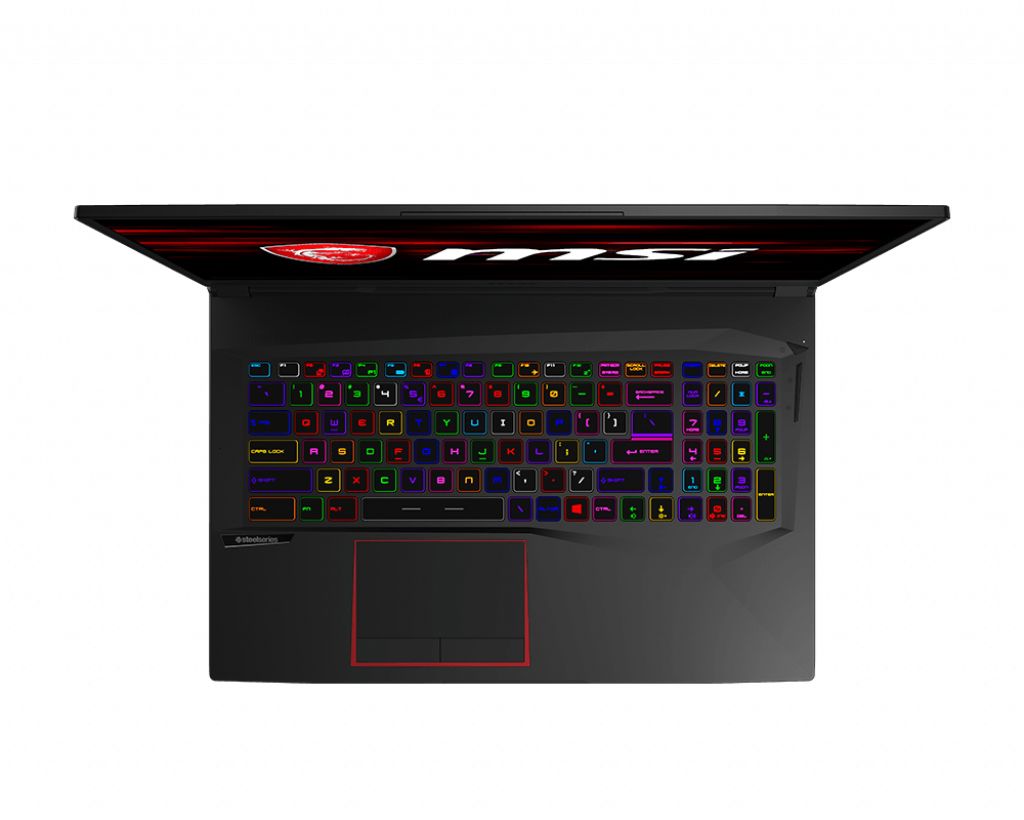
MSI GE75 9SG-878RU Raider gaming laptop supports DDR4-SDRAM memory upgrades through two SO-DIMM slots. The maximum RAM capacity reaches 64 GB total. Compatible memory modules operate at 2666 MHz frequency. Specifications indicate the GE series Raider model accommodates SO-DIMM form factor memory upgrades for enhanced system performance and multitasking capabilities.
Memory Upgrade Specifications
| Specification | Value |
|---|---|
| Memory slots | 2x SO-DIMM |
| Form factor | SO-DIMM |
| Memory type | DDR4-SDRAM |
| Frequency | 2666 MHz |
| Maximum RAM | 64 GB |
| Voltage | 1.2V |
| Number of pins | 260-pin |
| Interface | PC4 |
| PC Speed Rating | PC4-2666 (PC4-21328) |
| Bandwidth | 21.3 GB/s |
| Laptop Release date | 16 August 2019 |
Additional Notes
- The MSI GE75 9SG-878RU Raider supports only 2 memory slots, which eliminates any future modularity in capacity expansion beyond the 64 GB ceiling. Once both slots are populated, no additional RAM capacity can be added without replacing existing modules.
- DDR4-2666 MHz specification indicates the system operates at a lower standard frequency than contemporary DDR4-3200 or DDR4-3600 modules. Installing higher-frequency RAM will result in automatic downclocking to 2666 MHz, negating performance gains from premium memory.
- SO-DIMM form factor restricts upgrade options to laptop-grade memory modules rather than desktop counterparts. This specification also confirms the memory is soldered to a removable SO-DIMM carrier rather than integrated into the motherboard, enabling warranty-compliant replacement and upgrades through standard memory module swaps.
- Upgrading from stock configuration to 64 GB maximum capacity requires replacing both memory modules simultaneously, as the 2-slot architecture does not support asymmetric or mixed-capacity configurations for optimal dual-channel performance.
- DDR4-2666 bandwidth operates at approximately 21.3 GB/s per channel, which may create latency constraints under sustained multitasking or content creation workloads that demand higher memory throughput, particularly when coupled with discrete GPU operations.