MSI Gaming GE75 9SG-835FR Raider RAM upgrade specifications



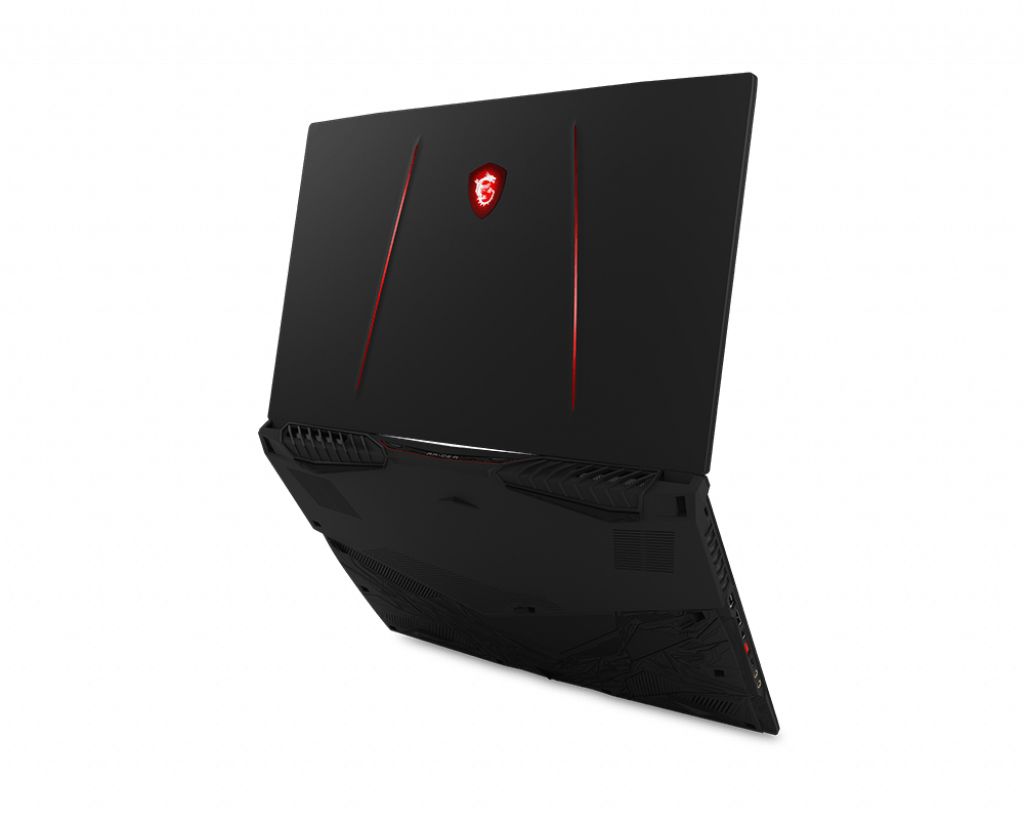

The MSI GE75 9SG-835FR Raider gaming laptop supports DDR4-SDRAM memory upgrades with two SO-DIMM slots. The upgrade specifications permit a maximum RAM capacity of 64 GB total, operating at 2666 MHz frequency. Compatible memory modules utilize the SO-DIMM form factor, standard for laptop configurations. The GE series Raider model accommodates memory expansion through its dual-slot architecture, enabling users to upgrade from factory configurations to the specified maximum capacity for enhanced system performance.
Memory Upgrade Specifications
| Specification | Value |
|---|---|
| Memory slots | 2x SO-DIMM |
| Form factor | SO-DIMM |
| Memory type | DDR4-SDRAM |
| Frequency | 2666 MHz |
| Maximum RAM | 64 GB |
| Voltage | 1.2V |
| Number of pins | 260-pin |
| Interface | PC4 |
| PC Speed Rating | PC4-2666 (PC4-21328) |
| Bandwidth | 21.3 GB/s |
| Laptop Release date | 06 November 2019 |
Additional Notes
- The 2666 MHz frequency specification indicates this MSI GE75 9SG-835FR Raider configuration runs at JEDEC standard speeds rather than XMP profiles, which means timing stability takes priority over maximum performance headroom.
- SO-DIMM slot accessibility requires bottom panel removal, which typically involves 10 to 12 screws and careful ribbon cable management to avoid damage during the upgrade process.
- The 2 slot configuration necessitates complete module replacement rather than incremental additions when upgrading, making partial capacity increases inefficient.
- Dual-channel architecture requires matched memory modules in both slots to avoid reverting to single-channel mode, which would halve theoretical bandwidth from 42.7 GB/s to 21.3 GB/s.
- The 64 GB ceiling suggests Intel 9th generation platform compatibility, where 32 GB modules represent the per-slot maximum supported by the memory controller.
- DDR4-2666 represents the locked speed ceiling regardless of module rated speeds, meaning DDR4-3200 modules would automatically downclock to 2666 MHz without performance benefit.
- Non-ECC unbuffered modules are mandatory for SO-DIMM laptop implementations, as server-grade registered or error-correcting variants physically incompatible with consumer mobile platforms.
- Mixing modules with different latency timings forces the memory controller to adopt the slower timing profile across both channels, potentially degrading responsiveness in latency-sensitive workloads.
- The thermal design assumes standard height SO-DIMMs without extended heat spreaders, which could create clearance interference with the bottom panel assembly.
- Warranty preservation requires avoiding voltage modifications beyond 1.2V standard DDR4 specification, as overvoltage attempts may leave detectable traces in firmware logs.