MSI Gaming GE75 9SG-817ES Raider RAM upgrade specifications



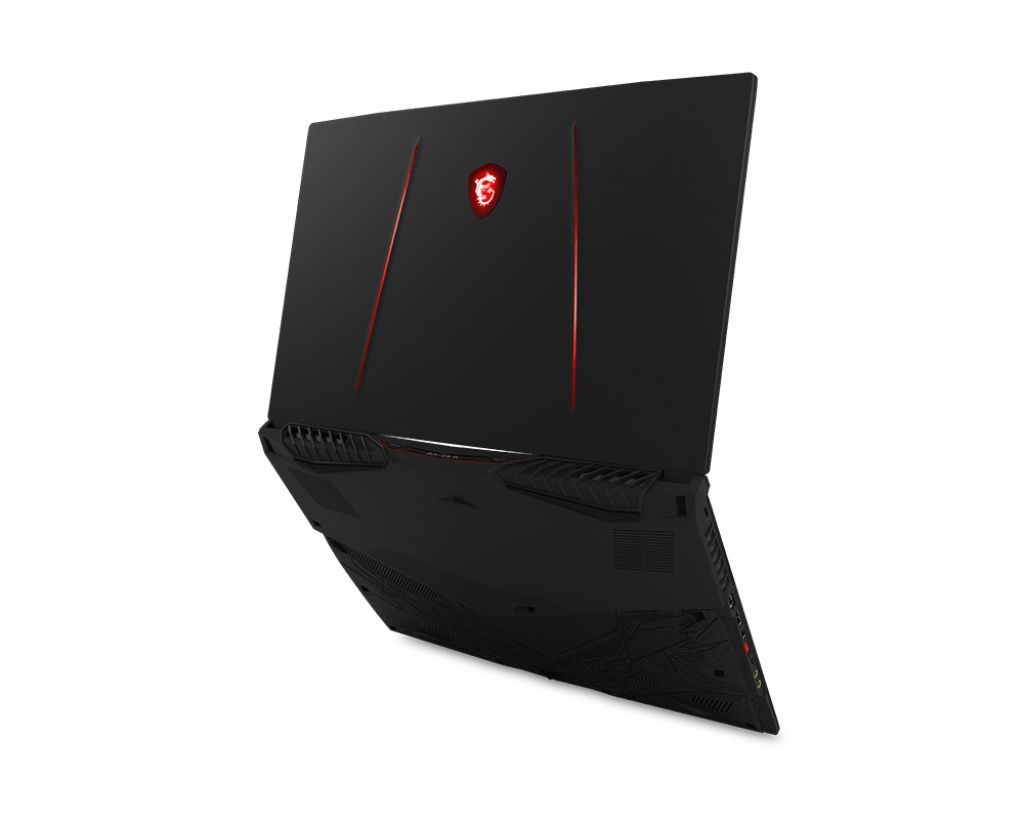

The MSI GE75 9SG-817ES Raider Gaming series laptop features DDR4-SDRAM memory upgrade specifications with two SO-DIMM slots for maximum capacity expansion. Compatible memory upgrades support up to 64 GB total RAM at 2666 MHz frequency. Specifications indicate SO-DIMM form factor compatibility for RAM upgrade installations on the GE75 9SG-817ES Raider model.
Memory Upgrade Specifications
| Specification | Value |
|---|---|
| Memory slots | 2x SO-DIMM |
| Form factor | SO-DIMM |
| Memory type | DDR4-SDRAM |
| Frequency | 2666 MHz |
| Maximum RAM | 64 GB |
| Voltage | 1.2V |
| Number of pins | 260-pin |
| Interface | PC4 |
| PC Speed Rating | PC4-2666 (PC4-21328) |
| Bandwidth | 21.3 GB/s |
| Laptop Release date | 22 June 2019 |
Additional Notes
- The 64 GB ceiling indicates chipset-level memory controller constraints rather than physical slot limitations, preventing future expansion beyond this threshold regardless of higher-capacity module availability.
- The 2666 MHz frequency represents the maximum officially supported speed for this Intel 9th generation mobile platform, with higher-rated modules automatically downclocking to this specification.
- DDR4 SO-DIMM modules operating at frequencies exceeding 2666 MHz will not provide performance gains in the MSI GE75 9SG-817ES Raider, as the memory controller enforces this upper boundary.
- Dual-channel architecture requires matched pairs for optimal memory bandwidth, with mismatched modules forcing the controller to operate both channels at the speed and timings of the slower module.
- The SO-DIMM form factor necessitates 260-pin modules specifically, as standard 288-pin DIMM desktop memory maintains physical incompatibility with laptop slots.
- Single-module configurations halve available memory bandwidth by disabling one channel, creating potential bottlenecks in GPU-intensive applications that rely on shared system memory.
- Non-ECC unbuffered modules are required, as registered or error-correcting variants will trigger POST failures or prevent system initialization.
- Voltage specification must remain at 1.2V standard for DDR4, with low-voltage or overclocking-oriented modules potentially causing stability issues or hardware protection triggers.
- Installation requires complete battery disconnection and residual power discharge to prevent potential damage to memory controller circuits during module insertion.
- Bottom panel removal exposes both slots simultaneously, eliminating the need for partial disassembly when performing balanced dual-channel installations.
- Manufacturer warranty terms typically permit user-accessible memory upgrades without seal breakage penalties, unlike storage or cooling system modifications.