MSI Gaming GE75 Raider 9SE RAM upgrade specifications


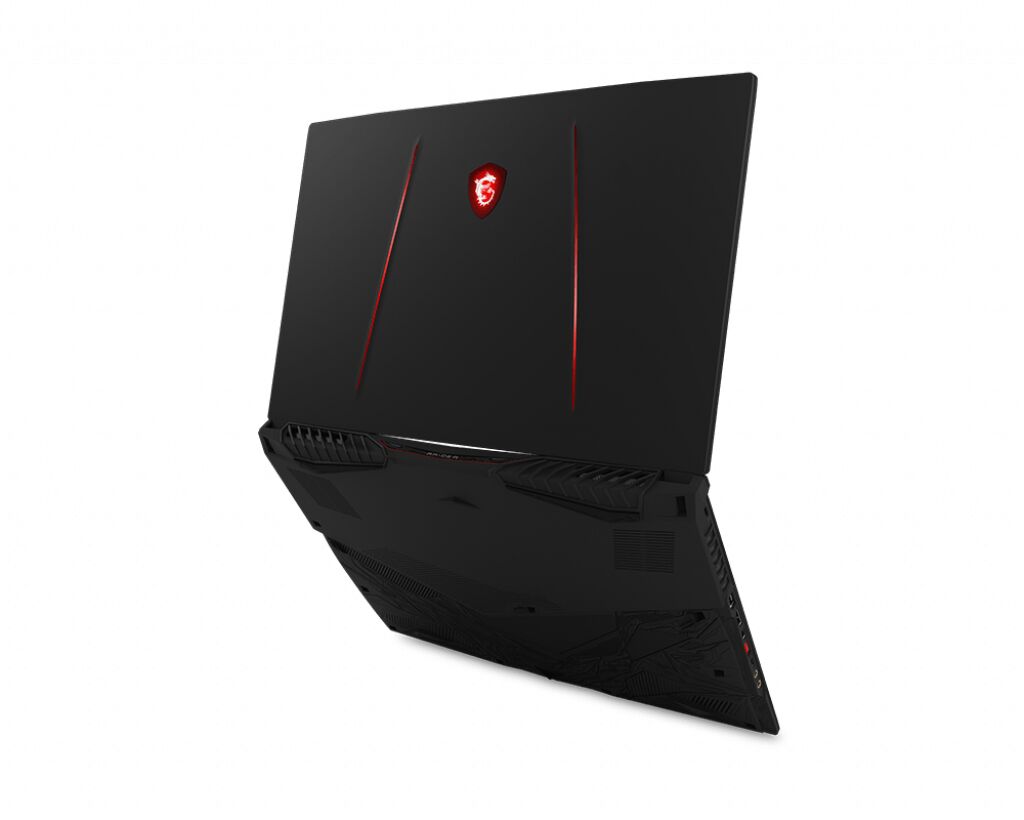
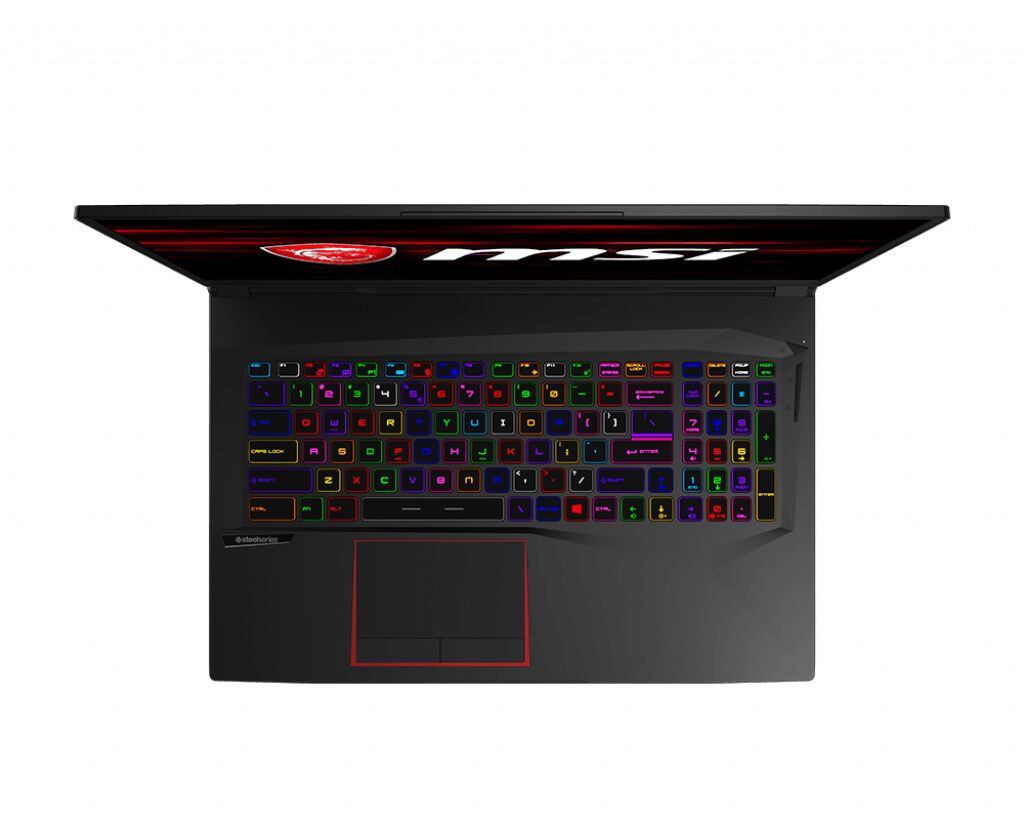

The MSI GE75 Raider 9SE gaming laptop features DDR4-SDRAM memory specifications with two SO-DIMM slots for RAM upgrade compatibility. Maximum memory capacity reaches 64 GB total, with support for DDR4 modules operating at 2666 MHz frequency. The upgrade slots accommodate standard SO-DIMM form factor memory modules, enabling users to expand from factory configurations to the maximum 64 GB specification. Compatible DDR4-SDRAM upgrades must adhere to the 2666 MHz frequency standard and SO-DIMM physical specifications for proper operation in the GE75 Raider 9SE platform.
Memory Upgrade Specifications
| Specification | Value |
|---|---|
| Memory slots | 2x SO-DIMM |
| Form factor | SO-DIMM |
| Memory type | DDR4-SDRAM |
| Frequency | 2666 MHz |
| Maximum RAM | 64 GB |
| Voltage | 1.2V |
| Number of pins | 260-pin |
| Interface | PC4 |
| PC Speed Rating | PC4-2666 (PC4-21328) |
| Bandwidth | 21.3 GB/s |
| Laptop Release date | 12 May 2020 |
Additional Notes
- The 2 SO-DIMM slot configuration in the MSI GE75 Raider 9SE limits maximum capacity scaling to 32 GB per slot, requiring matched high-density modules to reach the 64 GB ceiling.
- DDR4-2666 operates at PC4-21300 bandwidth specification, delivering 21.3 GB/s theoretical maximum throughput per channel in dual-channel configuration.
- Modules exceeding 2666 MHz specification will downclock to match the supported frequency ceiling, wasting premium XMP-rated memory investment.
- The SO-DIMM form factor requirement excludes standard desktop DIMM modules, necessitating laptop-specific components with 260-pin connector architecture.
- Dual-channel memory architecture requires identical module pairing across both slots to avoid reverting to slower single-channel operation mode.
- JEDEC standard DDR4-2666 modules operate at 1.2V, while non-standard higher voltage modules may trigger compatibility failures or thermal throttling.
- Access to both memory slots typically requires complete bottom panel removal, potentially voiding certain warranty terms if damage occurs during user installation.
- Mixed-capacity configurations remain functional but sacrifice performance optimization compared to symmetric matched pairs.
- CAS latency specifications (CL19 vs CL17) at 2666 MHz create measurable differences in memory-bound workloads despite identical clock speeds.
- The platform controller enforces strict SPD validation, rejecting unbuffered ECC SO-DIMMs despite physical compatibility.
- Single-rank versus dual-rank module architecture affects interleaving efficiency, with dual-rank pairs providing minor performance advantages in bandwidth-sensitive applications.