MSI Gaming GE75 Raider 9SF-408ES RAM upgrade specifications


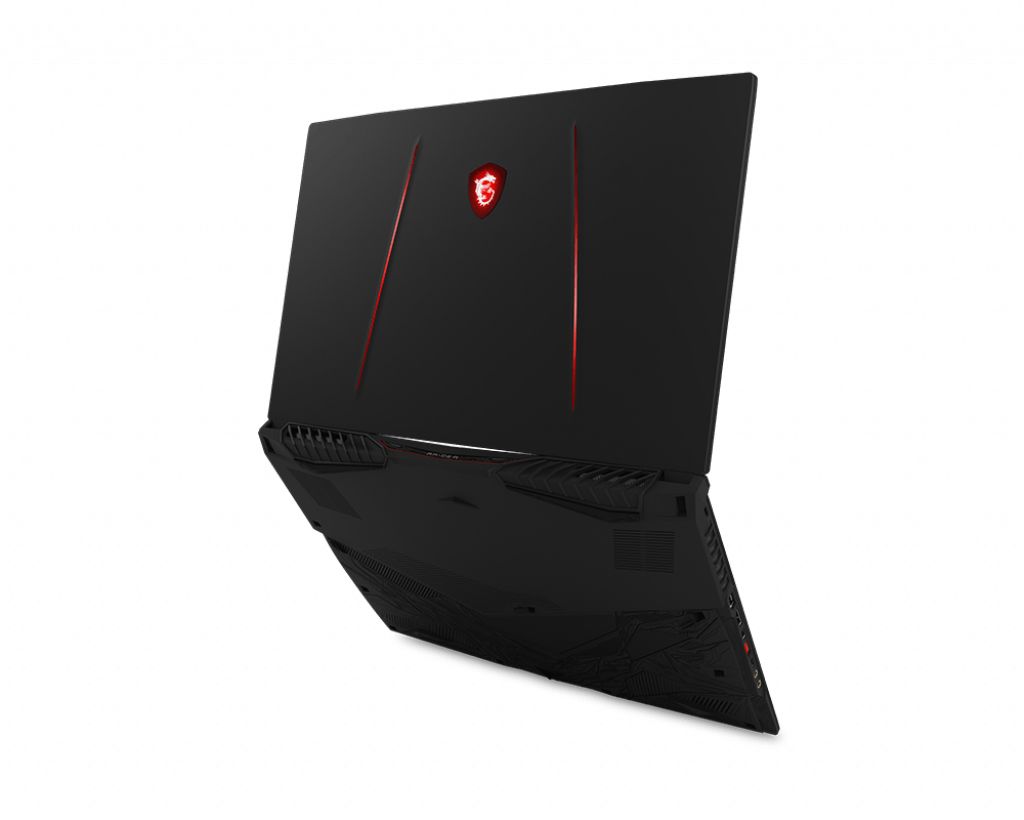
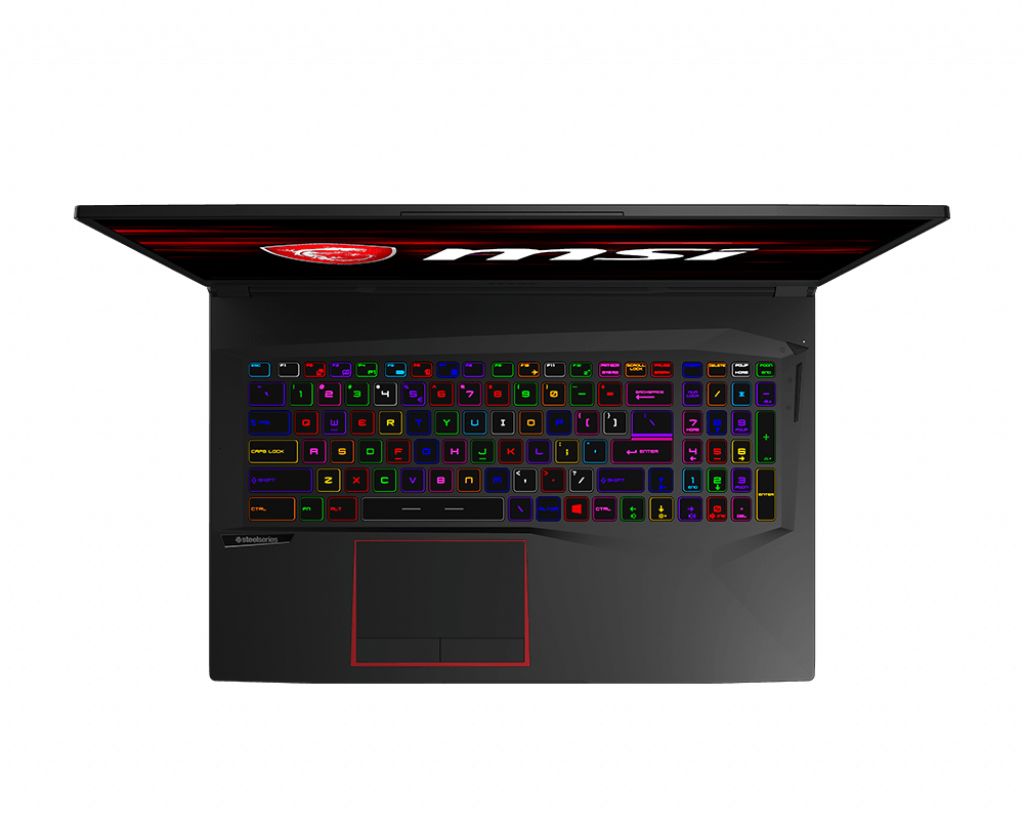

The MSI GE75 Raider 9SF-408ES gaming laptop features two SO-DIMM memory slots supporting DDR4-SDRAM modules at 2666 MHz frequency. The upgrade specifications allow for maximum RAM capacity of 64 GB total. Compatible memory upgrades utilize SO-DIMM form factor modules. The GE series gaming configuration supports DDR4 memory expansion through the two available slots, enabling users to increase system memory capacity from the factory specifications for enhanced performance in the Raider 9SF-408ES model.
Memory Upgrade Specifications
| Specification | Value |
|---|---|
| Memory slots | 2x SO-DIMM |
| Form factor | SO-DIMM |
| Memory type | DDR4-SDRAM |
| Frequency | 2666 MHz |
| Maximum RAM | 64 GB |
| Voltage | 1.2V |
| Number of pins | 260-pin |
| Interface | PC4 |
| PC Speed Rating | PC4-2666 (PC4-21328) |
| Bandwidth | 21.3 GB/s |
| Laptop Release date | 19 April 2019 |
Additional Notes
- The 2666 MHz frequency represents the maximum officially validated speed, though the chipset may support higher frequencies if enabled through XMP profiles in BIOS.
- SO-DIMM slots restrict module height to approximately 30mm, eliminating compatibility with standard desktop DIMM modules that measure 133mm.
- The 2-slot configuration requires 32 GB modules to achieve the 64 GB ceiling, as opposed to 4-slot systems that distribute capacity across smaller modules.
- DDR4 SDRAM operates at 1.2V, consuming less power than DDR3's 1.5V standard while generating reduced thermal output during sustained workloads.
- Mixing modules with different frequencies forces all RAM to operate at the lowest common speed, potentially underutilizing faster modules.
- Non-ECC unbuffered modules are required, as SO-DIMM form factors in consumer laptops lack support for error-correcting or registered memory.
- Dual-channel architecture depends on symmetrical population of both slots with matched capacity modules to maintain maximum bandwidth throughput.
- The MSI GE75 Raider 9SF-408ES memory controller supports single-rank and dual-rank modules, though dual-rank configurations may introduce minor latency variations under specific workloads.
- Warranty preservation typically requires avoiding physical damage to retention clips during module installation, as bent contacts void coverage.
- CAS latency specifications affect real-world performance, with CL19 modules being standard for 2666 MHz DDR4, while tighter timings like CL17 require manual configuration.
- JEDEC-compliant modules ensure baseline compatibility without BIOS adjustments, whereas overclocked modules depend on manufacturer-specific timing tables.
- Thermal throttling becomes probable when operating at maximum capacity under continuous memory-intensive tasks without adequate chassis ventilation.
- Module thickness variations between manufacturers can create clearance issues with bottom panel components in tightly engineered chassis designs.