MSI Gaming GE75 Raider 9SG-1083ES RAM upgrade specifications



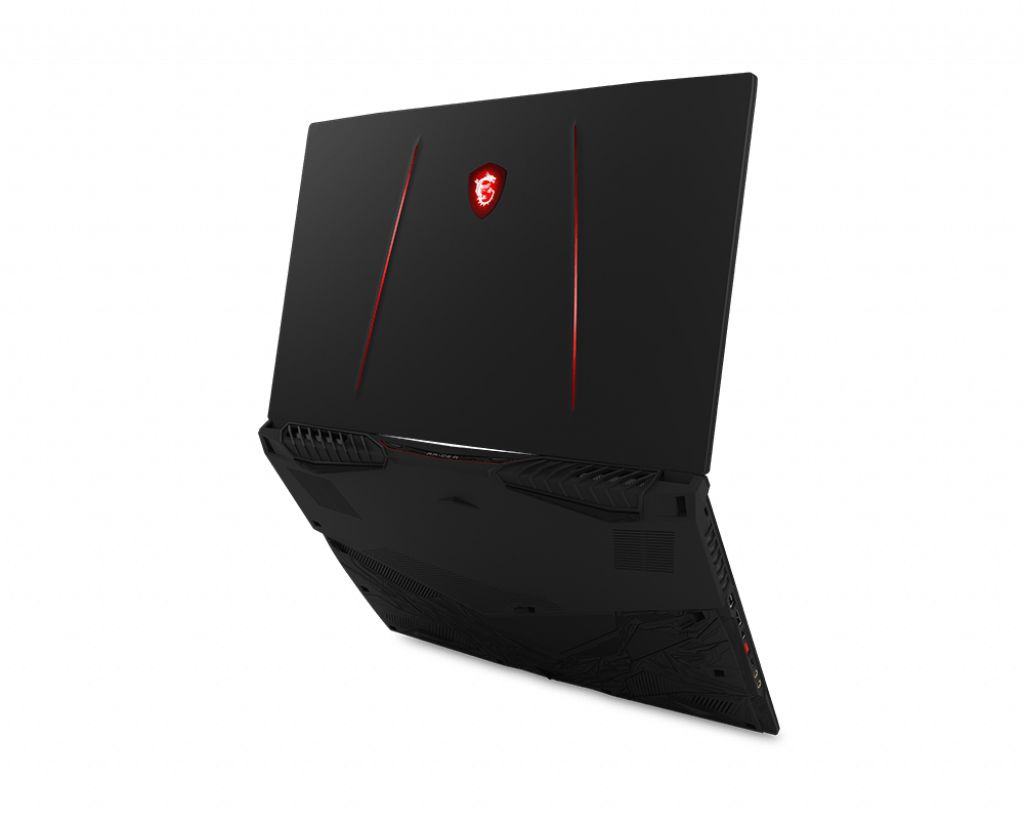
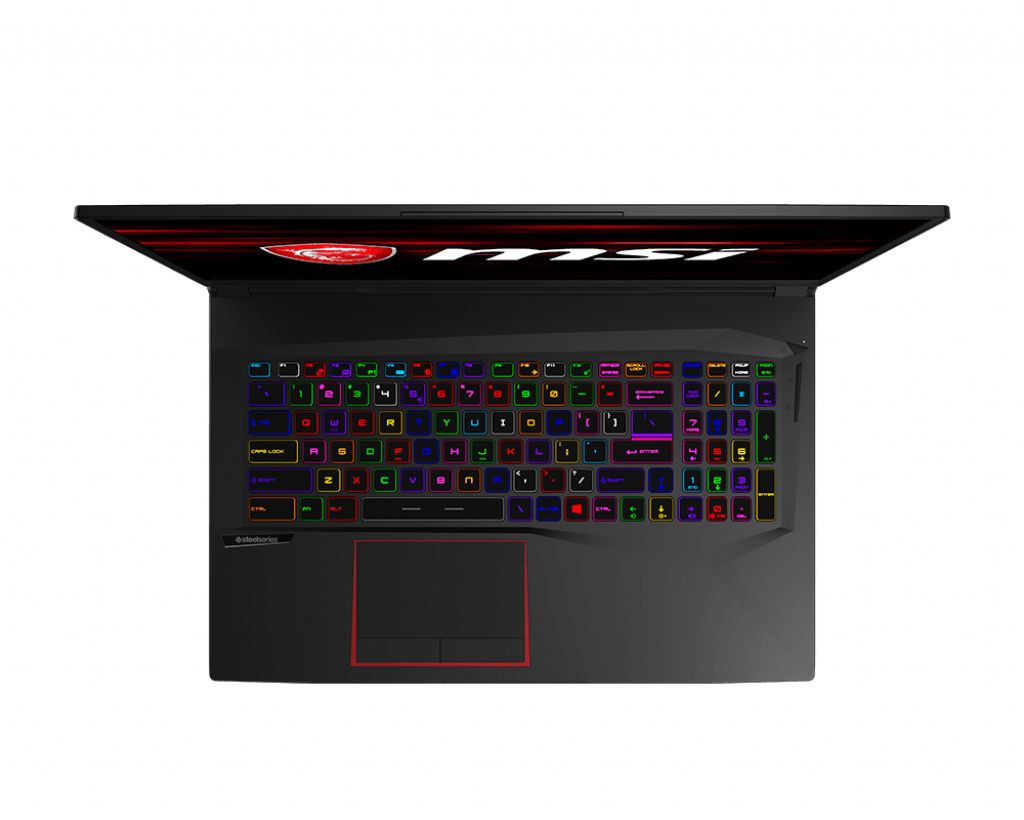
MSI GE75 Raider 9SG-1083ES gaming laptop RAM upgrade specifications indicate compatible DDR4-SDRAM memory modules. The upgrade configuration supports 2x SO-DIMM slots with maximum capacity of 64 GB total memory. Operating frequency rated at 2666 MHz. Specifications detail memory expansion capability and compatible upgrade components for the GE series gaming model.
Memory Upgrade Specifications
| Specification | Value |
|---|---|
| Memory slots | 2x SO-DIMM |
| Form factor | SO-DIMM |
| Memory type | DDR4-SDRAM |
| Frequency | 2666 MHz |
| Maximum RAM | 64 GB |
| Voltage | 1.2V |
| Number of pins | 260-pin |
| Interface | PC4 |
| PC Speed Rating | PC4-2666 (PC4-21328) |
| Bandwidth | 21.3 GB/s |
| Laptop Release date | 07 September 2019 |
Additional Notes
- The MSI GE75 Raider 9SG-1083ES utilizes SO-DIMM slots, which restricts upgrade options to laptop-specific memory modules rather than desktop DDR4 variants, eliminating cross-platform component reuse.
- The 2666 MHz frequency specification indicates this system predates DDR4-3200 standardization; aftermarket modules rated at 3200 MHz or higher will downclock to 2666 MHz, negating performance gains from faster memory purchases.
- With 2 memory slots and a 64 GB ceiling, maximum density is constrained to 32 GB per module; configurations exceeding this per-slot capacity will not be recognized by the BIOS regardless of physical installation.
- Populating both SO-DIMM slots with maximum-capacity modules reaches thermal saturation risk in the confined laptop chassis, potentially triggering thermal throttling during sustained gaming workloads due to restricted airflow around memory components.
- Removing factory-installed memory to install third-party modules may void warranty terms; extracting original SO-DIMMs and storing them separately preserves the option to restore factory configuration if warranty service is required.
- The dual-slot architecture creates a memory bandwidth bottleneck if only 1 slot remains populated; single-channel operation reduces effective bandwidth by approximately 40-50% compared to dual-channel, degrading gaming frame rates by 5-15% depending on GPU load.