MSI Gaming GE75 Raider 9SG-407ES RAM upgrade specifications
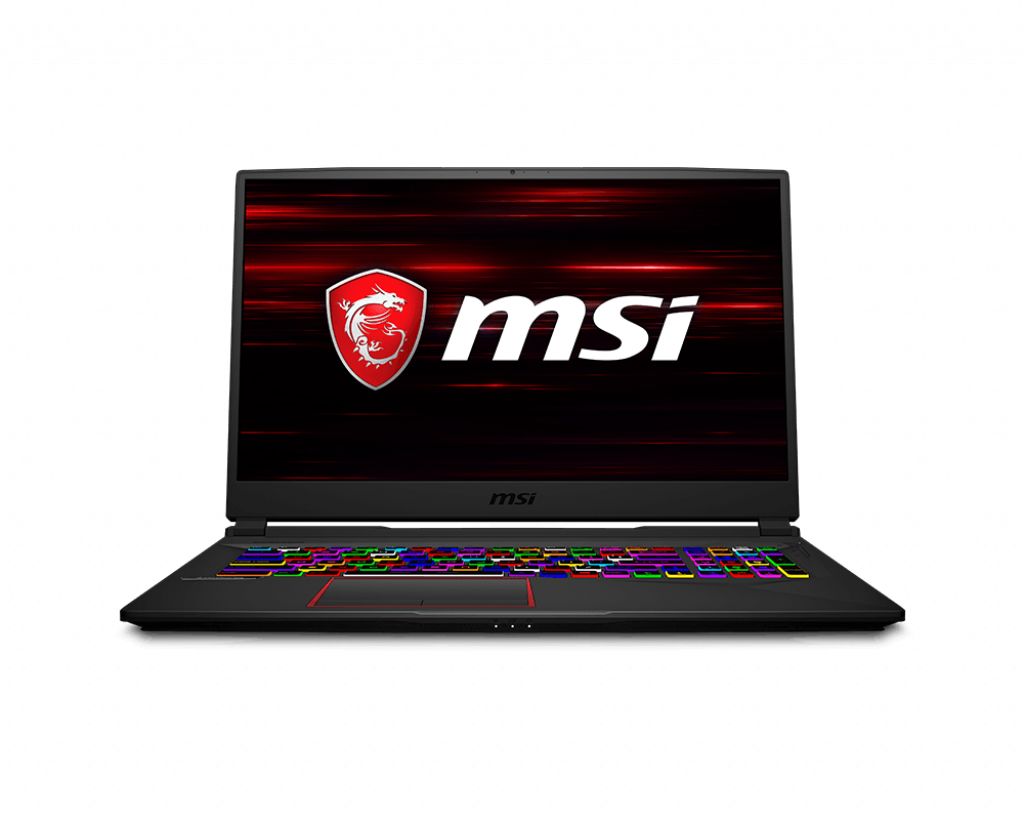
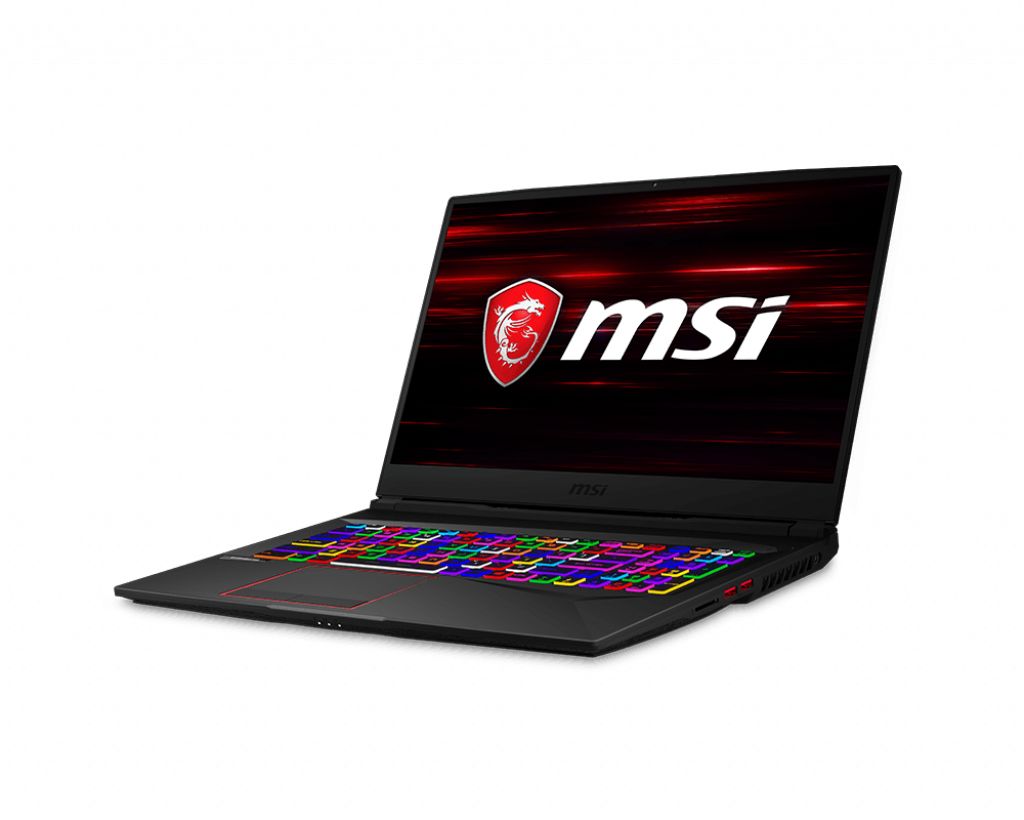


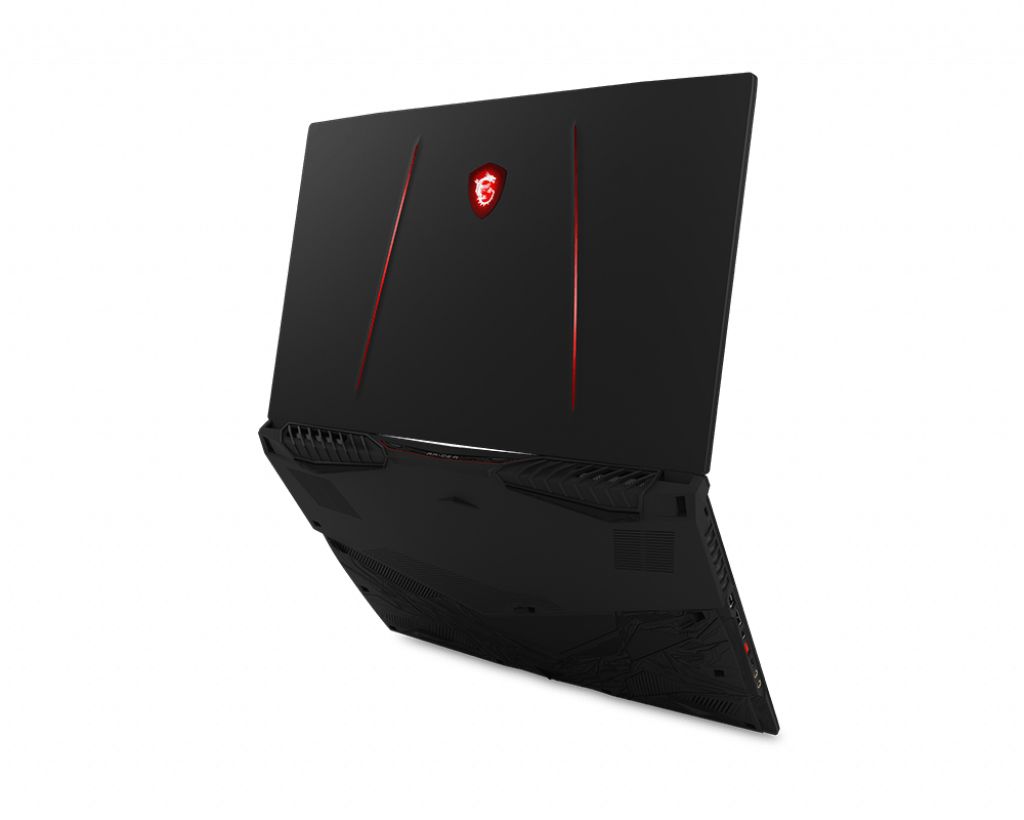
MSI GE75 Raider 9SG-407ES gaming laptop features DDR4-SDRAM memory upgrade specifications with two SO-DIMM slots supporting maximum capacity of 64 GB RAM. Compatible memory operates at 2666 MHz frequency. Upgrade slots accommodate SO-DIMM form factor modules, enabling memory expansion for enhanced system performance. Specifications define upgrade compatibility and maximum memory capacity for the GE series gaming model.
Memory Upgrade Specifications
| Specification | Value |
|---|---|
| Memory slots | 2x SO-DIMM |
| Form factor | SO-DIMM |
| Memory type | DDR4-SDRAM |
| Frequency | 2666 MHz |
| Maximum RAM | 64 GB |
| Voltage | 1.2V |
| Number of pins | 260-pin |
| Interface | PC4 |
| PC Speed Rating | PC4-2666 (PC4-21328) |
| Bandwidth | 21.3 GB/s |
| Laptop Release date | 19 April 2019 |
Additional Notes
- The 2666 MHz frequency specification indicates this MSI GE75 Raider 9SG-407ES requires PC4-21300 modules, which must be matched when adding or replacing memory to prevent automatic downclocking to JEDEC fallback speeds.
- Both SO-DIMM slots support dual-channel architecture, meaning unmatched module capacities or asymmetric configurations will force single-channel operation and reduce memory bandwidth by approximately 50%.
- The 64 GB ceiling requires 2x32 GB density modules, which became widely available only after initial DDR4 production cycles and may require BIOS verification for compatibility before purchase.
- DDR4 SO-DIMM modules operate at 1.2V standard, making DDR3L or DDR3 physically incompatible despite similar pin counts due to notch repositioning that prevents incorrect insertion.
- Access to memory slots typically requires bottom panel removal, which may void certain warranty seals depending on regional consumer protection laws and manufacturer service policies.
- Native 2666 MHz operation depends on Intel 9th generation CPU memory controller support, as lower-tier processors in the same chassis may default to 2400 MHz regardless of installed module ratings.
- Mixing ECC and non-ECC SO-DIMM modules will cause boot failure or force ECC functionality to disable, as consumer-grade chipsets in gaming platforms lack error-correction support.
- Thermal throttling may occur with high-density 32 GB modules during sustained workloads if ambient cooling is insufficient, as increased chip stacking raises operating temperatures compared to 8 GB or 16 GB configurations.