MSI Gaming GE76 10UG-488ES Dragon Tiamat RAM upgrade specifications
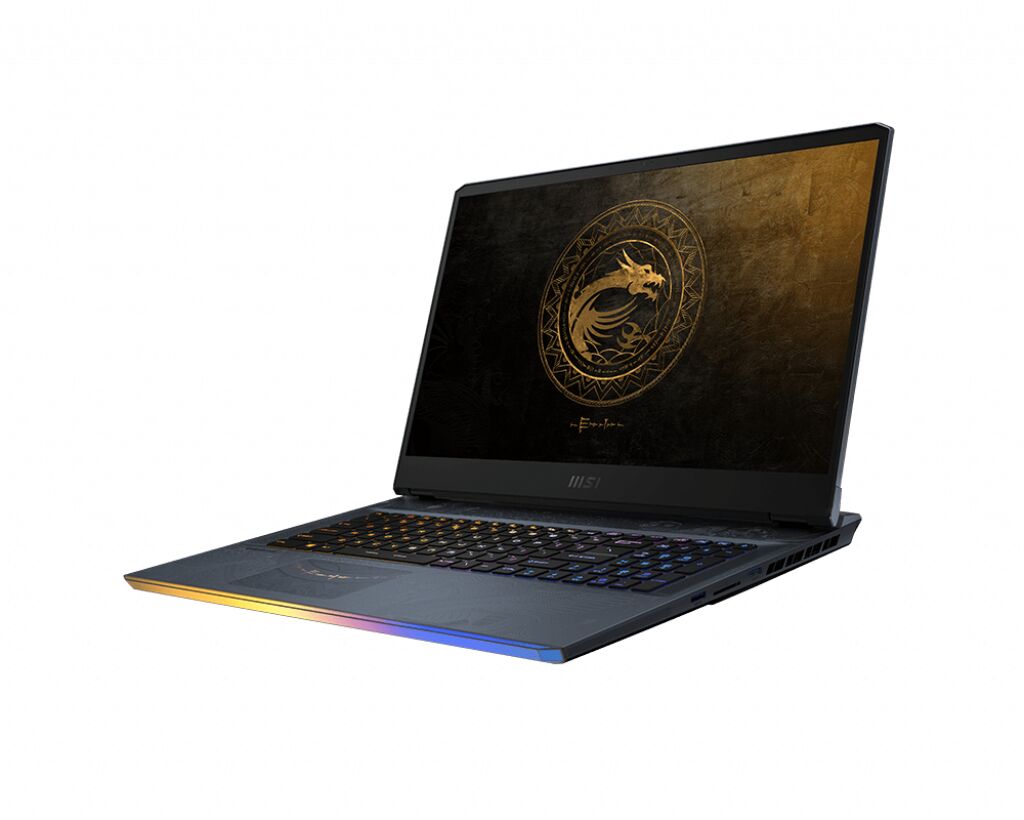
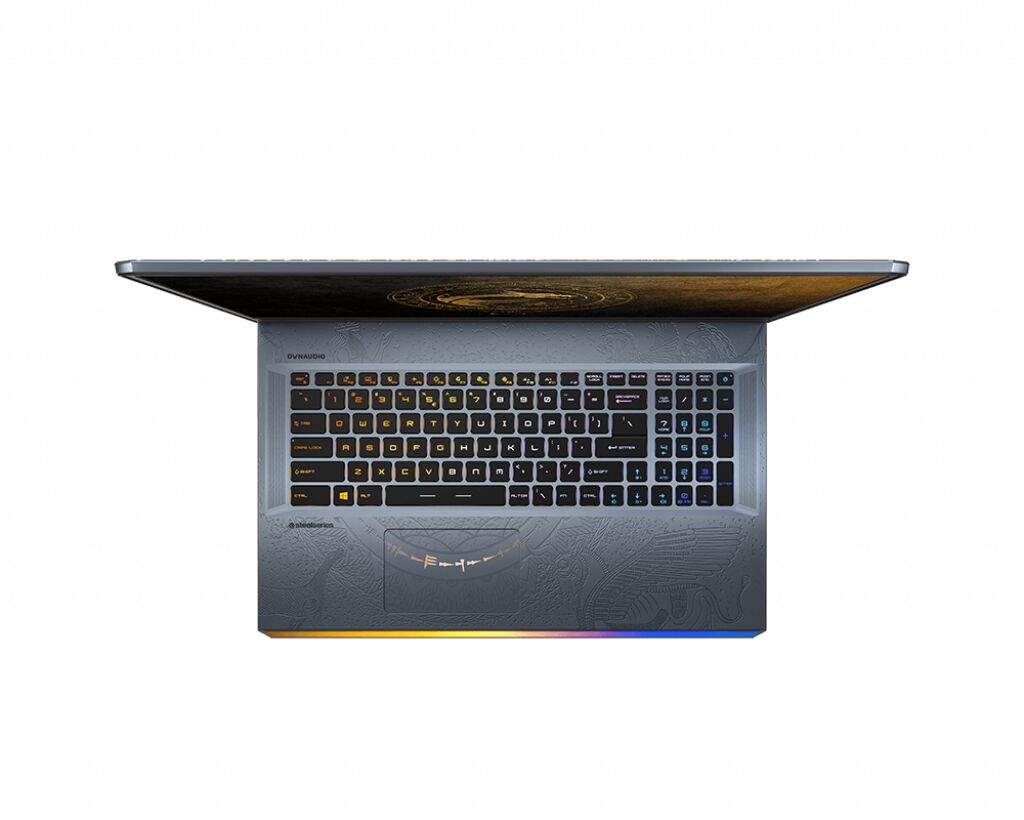
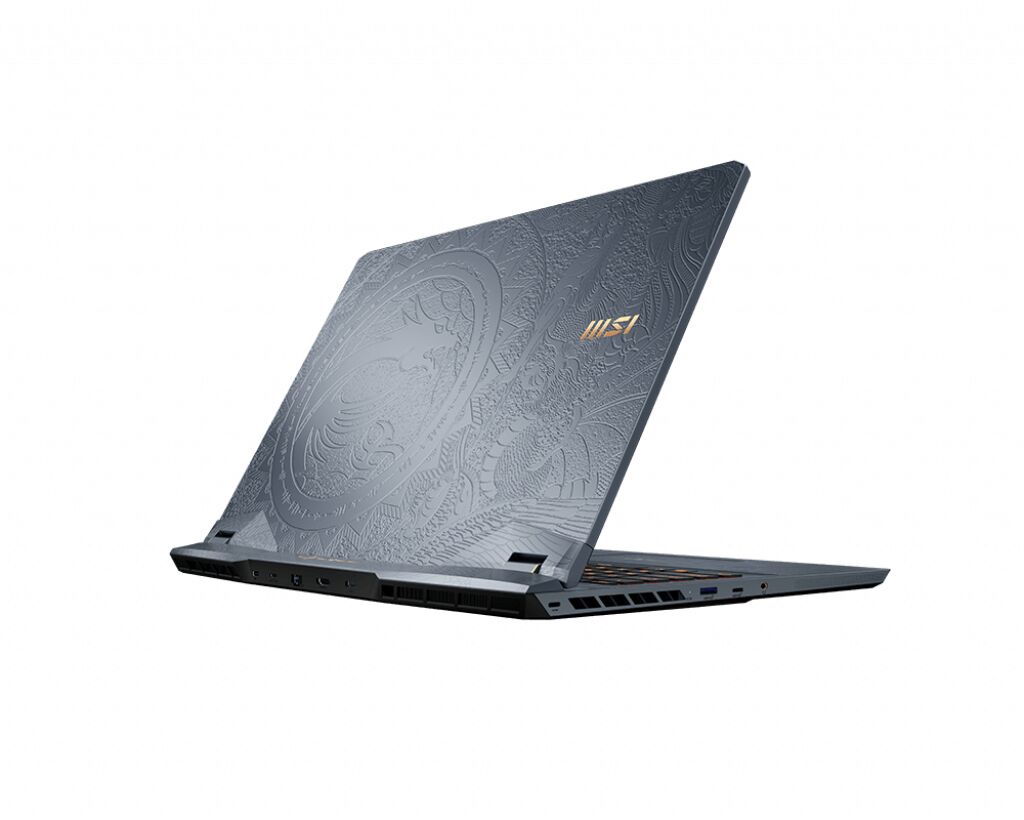
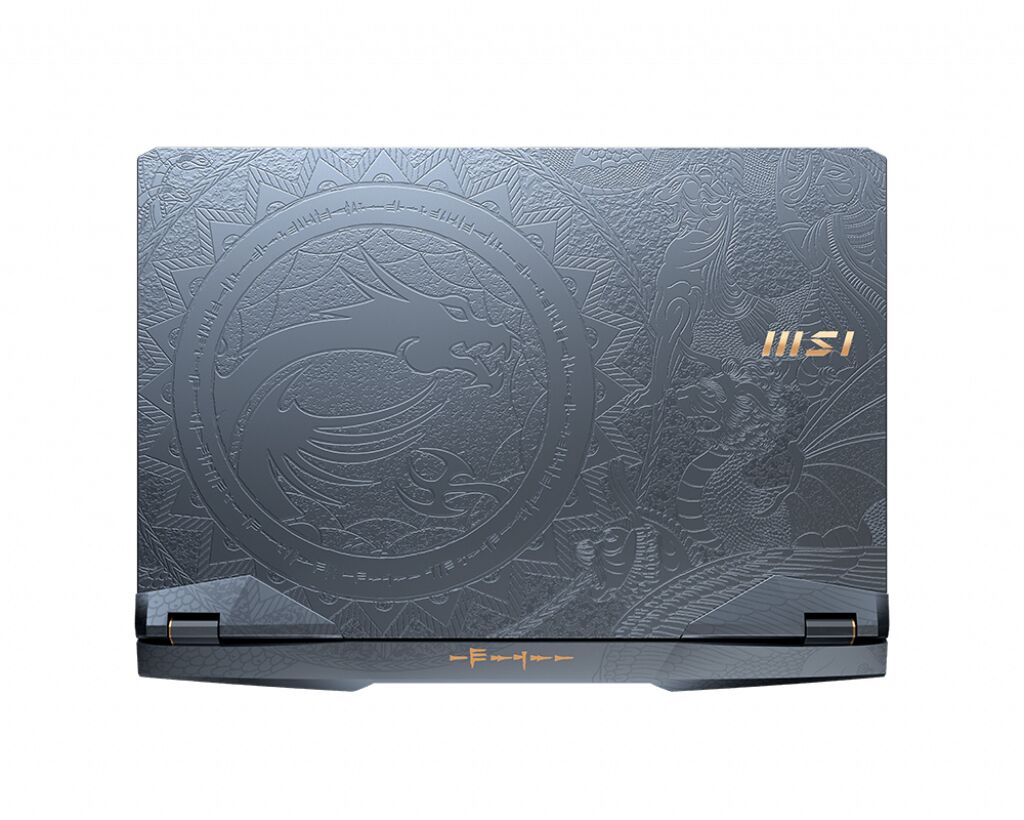
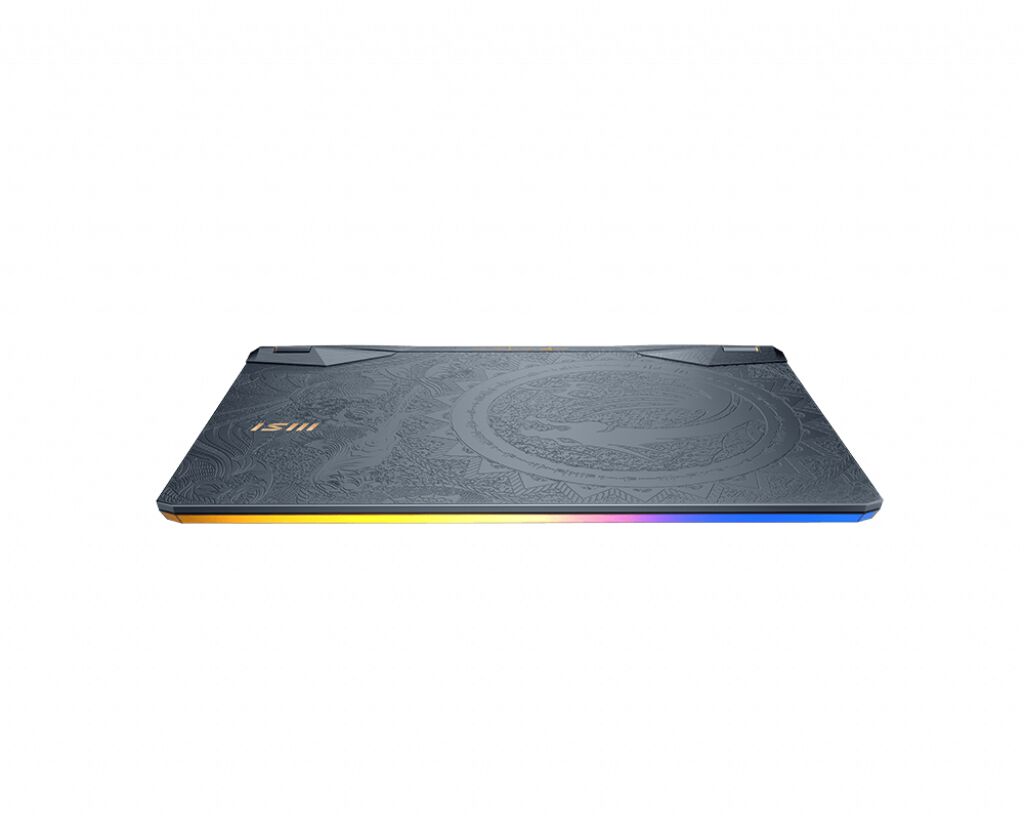
The MSI GE76 10UG-488ES Dragon Tiamat gaming laptop features DDR4-SDRAM memory specifications configured with 2x SO-DIMM slots. Maximum RAM capacity reaches 64 GB total, supporting DDR4 modules at 3200 MHz frequency. The SO-DIMM form factor enables RAM upgrade compatibility with standard laptop memory modules. Memory specifications provide upgrade pathways for enhanced multitasking and performance within Gaming series GE76 architecture.
Memory Upgrade Specifications
| Specification | Value |
|---|---|
| Memory slots | 2x SO-DIMM |
| Form factor | SO-DIMM |
| Memory type | DDR4-SDRAM |
| Frequency | 3200 MHz |
| Maximum RAM | 64 GB |
| Voltage | 1.2V |
| Number of pins | 260-pin |
| Interface | PC4 |
| PC Speed Rating | PC4-3200 (PC4-25600) |
| Bandwidth | 25.6 GB/s |
| Laptop Release date | 16 January 2021 |
Additional Notes
- The 64 GB ceiling requires two 32 GB modules, which must be verified against the chipset's per-slot density limits before purchase.
- DDR4-3200 operation depends on the processor's memory controller supporting JEDEC or XMP profiles at that frequency under dual-channel configuration.
- SO-DIMM installation in the MSI GE76 10UG-488ES Dragon Tiamat typically requires bottom panel removal, which may void seals on certain regional warranty programs.
- Mixing modules with different CAS latencies will force all sticks to operate at the slowest timing, creating performance inconsistency in memory-intensive workloads.
- Single-channel population halves theoretical bandwidth to approximately 25.6 GB/s, creating bottlenecks in gaming scenarios that rely on GPU-CPU data transfers.
- Non-matching module ranks between slots can prevent dual-channel activation despite identical capacity specifications.
- The 10th-generation Intel platform supports DDR4-2933 natively, meaning 3200 MHz operation requires motherboard support for overclocked profiles.
- ECC SO-DIMM modules are incompatible with consumer mobile platforms even when physically fitting the slot.
- High-density modules above 16 GB per stick may require BIOS updates to ensure proper detection and stability.
- Thermal constraints in gaming laptops can throttle DDR4-3200 modules lacking integrated heat spreaders during sustained memory-intensive operations.