MSI Gaming GE76 Raider 10UH-234FR RAM upgrade specifications
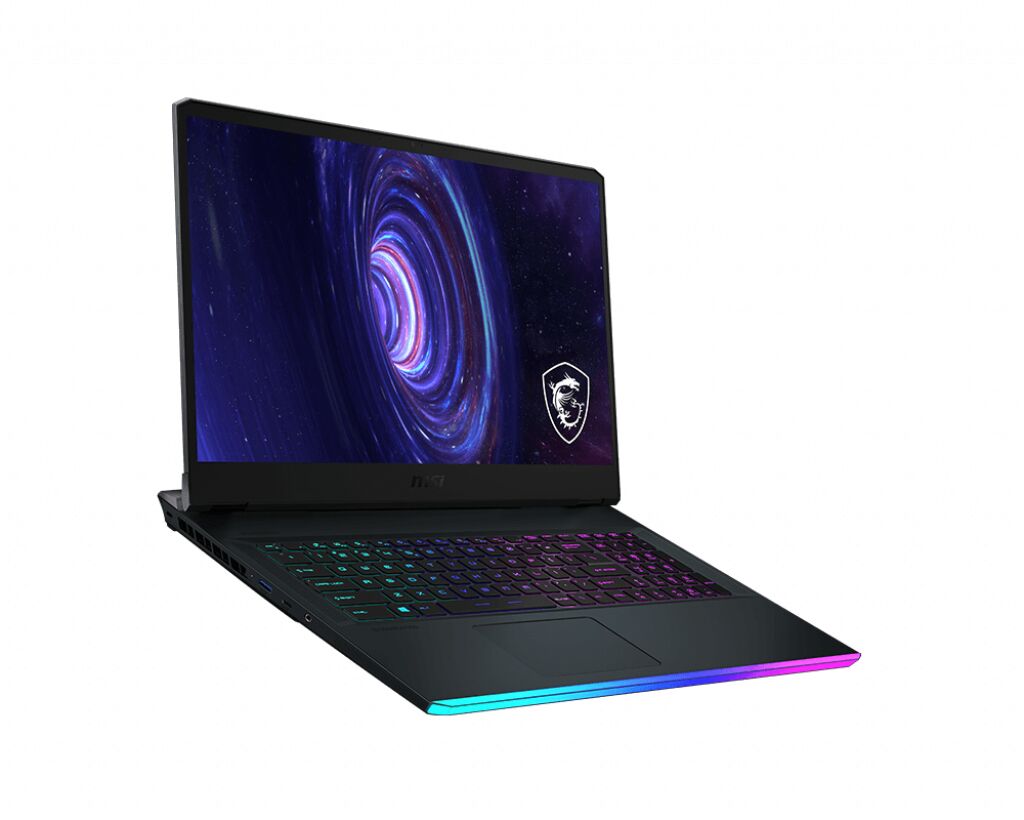
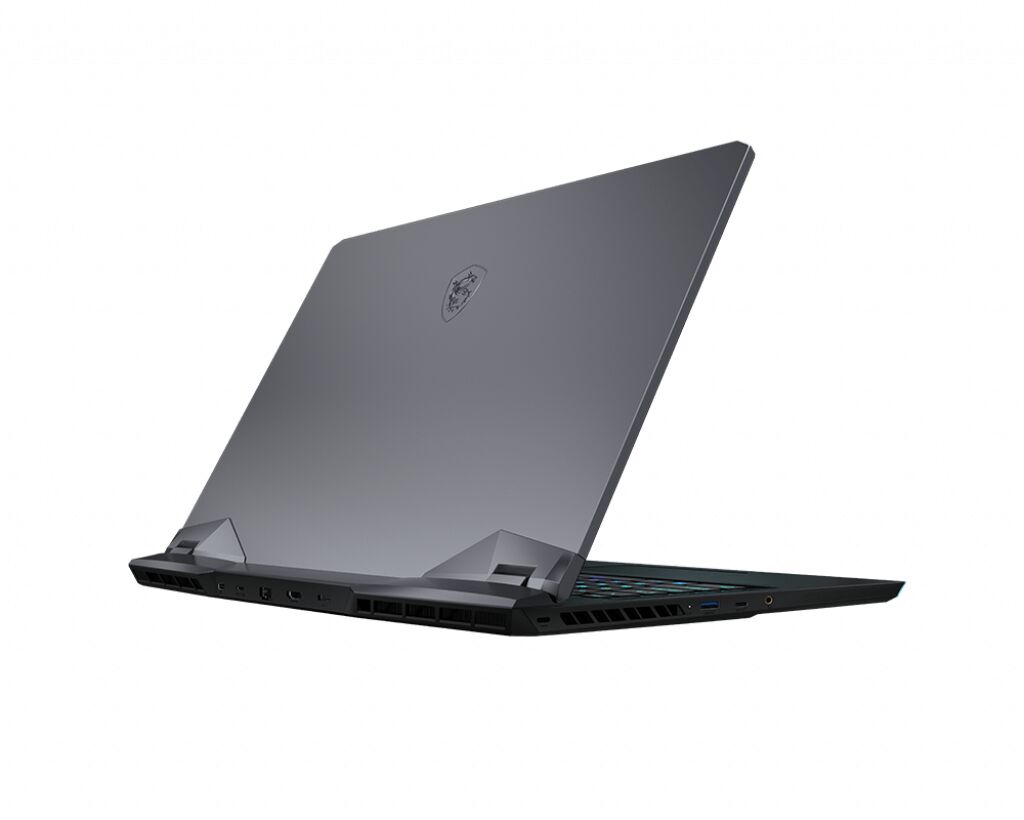
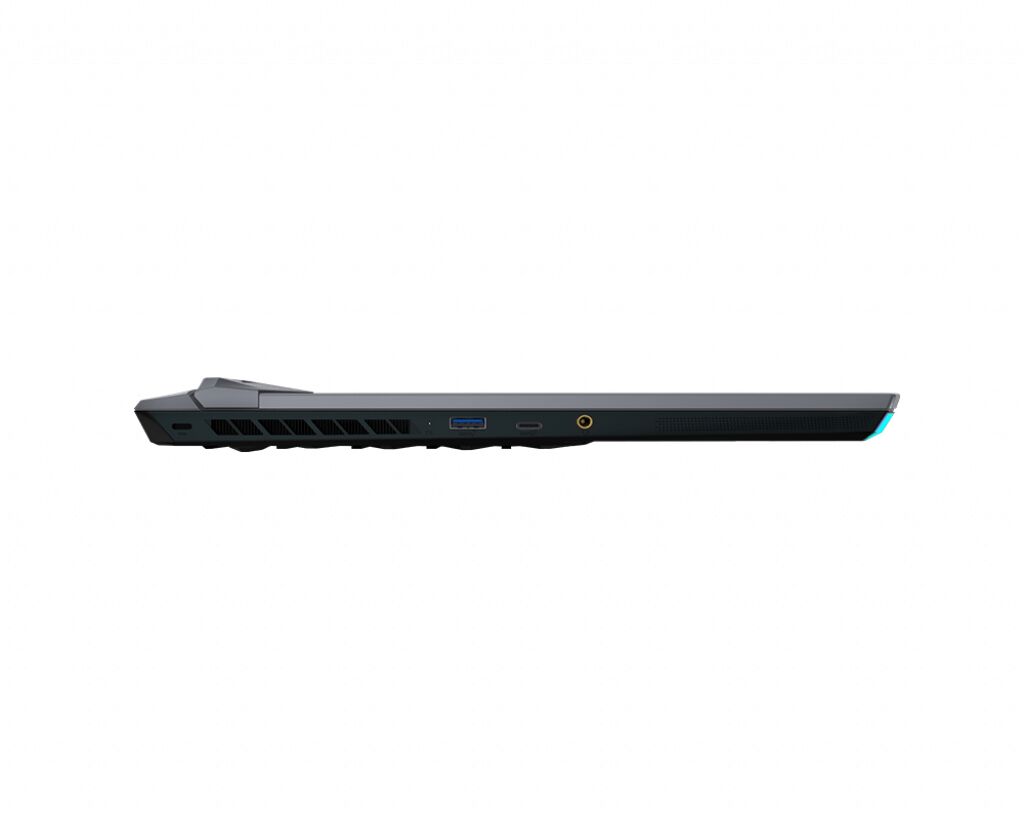
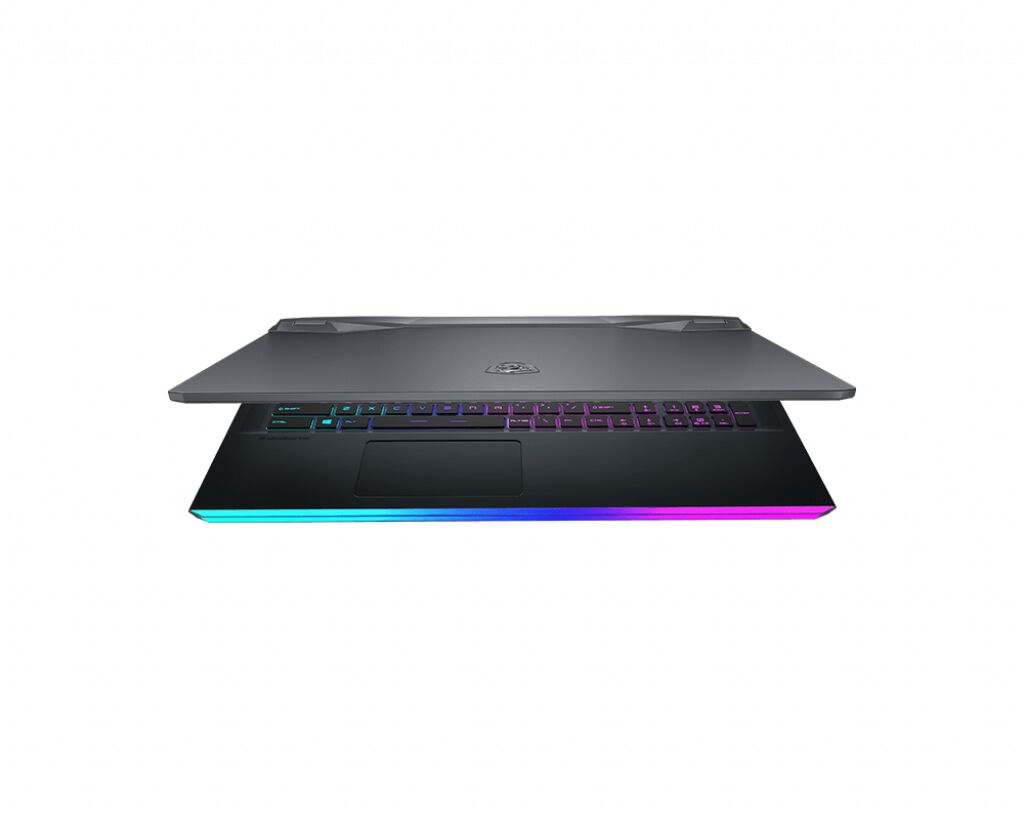
MSI GE76 Raider 10UH-234FR gaming laptop memory upgrade specifications include DDR4-SDRAM compatibility with two SO-DIMM slots. Maximum RAM capacity reaches 64 GB total, supporting memory modules operating at 3200 MHz frequency. Compatible upgrade options utilize SO-DIMM form factor specifications for the GE series platform. Current memory configuration expandable to specifications listed as maximum supported capacity for this model.
Memory Upgrade Specifications
| Specification | Value |
|---|---|
| Memory slots | 2x SO-DIMM |
| Form factor | SO-DIMM |
| Memory type | DDR4-SDRAM |
| Frequency | 3200 MHz |
| Maximum RAM | 64 GB |
| Voltage | 1.2V |
| Number of pins | 260-pin |
| Interface | PC4 |
| PC Speed Rating | PC4-3200 (PC4-25600) |
| Bandwidth | 25.6 GB/s |
| Laptop Release date | 04 February 2021 |
Additional Notes
- The MSI GE76 Raider 10UH-234FR uses a 2-slot SO-DIMM configuration, meaning both memory slots must be populated to achieve the 64 GB maximum. Removing either module reduces total capacity regardless of the remaining module's size.
- DDR4-3200 memory operates at a fixed frequency; installing faster DDR4 modules (3600 MHz or higher) will downclock to 3200 MHz, resulting in no performance gain and wasted capital on premium-tier memory.
- The 10th-generation Intel processor in this model supports DDR4 up to approximately 3200 MHz natively, making faster memory incompatible without manual BIOS overclocking, which voids most laptop warranties.
- SO-DIMM modules occupy minimal physical space compared to full-size DIMM modules; however, the 2-slot limitation means a single upgrade path exists: replacing both existing modules with 2x32 GB sticks. Mixing capacities (such as 8 GB and 32 GB) functions but underutilizes available capacity.
- DDR4 SO-DIMM pricing remains higher per gigabyte than desktop DDR4 alternatives; purchasing 2x32 GB kits specifically binned for gaming laptops reduces compatibility risk versus generic server-grade SO-DIMM modules.
- Adding memory from 16 GB to 32 GB eliminates memory-bound performance bottlenecks in concurrent gaming, streaming, and background application workloads; further increases to 64 GB provide diminishing returns for gaming-primary usage patterns.