MSI Gaming GE76 Raider 10UG-088FR RAM upgrade specifications

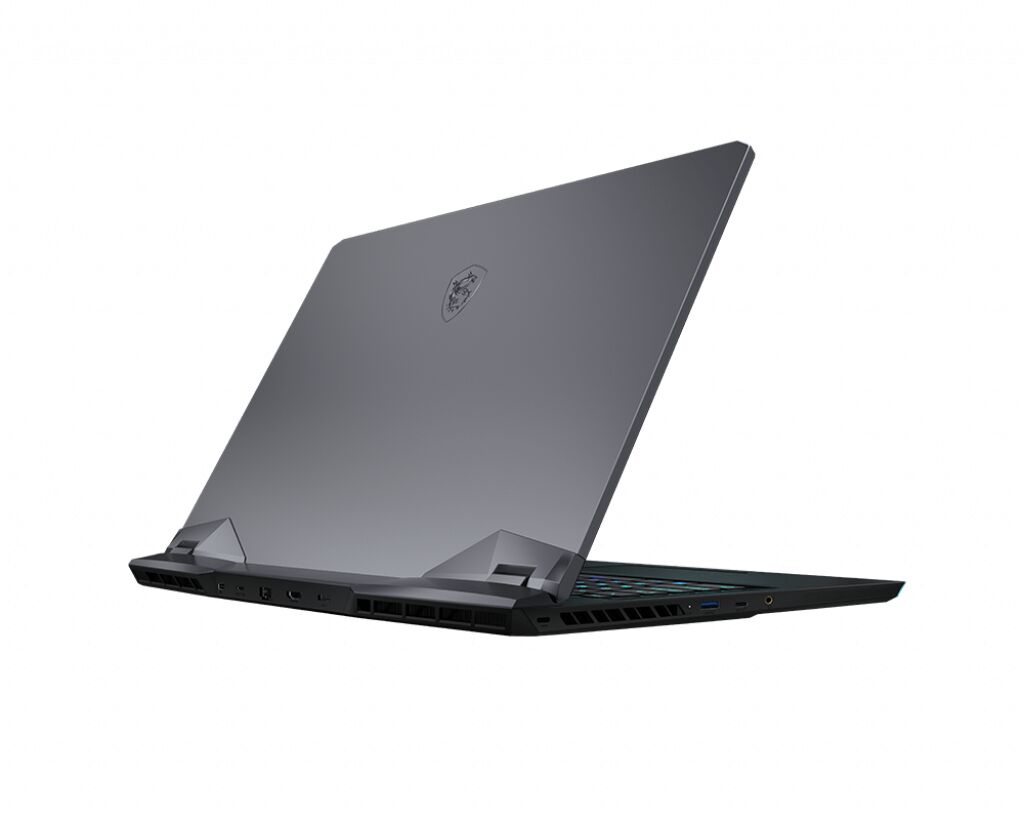
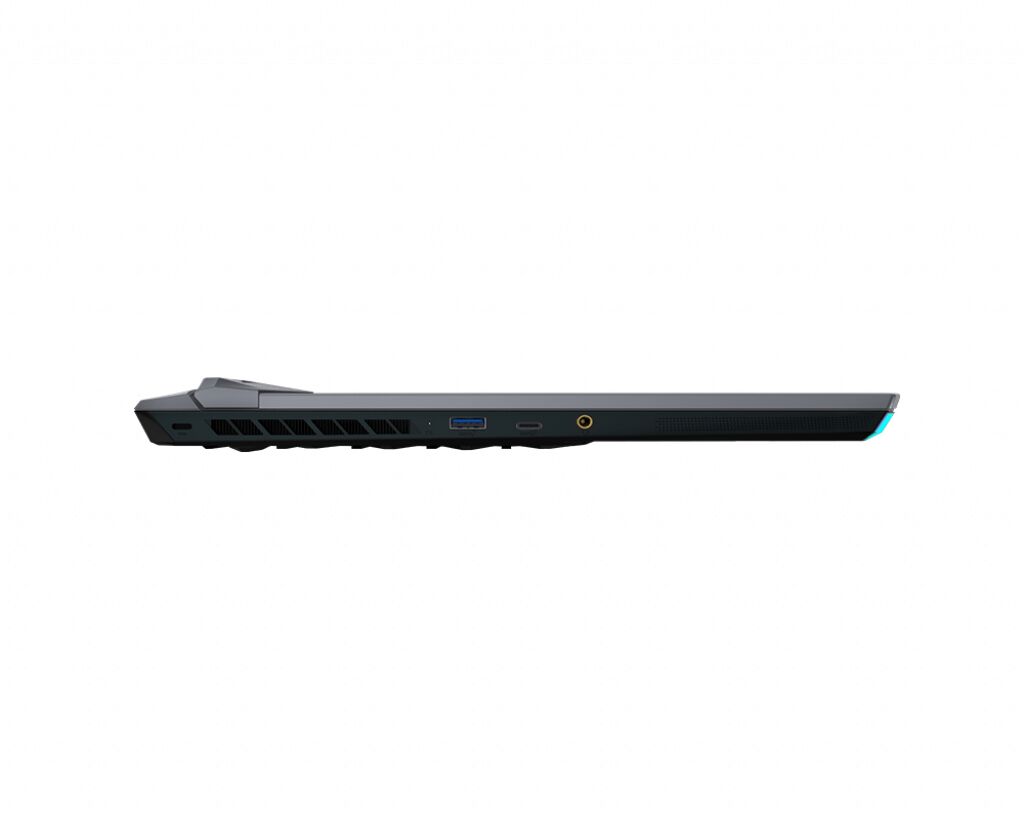
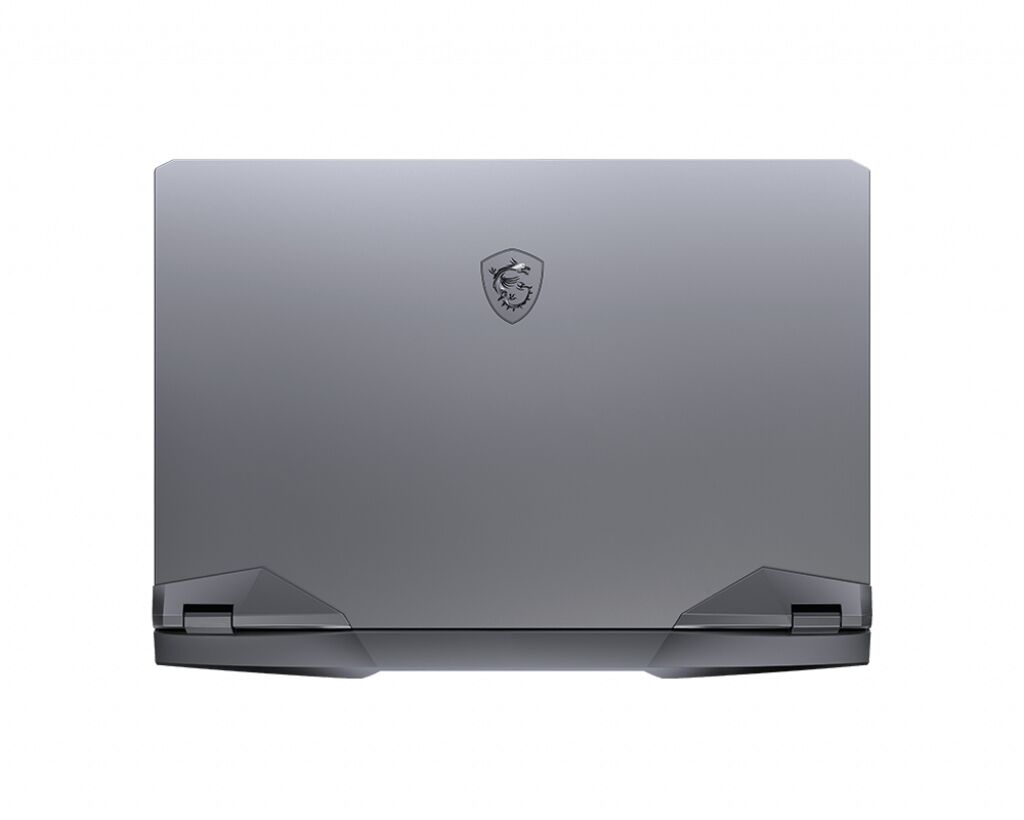
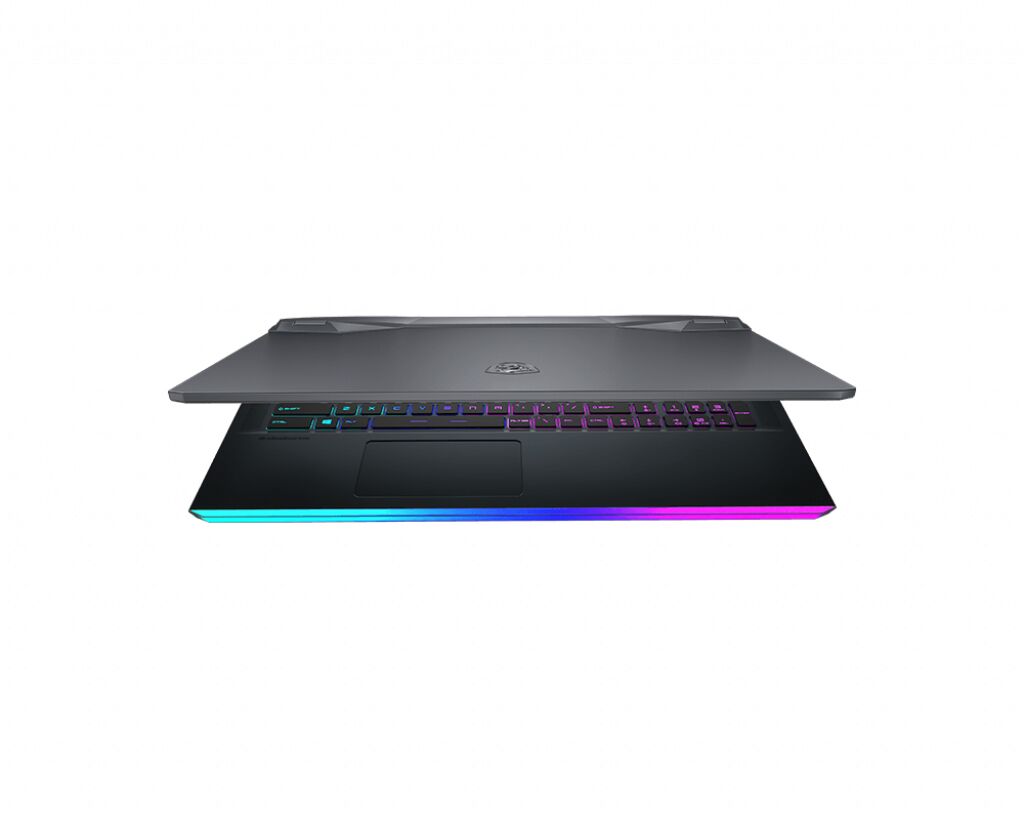
The MSI GE76 Raider 10UG-088FR gaming laptop features DDR4-SDRAM memory upgrade capabilities with two SO-DIMM slots supporting maximum capacity of 64 GB. Compatible memory modules operate at 3200 MHz frequency. The GE series gaming laptop specifications allow for RAM expansion through SO-DIMM form factor modules, enabling memory upgrades from standard configurations to the maximum supported 64 GB capacity across both available slots.
Memory Upgrade Specifications
| Specification | Value |
|---|---|
| Memory slots | 2x SO-DIMM |
| Form factor | SO-DIMM |
| Memory type | DDR4-SDRAM |
| Frequency | 3200 MHz |
| Maximum RAM | 64 GB |
| Voltage | 1.2V |
| Number of pins | 260-pin |
| Interface | PC4 |
| PC Speed Rating | PC4-3200 (PC4-25600) |
| Bandwidth | 25.6 GB/s |
| Laptop Release date | 04 February 2021 |
Additional Notes
- The 64 GB ceiling exists due to the 10th generation Intel Core processor architecture, which limits per-slot density recognition to 32 GB modules despite the physical presence of 2 slots.
- DDR4-3200 represents the maximum JEDEC-standard frequency this chipset will accept without requiring XMP profile activation, though SO-DIMM modules rarely support overclocking profiles in mobile platforms.
- Both memory channels must remain populated with identical specification modules to maintain dual-channel bandwidth operation, as asymmetric configurations will force the memory controller into lower-performance single-channel mode.
- The MSI GE76 Raider 10UG-088FR requires 1.2V SO-DIMM modules exclusively, as higher voltage DDR4 variants designed for desktop systems will either fail POST or trigger thermal protection mechanisms in the confined chassis.
- Mixing CAS latency timings between slots, even at identical frequencies, creates stability issues because the memory controller synchronizes to the slowest module's timing parameters across both channels.
- Installing non-ECC unbuffered memory remains mandatory, as the mobile HM470 chipset lacks support for error-correcting or registered module architectures common in workstation systems.
- Access to the SO-DIMM slots requires complete bottom panel removal on this chassis design, which typically voids regional warranty coverage unless performed by authorized service centers in certain markets.
- Single-rank versus dual-rank module architecture affects interleaving efficiency, with dual-rank configurations providing marginal performance gains in memory-intensive workloads despite identical capacity and frequency specifications.
- The 3200 MHz specification assumes proper cooling, as thermal throttling will downclock memory frequency to 2933 MHz or lower when sustained temperatures exceed 85°C during extended gaming sessions.