MSI Gaming GE76 Raider 10UE-237FR RAM upgrade specifications
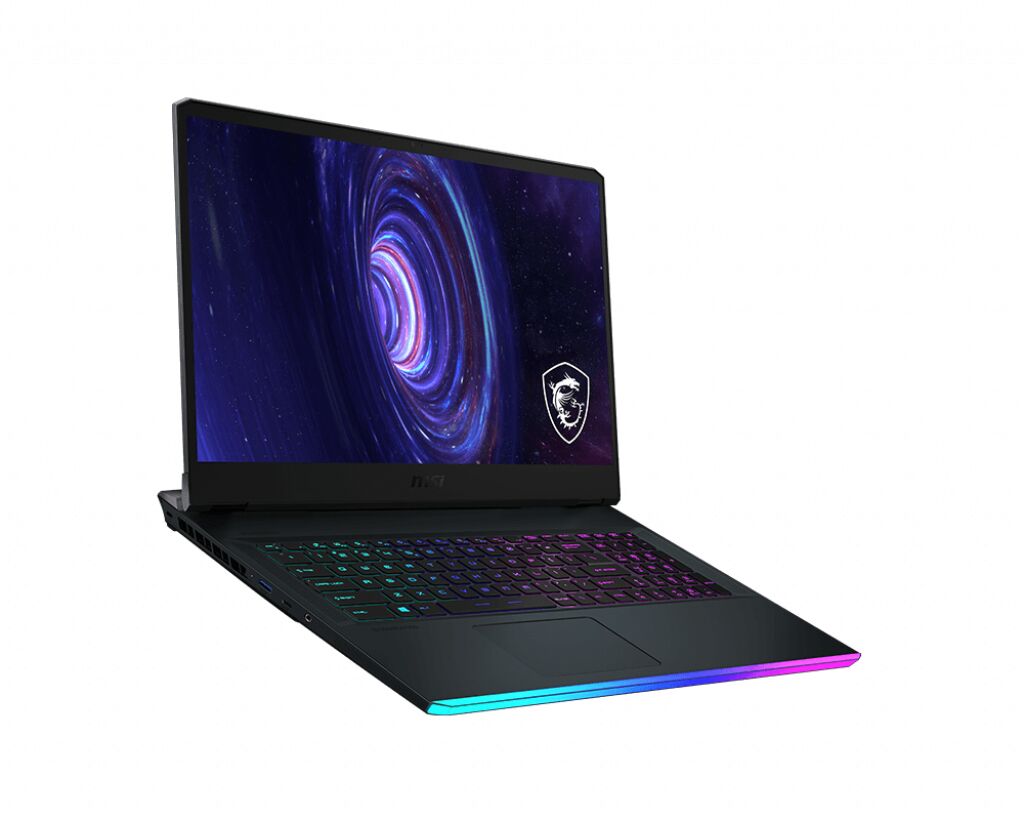
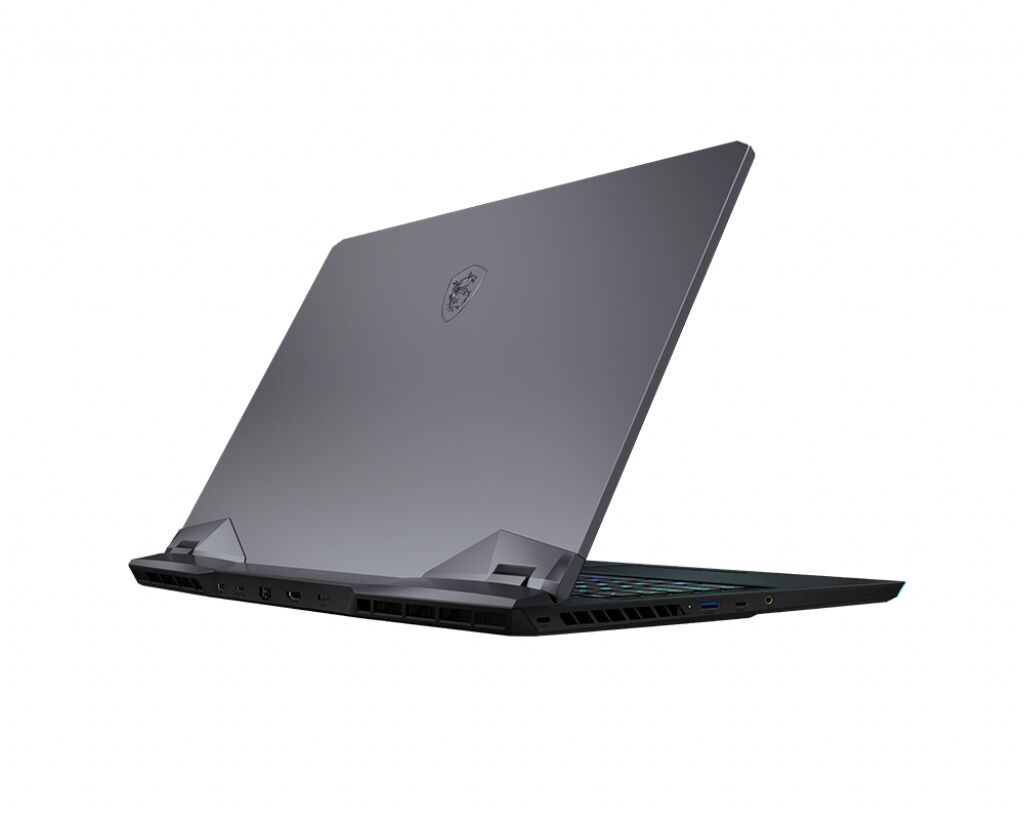
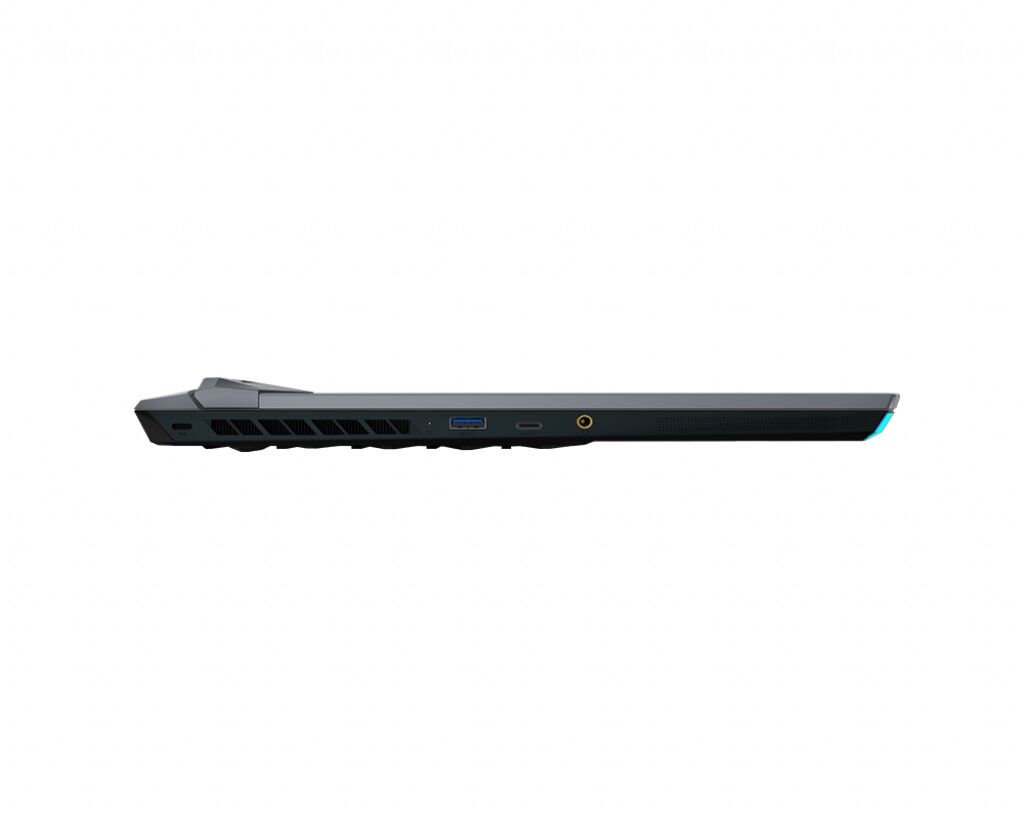
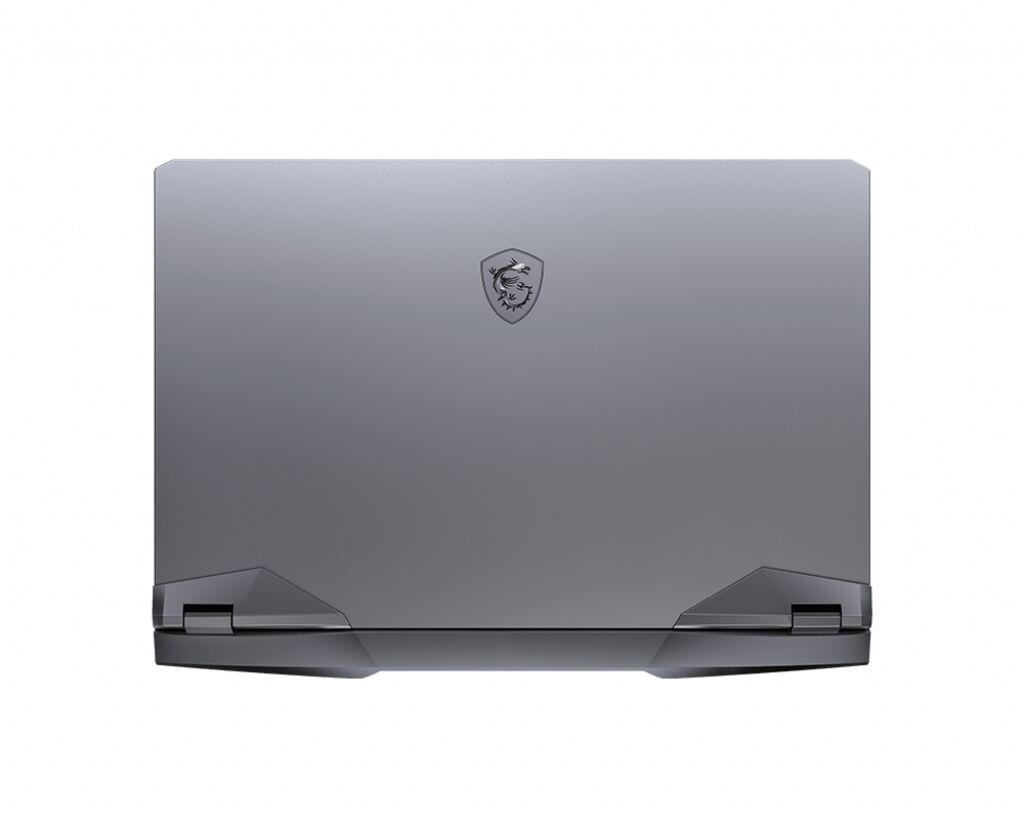
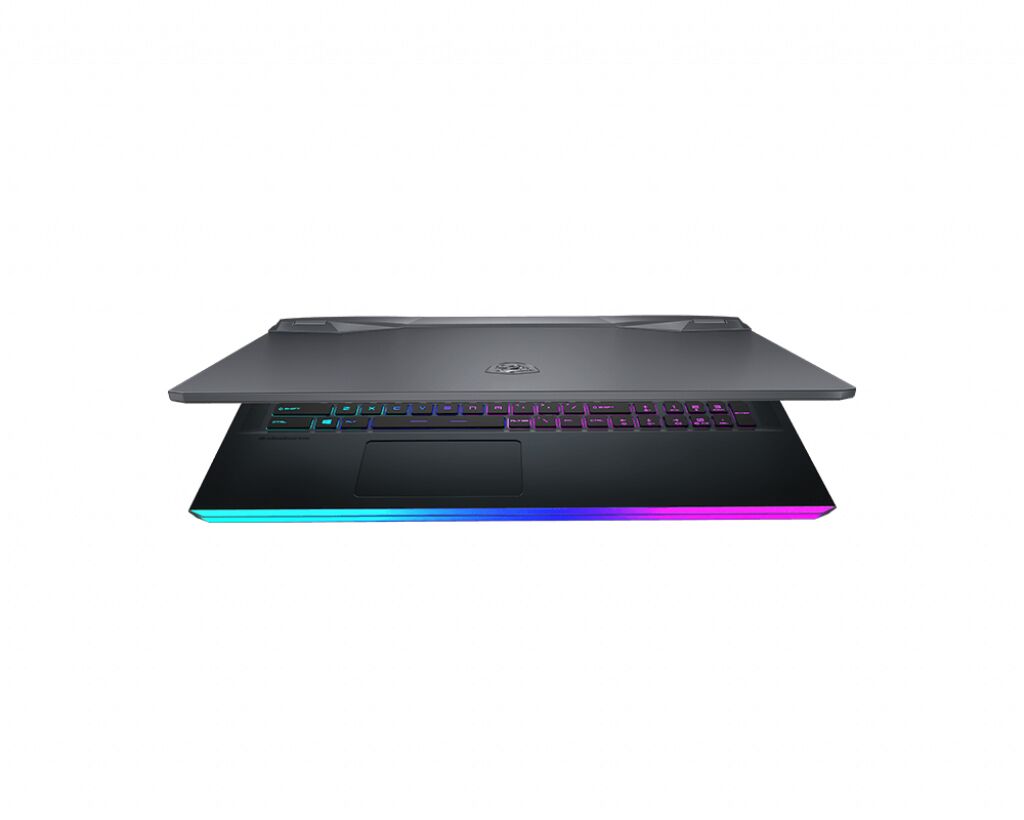
MSI GE76 Raider 10UE-237FR gaming laptop features DDR4-SDRAM memory configuration with 2x SO-DIMM slots supporting maximum capacity of 64 GB RAM. The upgrade specifications accommodate DDR4 modules operating at 3200 MHz frequency. Compatible memory upgrades utilize SO-DIMM form factor, enabling expansion beyond the factory-installed configuration. The GE Series gaming platform supports dual-channel DDR4 memory architecture for optimal performance in this MSI gaming family model.
Memory Upgrade Specifications
| Specification | Value |
|---|---|
| Memory slots | 2x SO-DIMM |
| Form factor | SO-DIMM |
| Memory type | DDR4-SDRAM |
| Frequency | 3200 MHz |
| Maximum RAM | 64 GB |
| Voltage | 1.2V |
| Number of pins | 260-pin |
| Interface | PC4 |
| PC Speed Rating | PC4-3200 (PC4-25600) |
| Bandwidth | 25.6 GB/s |
| Laptop Release date | 04 February 2021 |
Additional Notes
- The MSI GE76 Raider 10UE-237FR uses laptop-grade SO-DIMM modules rather than desktop DIMM form factors, requiring memory sticks measuring 67.6 x 30 mm to fit within the confined chassis space.
- Dual SO-DIMM slots create a hard ceiling at 64 GB total capacity, meaning maximum expandable memory involves installing 2 x 32 GB modules rather than future modular additions beyond this threshold.
- DDR4-3200 MHz support indicates the memory controller operates at JEDEC standard frequencies; third-party modules rated above 3200 MHz may function but operate at reduced clockspeeds due to controller limitations, eliminating performance gains from premium memory tiers.
- Replacement of either memory stick requires full system shutdown and involves accessing internal components beneath the keyboard or base panel, making RAM upgrades a partially invasive procedure that may void manufacturer coverage if performed outside authorized service channels.
- The 10-series processor generation (10th-gen Intel architecture implied by model nomenclature) predates DDR5 memory standards by approximately 2 CPU generations, meaning DDR5 modules are electrically and physically incompatible regardless of form factor alignment.
- Two-slot architecture prevents asymmetrical configurations; mismatched module capacities or speeds between slots force the memory controller to downclock both sticks to the slower module's specification, negating performance benefits of single high-speed upgrades.