MSI Gaming Raider GE78HX 13VI-203FR RAM upgrade specifications


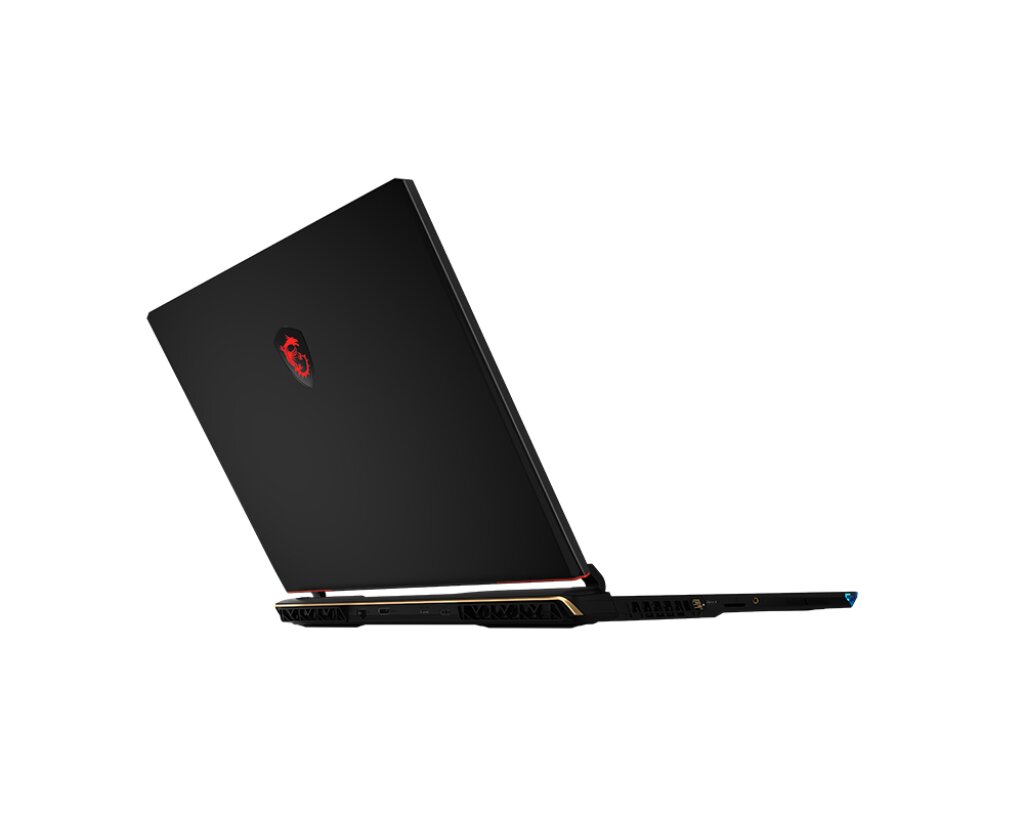
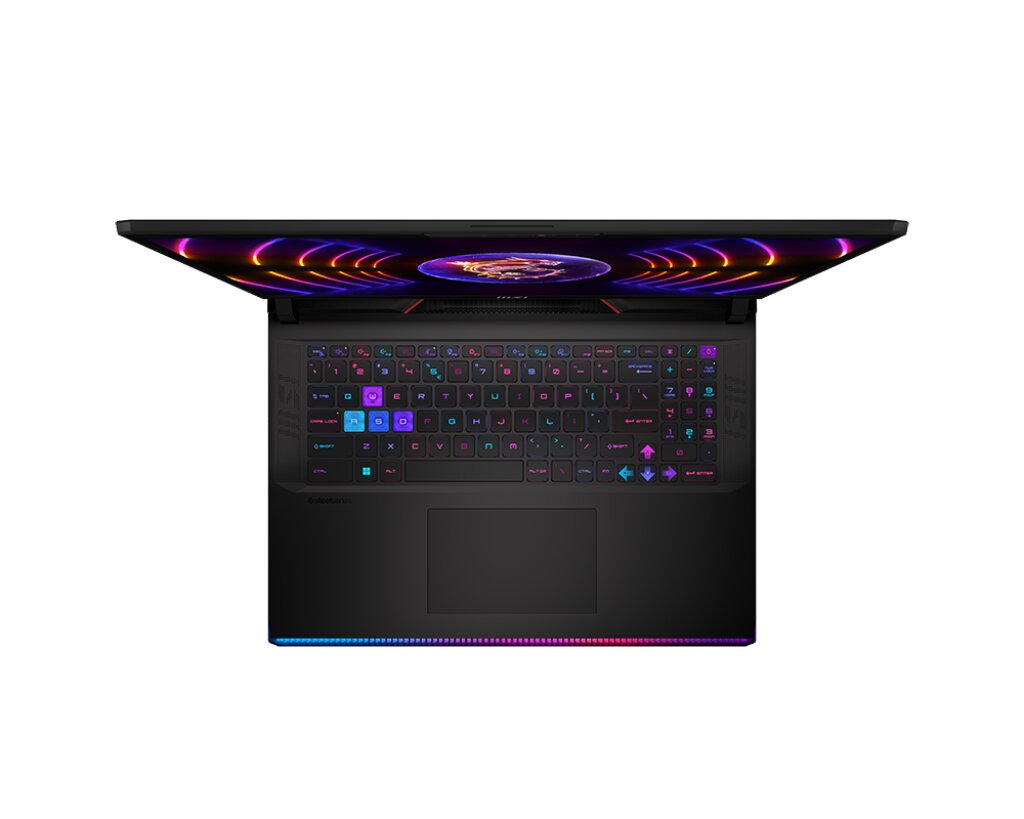
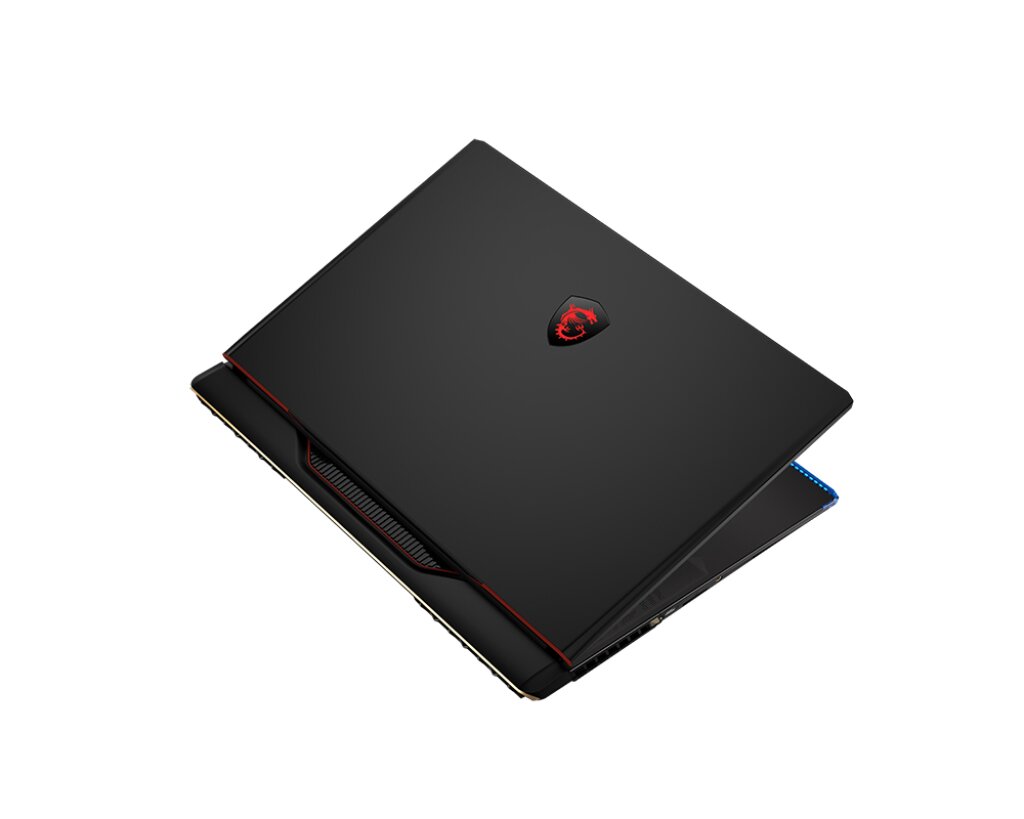
The MSI Raider GE78HX 13VI-203FR Gaming series laptop features DDR5-SDRAM memory upgrade capabilities. The system contains 2x SO-DIMM slots supporting a maximum RAM capacity of 64 GB. Compatible memory modules operate at 5600 MHz frequency with SO-DIMM form factor specifications. Upgrade options allow for expanded memory capacity to enhance multitasking and performance on this gaming laptop model.
Memory Upgrade Specifications
| Specification | Value |
|---|---|
| Memory slots | 2x SO-DIMM |
| Form factor | SO-DIMM |
| Memory type | DDR5-SDRAM |
| Frequency | 5600 MHz |
| Maximum RAM | 64 GB |
| Voltage | 1.1V |
| Number of pins | 262-pin |
| Interface | PC5 |
| PC Speed Rating | PC5-5600 (PC5-44800) |
| Bandwidth | 44.8 GB/s |
| Laptop Release date | 04 October 2023 |
Additional Notes
- The MSI Raider GE78HX 13VI-203FR features a dual-channel memory architecture that requires matched SO-DIMM pairs to achieve optimal bandwidth of 89.6 GB/s at DDR5-5600 speeds.
- DDR5 modules operate at 1.1V compared to DDR4's 1.2V, reducing thermal output but requiring compatible voltage regulation on the motherboard that precludes backward compatibility with DDR4 modules.
- The 64 GB ceiling translates to a maximum of 32 GB per SO-DIMM slot, eliminating support for newer 48 GB single-module configurations that exceed this capacity limit.
- Installing mismatched module capacities will force the system into single-channel mode, halving memory bandwidth and creating performance bottlenecks in rendering workloads and large dataset processing.
- DDR5-5600 represents the JEDEC standard speed for this platform, while higher XMP/EXPO overclocked modules at 6000 MHz or 6400 MHz may function but could introduce stability issues without BIOS support verification.
- SO-DIMM slots in gaming laptops typically have retention clips that require simultaneous outward pressure at 45-degree angles, with improper insertion force potentially damaging the slot's pin array.
- The on-die ECC feature in DDR5 corrects single-bit errors internally but does not provide the same system-level error reporting as full ECC memory, making it unsuitable for mission-critical applications requiring error logging.
- Upgrading from the factory-installed configuration will void certain regional warranties unless performed by authorized service centers, particularly in European markets with stricter consumer protection regulations.
- DDR5's dual-channel per module architecture means each SO-DIMM internally operates as 2 independent 16-bit channels, requiring proper routing on the motherboard that cannot be altered post-manufacture.
- Thermal considerations dictate that 32 GB modules generate approximately 15-20% more heat than 16 GB variants due to higher-density memory dies, potentially impacting sustained boost clocks in thermally constrained laptop chassis.
- The 5600 MHz specification operates at a CAS latency typically between CL40-CL46, resulting in absolute latency of approximately 14-16 nanoseconds that affects frame-time consistency in latency-sensitive gaming scenarios.