MSI Gaming 9S7-16R612-1094 RAM upgrade specifications

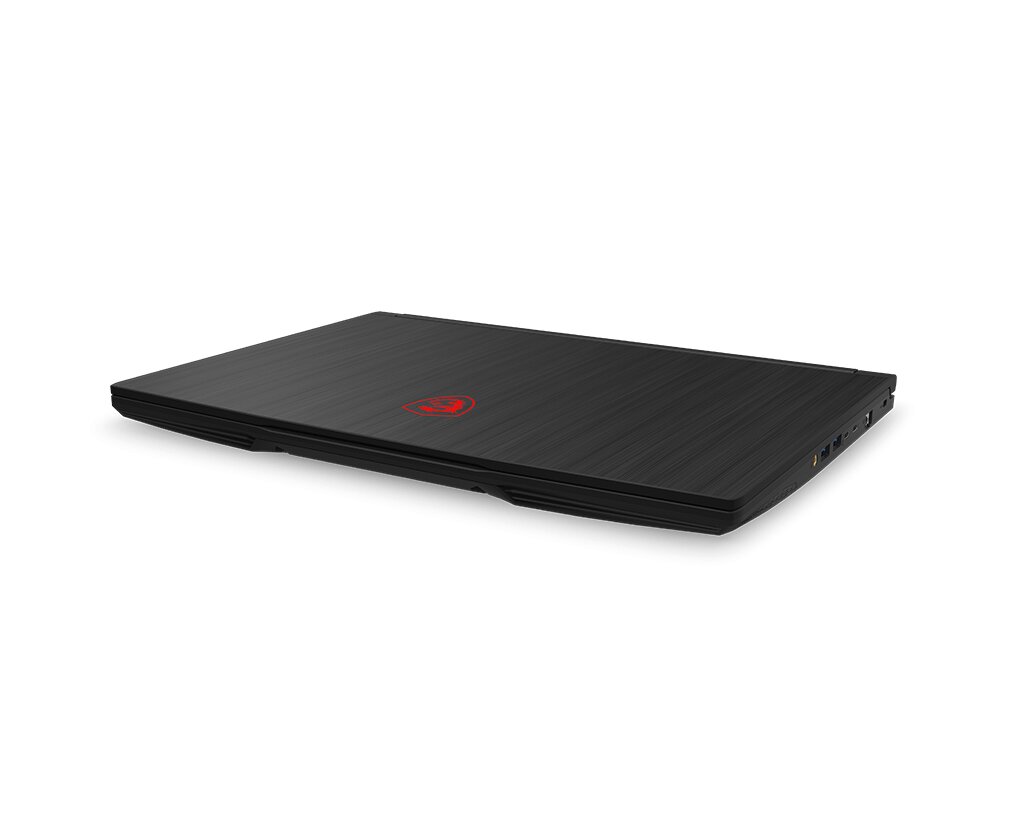

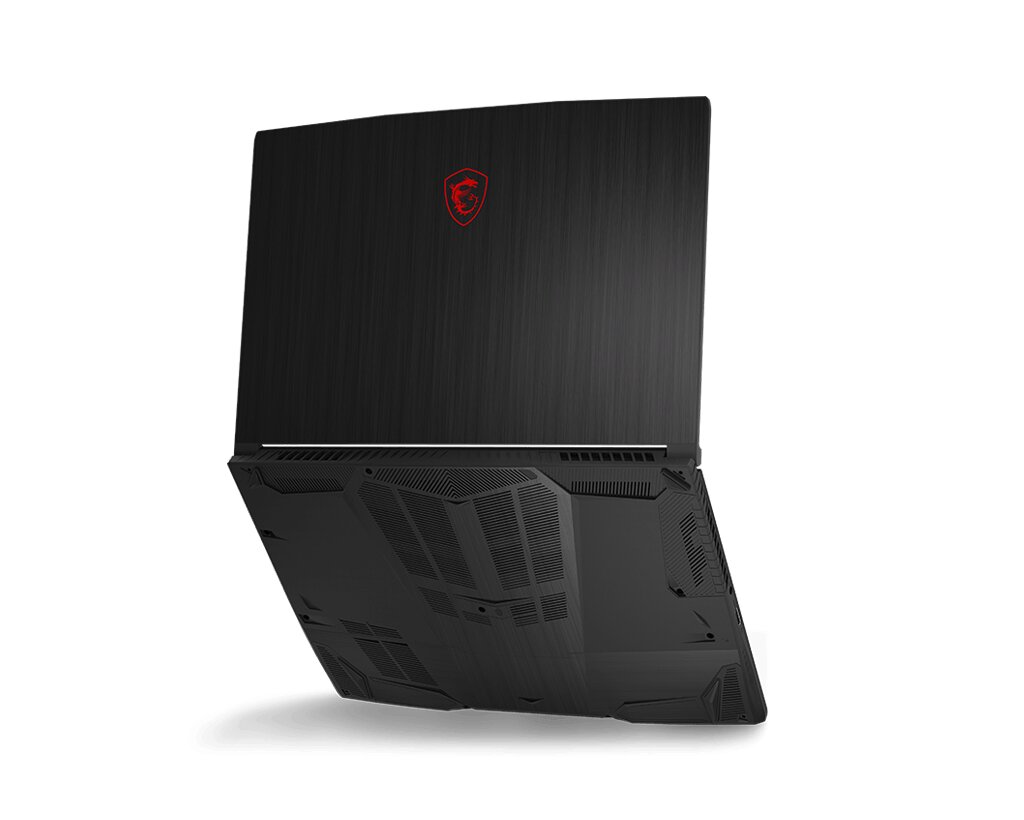

The MSI Gaming GF series model 9S7-16R612-1094 features DDR4-SDRAM memory specifications supporting upgrades up to 64 GB maximum capacity. The laptop includes 2 SO-DIMM memory slots, allowing RAM expansion with compatible DDR4 modules operating at 3200 MHz frequency. Users can upgrade the memory configuration by installing additional SO-DIMM form factor modules to reach the maximum supported capacity. The specifications define the compatible memory upgrade requirements for this MSI Gaming GF laptop model.
Memory Upgrade Specifications
| Specification | Value |
|---|---|
| Memory slots | 2x SO-DIMM |
| Form factor | SO-DIMM |
| Memory type | DDR4-SDRAM |
| Frequency | 3200 MHz |
| Maximum RAM | 64 GB |
| Voltage | 1.2V |
| Number of pins | 260-pin |
| Interface | PC4 |
| PC Speed Rating | PC4-3200 (PC4-25600) |
| Bandwidth | 25.6 GB/s |
| Laptop Release date | 21 August 2023 |
Additional Notes
- The MSI Gaming 9S7-16R612-1094 uses 2 SO-DIMM slots, meaning both slots must be populated simultaneously to achieve dual-channel operation. Installing a single module leaves half the memory bandwidth unavailable, resulting in measurable performance degradation in bandwidth-sensitive workloads.
- DDR4-3200 modules operate at a fixed frequency ceiling; pairing with faster DDR4 variants (3600, 4000 MHz) forces the system to downclock all modules to 3200 MHz, negating any speed advantage of premium memory.
- Maximum capacity of 64 GB indicates a 16 GB per slot limitation at the DIMM level. Upgrading beyond 32 GB total requires replacement of existing modules rather than additive installation, assuming current modules are 16 GB each.
- SO-DIMM form factor restricts module availability to laptop-specific variants, which typically cost 15-25% more per gigabyte than standard UDIMM desktop equivalents from the same generation.
- DDR4-3200 represents mainstream consumer-class frequency; latency variance between manufacturers (CAS 16, 18, 20) produces minimal real-world impact but tighter timings (lower CAS) ensure compatibility margin if BIOS undervolting or frequency tuning occurs.
- Two-slot architecture eliminates DIMM redundancy; failure of a single module renders the system non-functional, unlike 4-slot configurations where degraded operation remains possible.