MSI Gaming GF62 7RD-2480UK RAM upgrade specifications
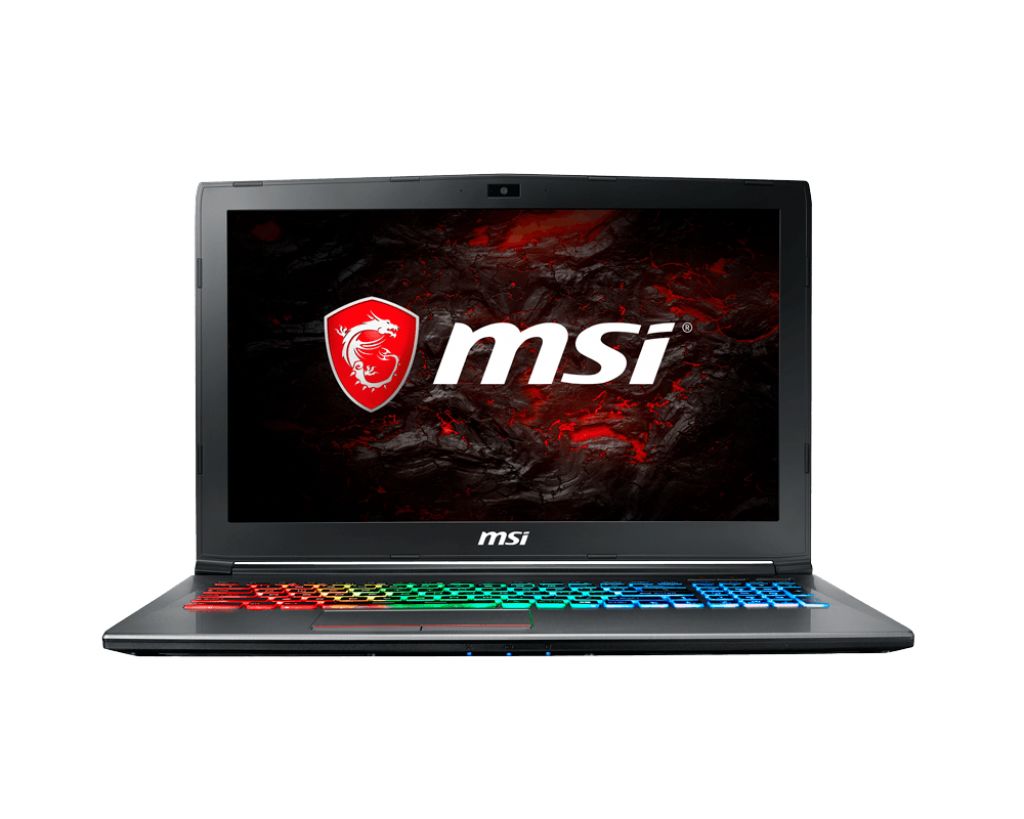
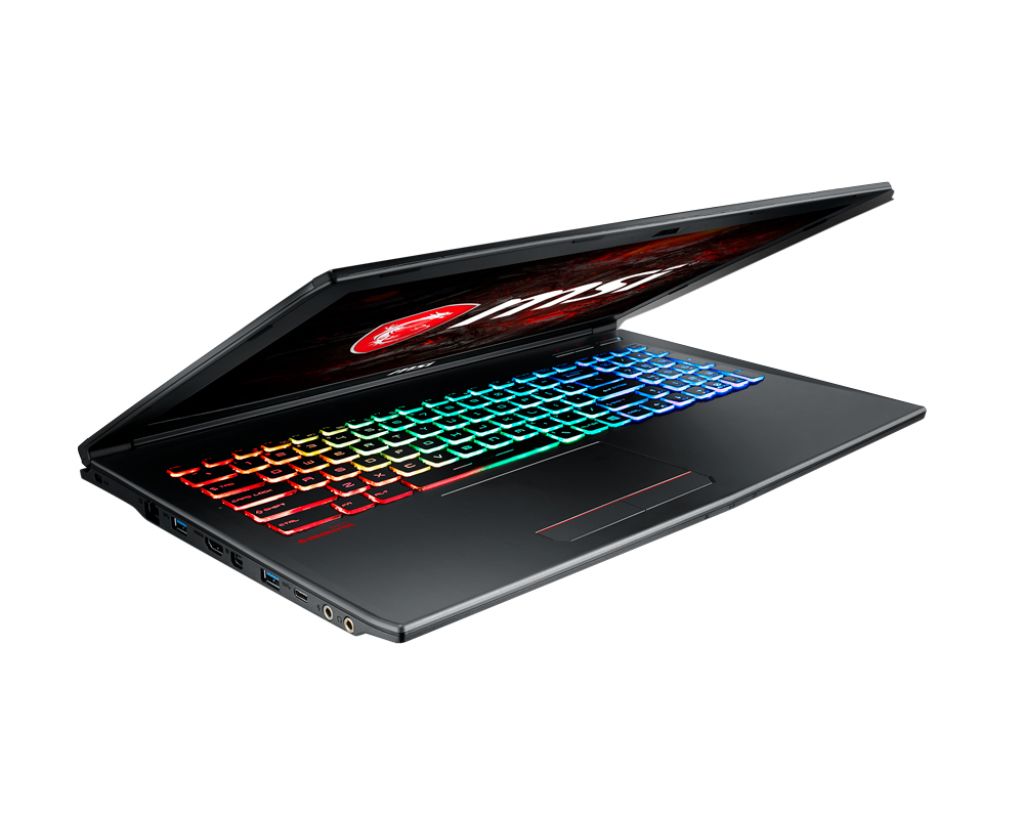
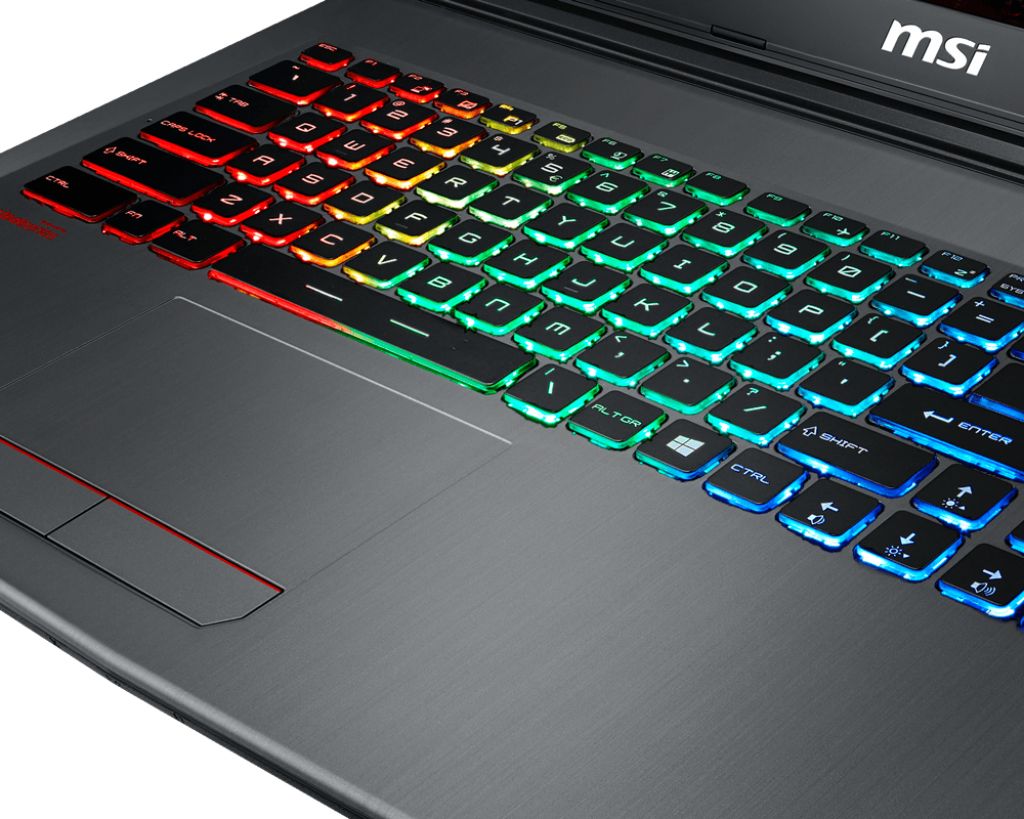
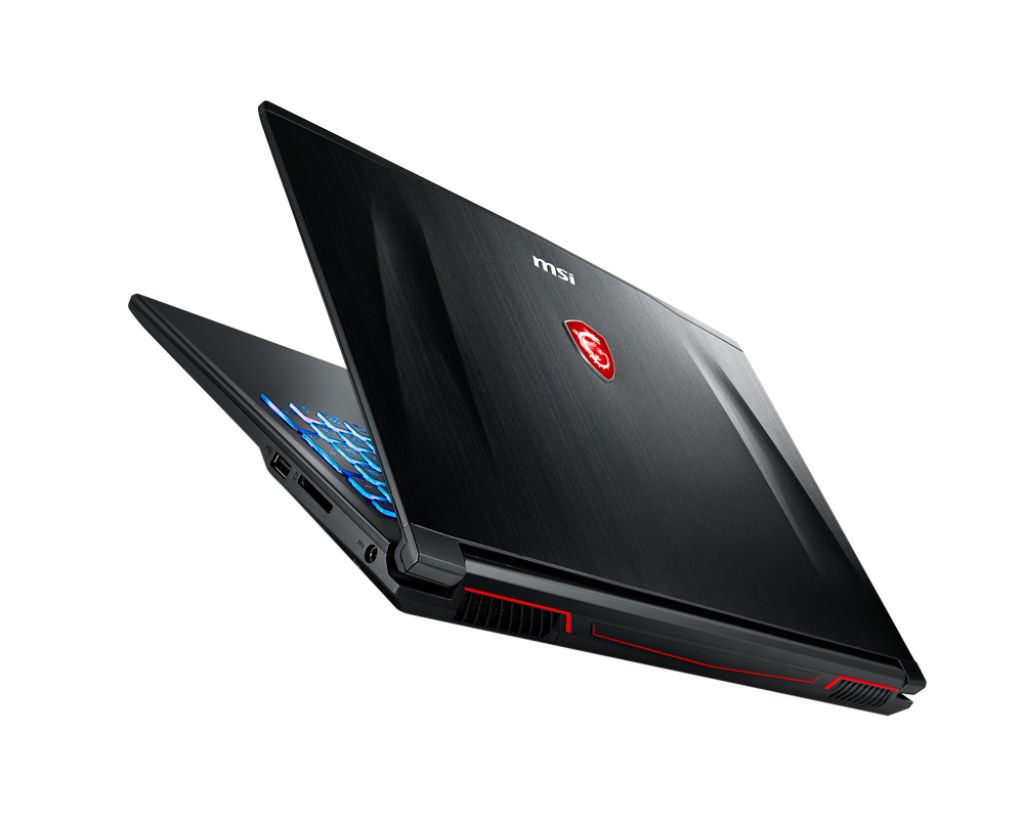
MSI GF62 7RD-2480UK gaming laptop supports DDR4-SDRAM memory upgrades through two SO-DIMM slots. The upgrade specifications indicate maximum RAM capacity of 32 GB total, with compatible memory operating at 2400 MHz frequency. The SO-DIMM form factor applies to upgrade modules for this GF series model. Memory upgrade configuration allows expansion from factory specifications to achieve the 32 GB maximum capacity across the available slots.
Memory Upgrade Specifications
| Specification | Value |
|---|---|
| Memory slots | 2x SO-DIMM |
| Form factor | SO-DIMM |
| Memory type | DDR4-SDRAM |
| Frequency | 2400 MHz |
| Maximum RAM | 32 GB |
| Voltage | 1.2V |
| Number of pins | 260-pin |
| Interface | PC4 |
| PC Speed Rating | PC4-2400 (PC4-19200) |
| Bandwidth | 19.2 GB/s |
| Laptop Release date | 26 October 2018 |
Additional Notes
- The MSI GF62 7RD-2480UK accommodates memory modules exclusively in SO-DIMM format, which is soldered to the motherboard and cannot be replaced as an integrated component; both upgrade slots remain accessible for user installation.
- DDR4-2400 specification represents the maximum supported frequency tier, meaning modules rated at 3000 MHz, 3200 MHz, or higher speeds will downclock to 2400 MHz and will not provide performance uplift over native-speed modules.
- Dual SO-DIMM configuration permits symmetric pairing only; installing mismatched module capacities (such as 8 GB plus 16 GB) results in single-channel operation on the unbalanced portion, reducing bandwidth efficiency to approximately 50 percent for that memory segment.
- The 32 GB maximum capacity ceiling imposes a practical limit of 2x16 GB configuration; any modules exceeding 16 GB per slot will not be recognized by the platform firmware.
- SO-DIMM modules occupy significantly less vertical space than standard DIMM counterparts, which means case-side clearance constraints are minimal; however, the shallow slot depth requires modules to be inserted at a precise 30-degree angle during installation.
- Third-party memory vendors frequently bin DDR4-2400 modules at lower voltage specifications (1.2V); verification of voltage compatibility against the factory-installed module prevents potential stability degradation or hardware damage during mixed-capacity configurations.
- DDR4-2400 modules manufactured after 2018 have become increasingly rare in the retail channel, potentially extending procurement timelines and limiting vendor selection for replacement or expansion purposes.