MSI Gaming GF62 8RE-058 RAM upgrade specifications
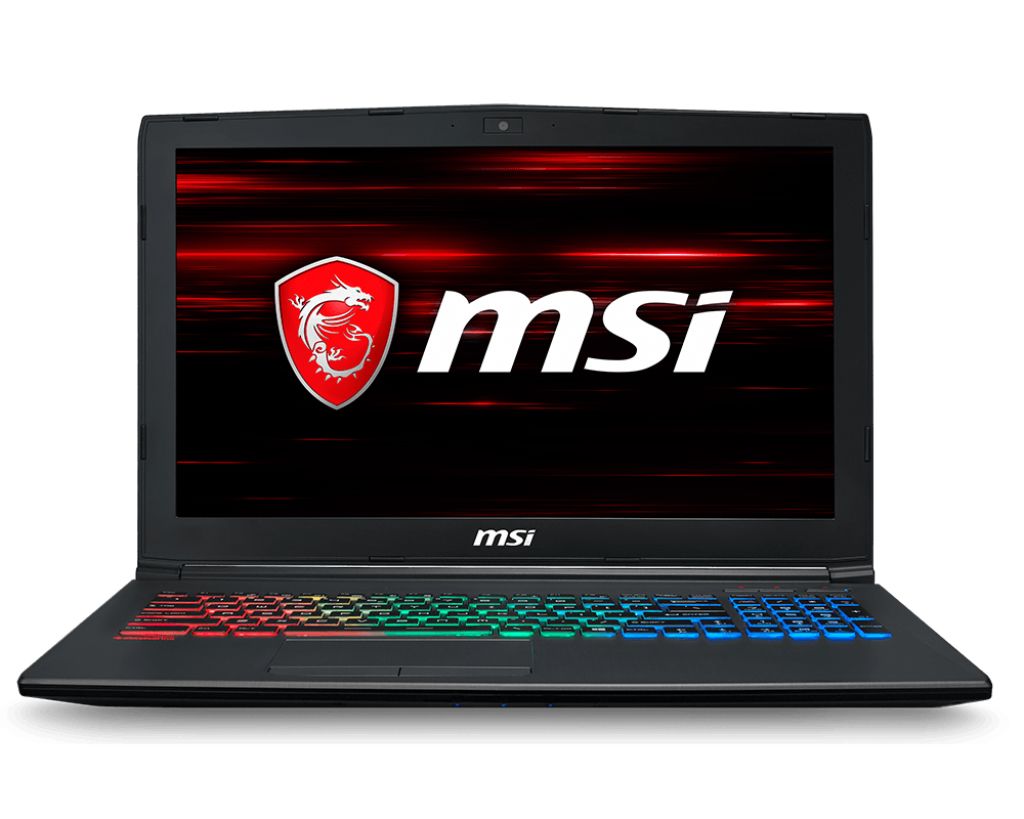
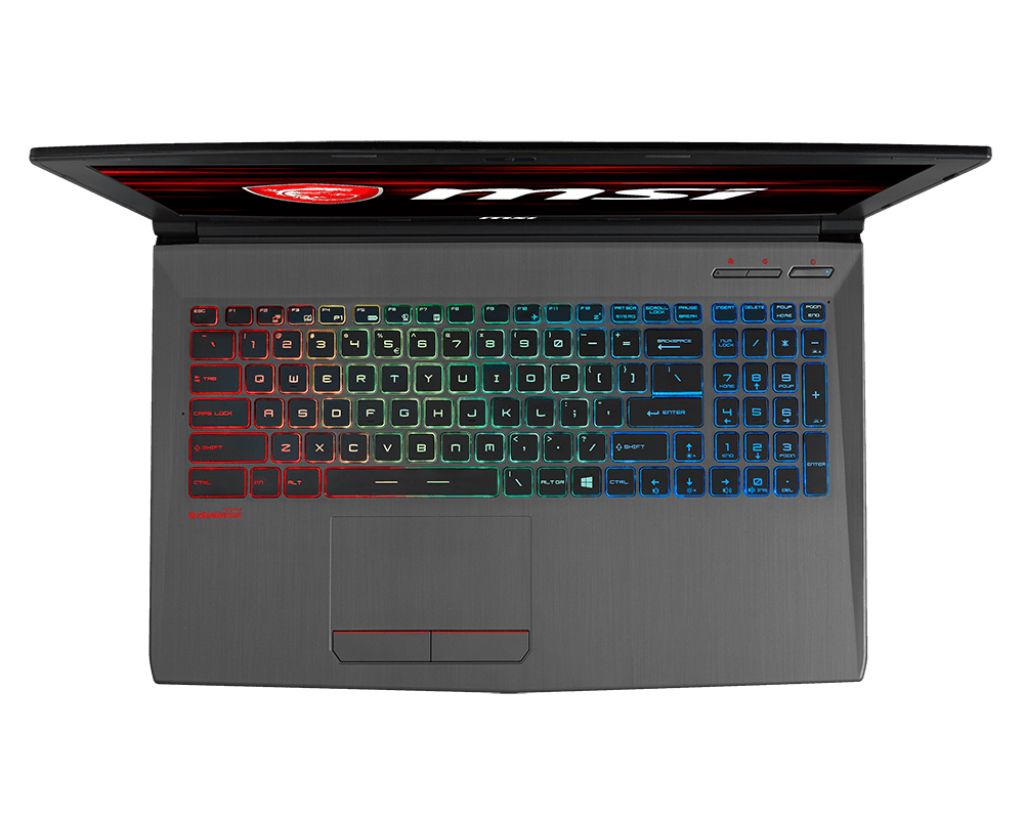
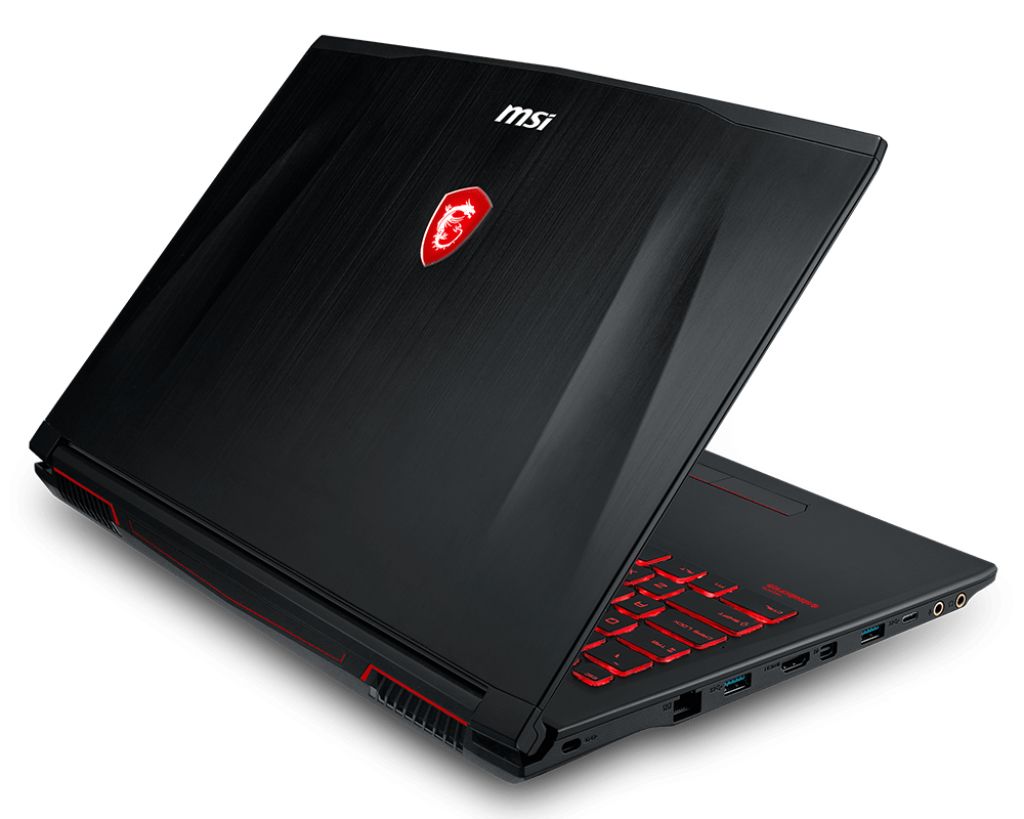
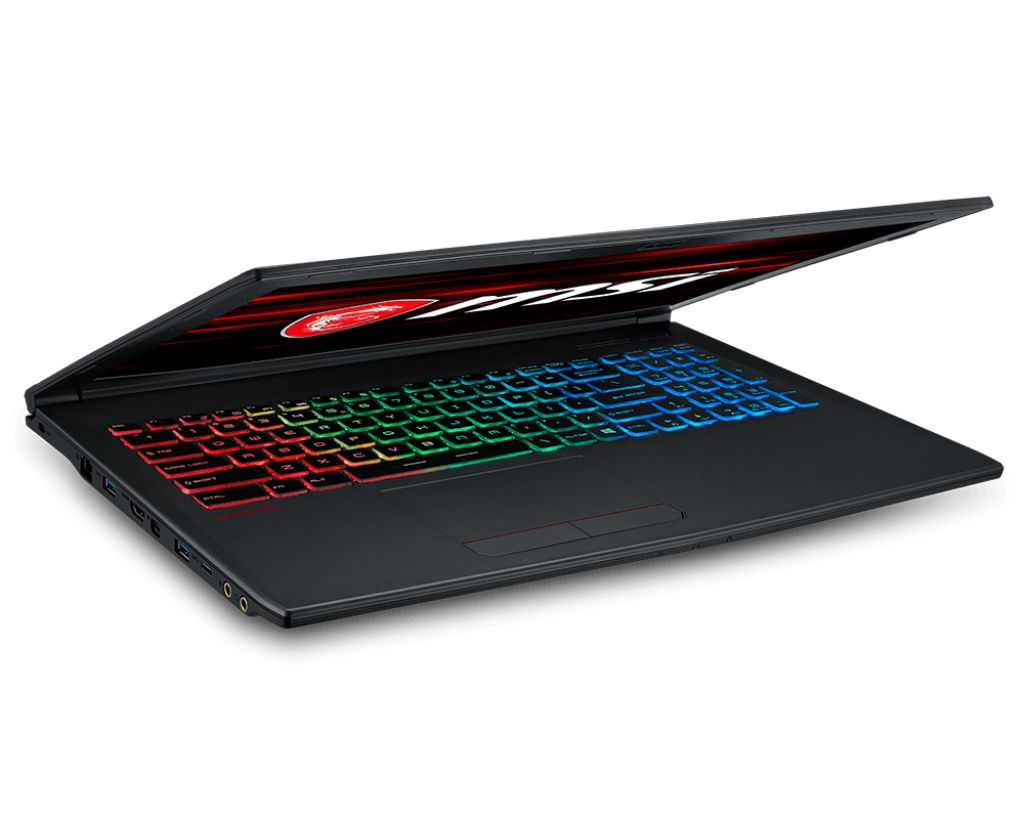
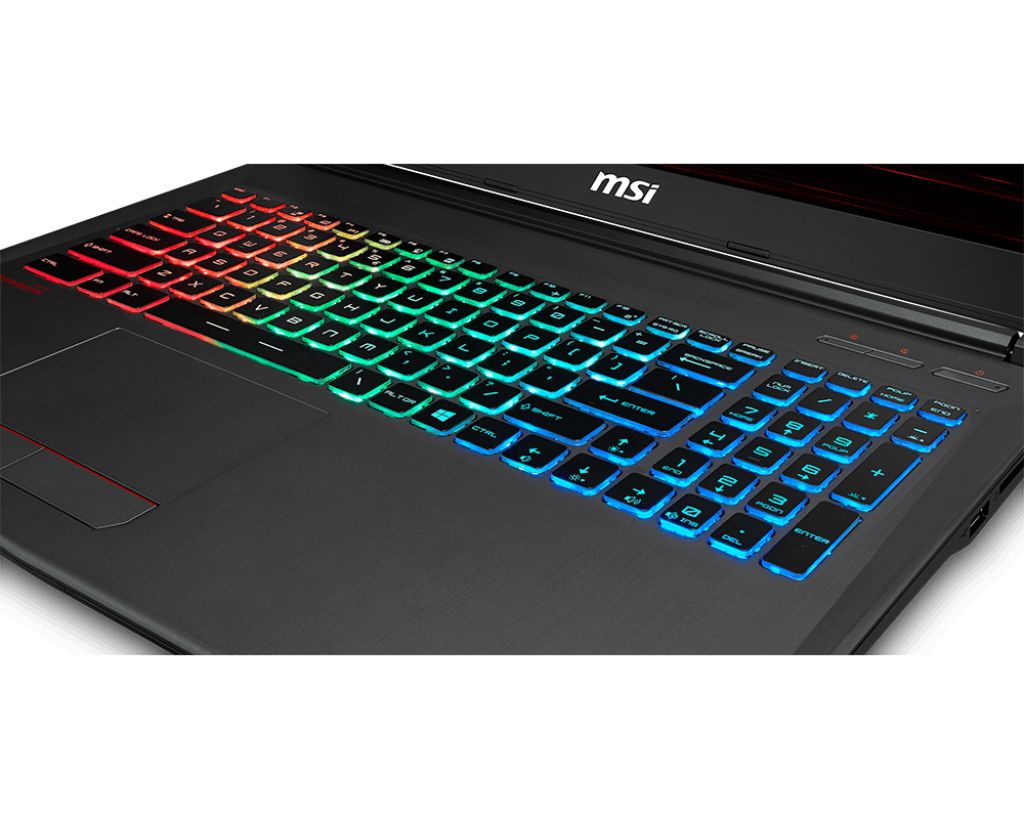
The MSI GF62 8RE-058 Gaming series laptop features two SO-DIMM slots for DDR4-SDRAM memory upgrades. Maximum supported capacity reaches 32 GB total memory. Compatible DDR4 modules operate at 2400 MHz frequency specifications. The SO-DIMM form factor determines memory upgrade compatibility for this Gaming GF series model. Users can expand memory capacity by installing additional or replacement DDR4-SDRAM modules in available slots to enhance system performance specifications.
Memory Upgrade Specifications
| Specification | Value |
|---|---|
| Memory slots | 2x SO-DIMM |
| Form factor | SO-DIMM |
| Memory type | DDR4-SDRAM |
| Frequency | 2400 MHz |
| Maximum RAM | 32 GB |
| Voltage | 1.2V |
| Number of pins | 260-pin |
| Interface | PC4 |
| PC Speed Rating | PC4-2400 (PC4-19200) |
| Bandwidth | 19.2 GB/s |
| Laptop Release date | 13 November 2018 |
Additional Notes
- The MSI GF62 8RE-058 Gaming laptop requires SO-DIMM modules exclusively, which eliminates standard DIMM compatibility and restricts sourcing options to notebook-specific memory vendors.
- DDR4-2400 represents the validated frequency ceiling, meaning higher-speed modules rated at 2666 MHz or 3200 MHz will downclock to 2400 MHz, potentially wasting cost premium on faster chips.
- The 32 GB maximum capacity limit stems from chipset addressing constraints, making 2x16 GB configurations the only viable path to maximum memory while preventing future expansion beyond this threshold.
- Dual-channel architecture requires matched pairs for optimal bandwidth utilization, as asymmetric configurations force single-channel operation and reduce memory throughput by approximately 50 percent in bandwidth-sensitive workloads.
- Both SO-DIMM slots must remain accessible without motherboard removal for user-serviceable upgrades, though accessing these slots typically requires complete bottom panel disassembly on this chassis generation.
- CAS latency specifications beyond CL17 may introduce stability issues despite matching frequency requirements, as tighter timings can exceed memory controller tolerances in mobile platforms.
- Non-ECC unbuffered modules are mandatory for this consumer platform, as ECC or registered memory types will fail POST initialization due to incompatible signaling protocols.
- Operating voltage must remain at standard 1.2V DDR4 specification, since low-voltage or overclocking-oriented modules rated at different voltages risk thermal management problems within confined laptop cooling envelopes.
- Single-rank versus dual-rank module topology affects interleaving behavior, where dual-rank configurations may provide marginal performance gains in memory-intensive applications despite identical capacity and frequency ratings.
- Warranty preservation requires avoiding force during installation, as SO-DIMM slot retention clips are prone to mechanical failure when modules are inserted at incorrect angles or excessive pressure is applied.