MSI Gaming GF63 10SC-058XIT Thin RAM upgrade specifications
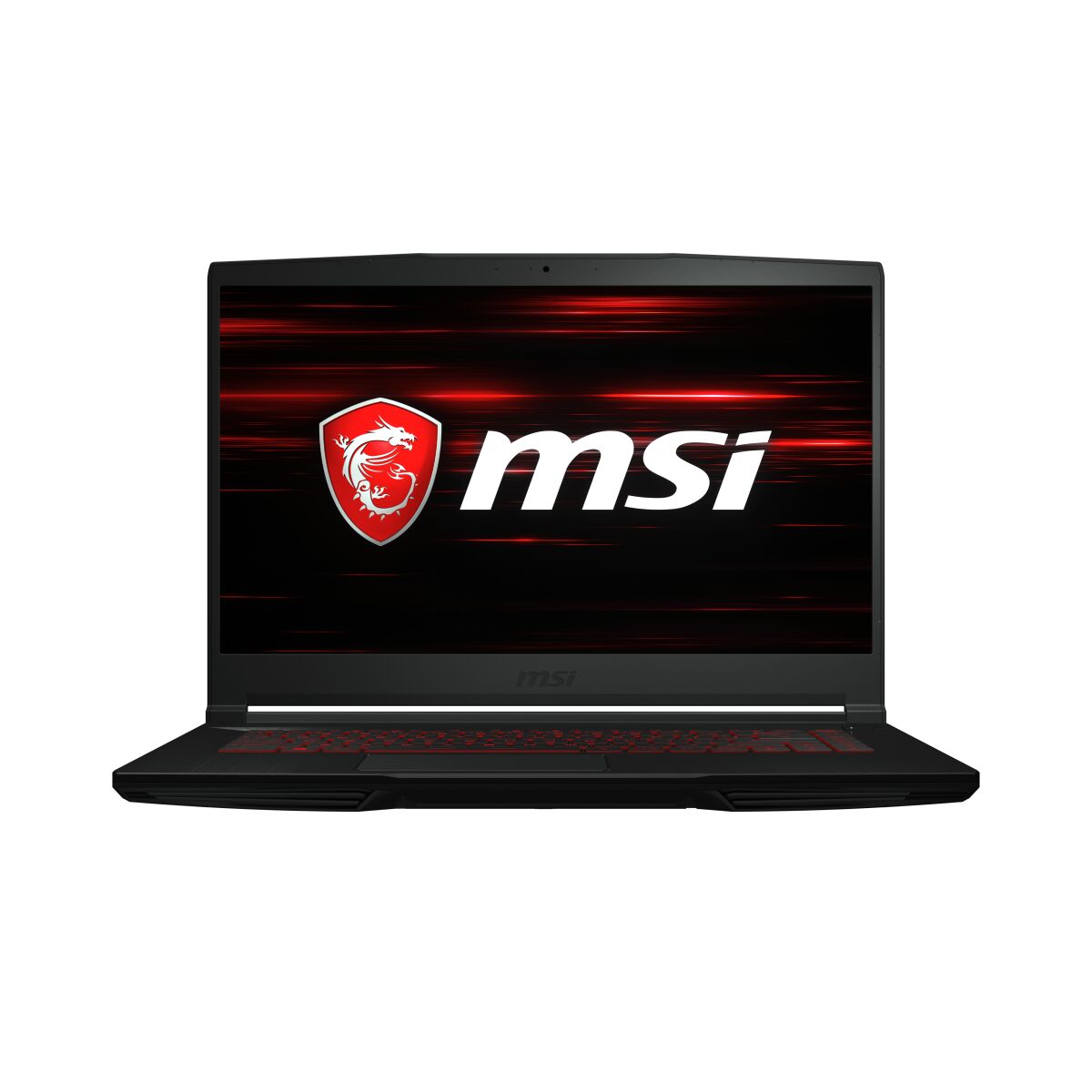
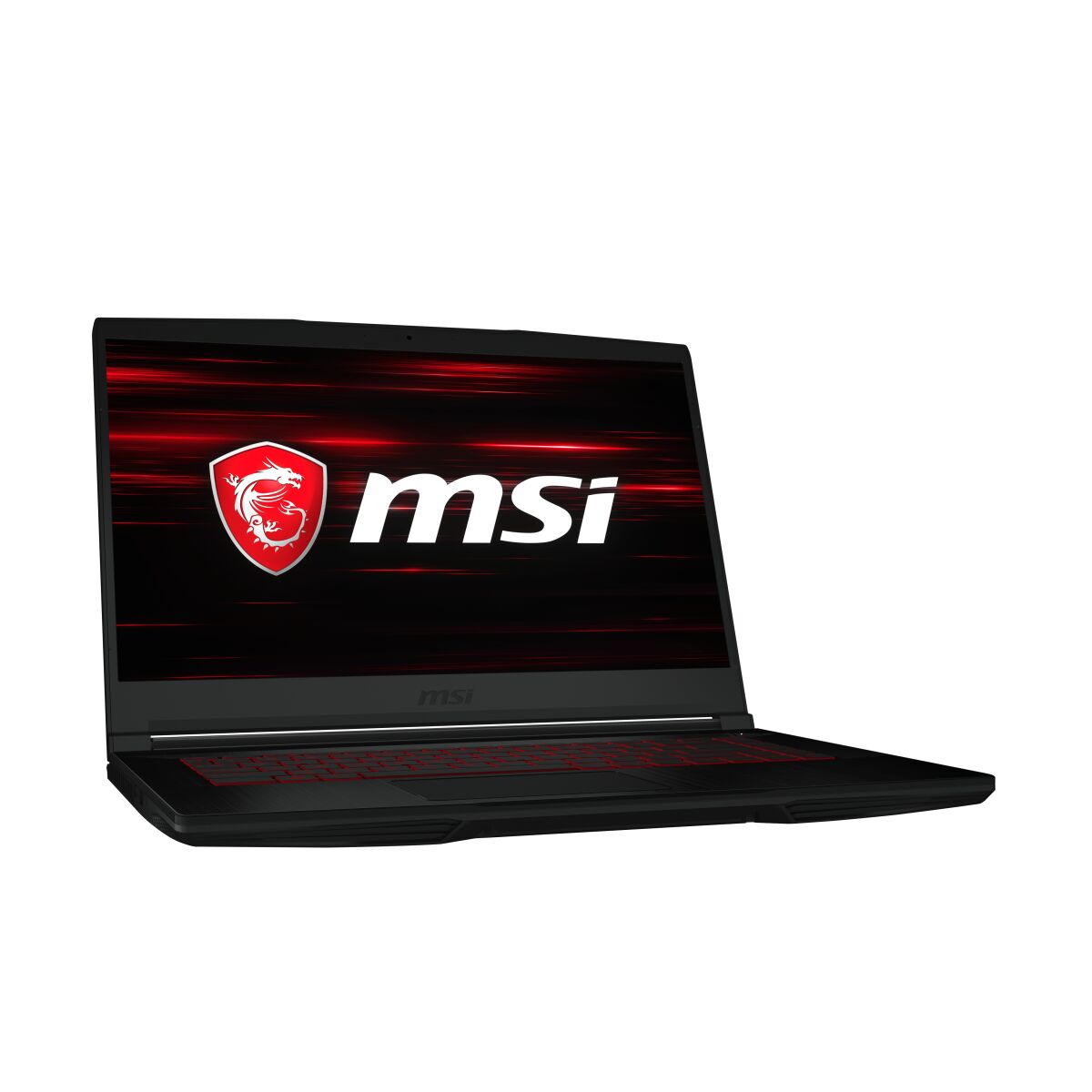
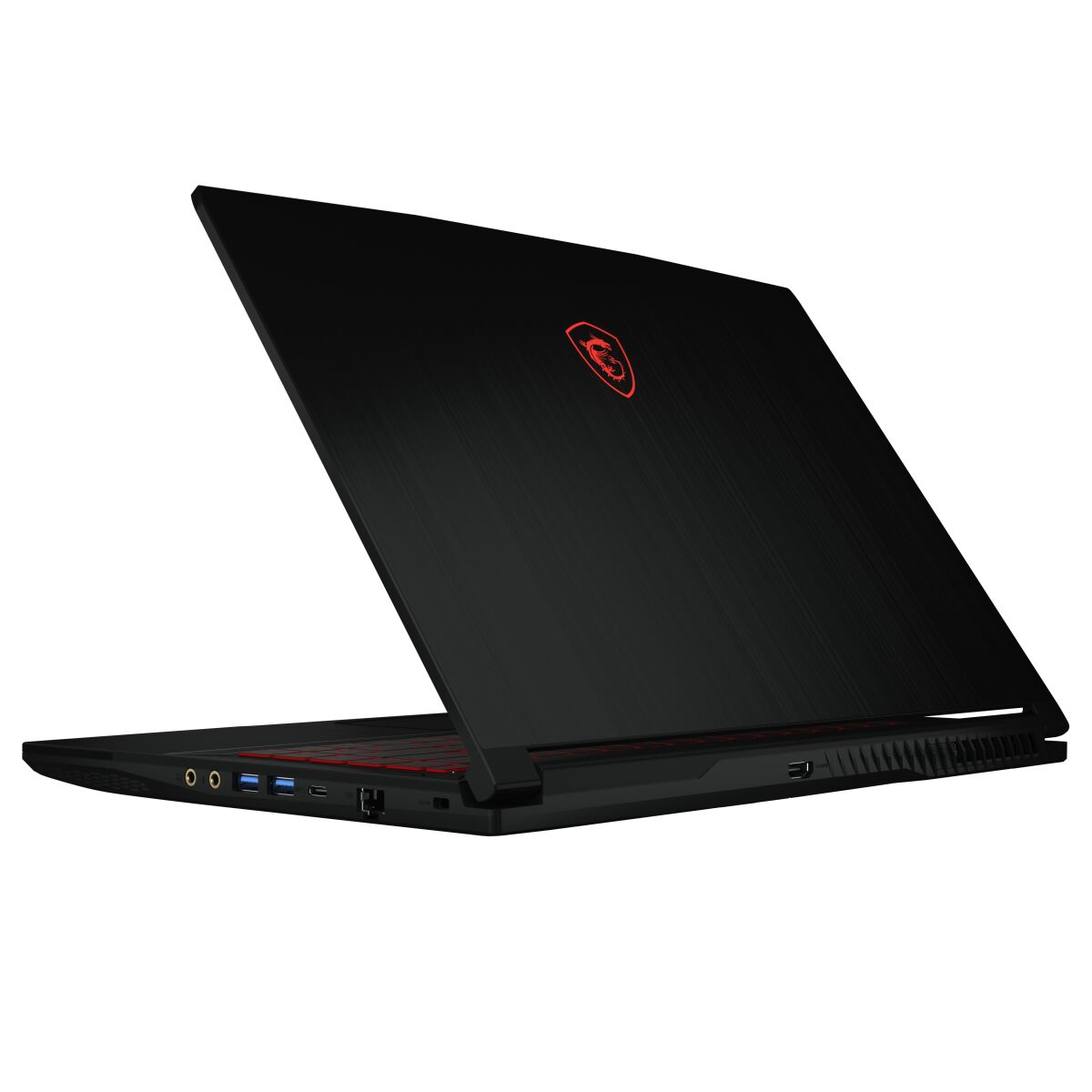
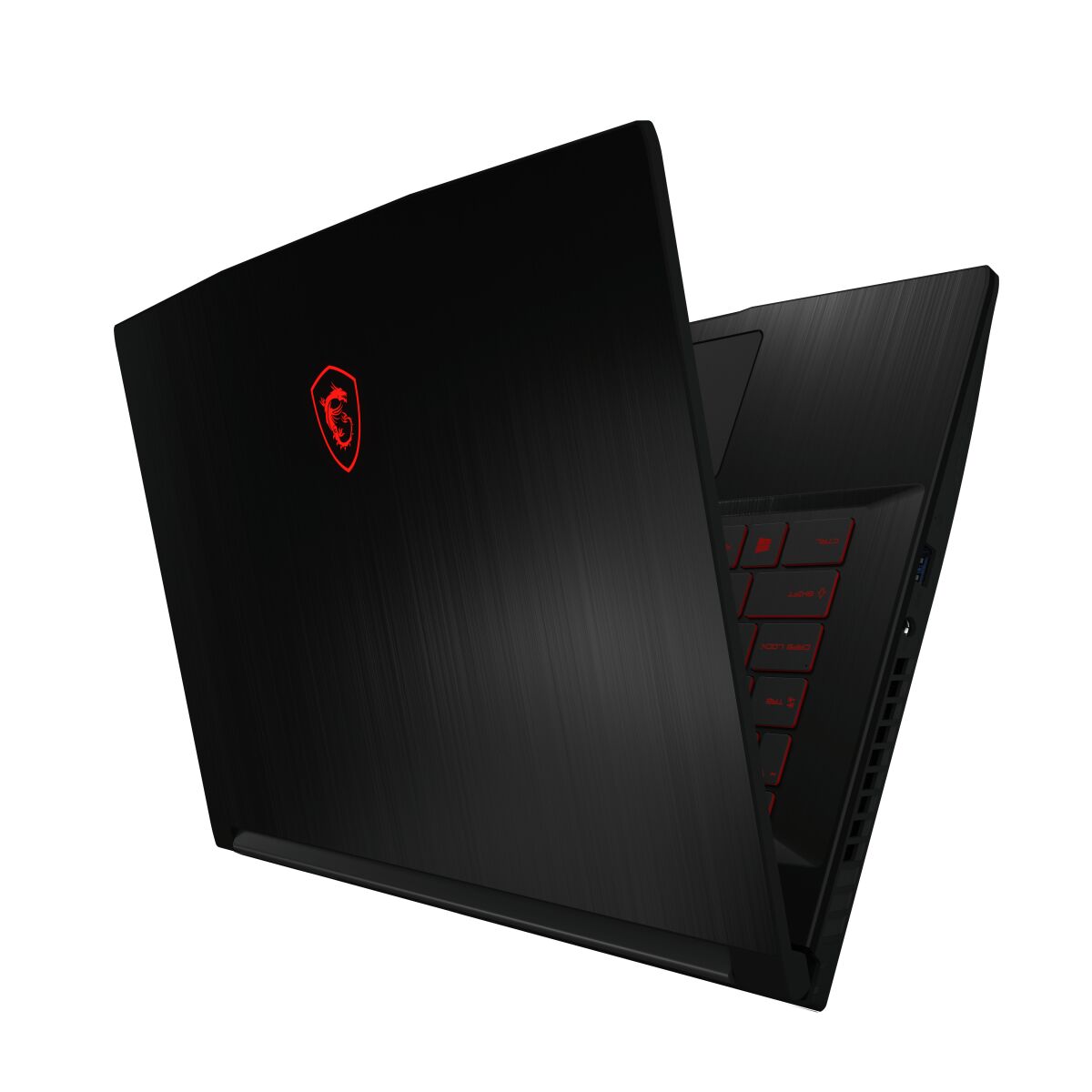
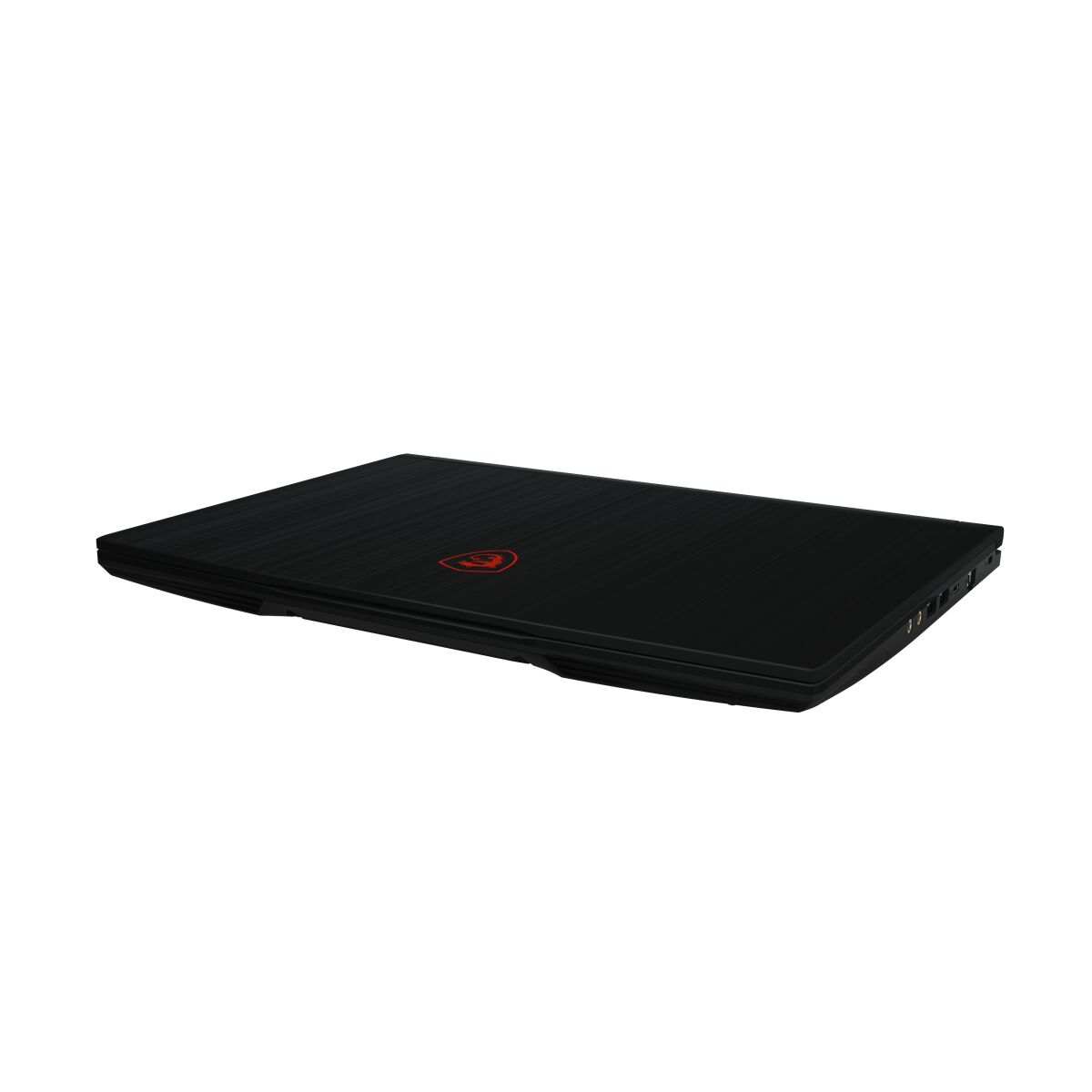
The MSI GF63 10SC-058XIT Thin Gaming series laptop features DDR4-SDRAM memory upgrade specifications with two SO-DIMM slots for RAM expansion. Maximum supported memory capacity reaches 64 GB, with compatible DDR4 modules operating at 3200 MHz frequency. SO-DIMM form factor modules are required for RAM upgrade compatibility on this Gaming GF series model. Specifications support dual-channel memory configuration for enhanced performance in the GF63 10SC-058XIT Thin platform.
Memory Upgrade Specifications
| Specification | Value |
|---|---|
| Memory slots | 2x SO-DIMM |
| Form factor | SO-DIMM |
| Memory type | DDR4-SDRAM |
| Frequency | 3200 MHz |
| Maximum RAM | 64 GB |
| Voltage | 1.2V |
| Number of pins | 260-pin |
| Interface | PC4 |
| PC Speed Rating | PC4-3200 (PC4-25600) |
| Bandwidth | 25.6 GB/s |
| Laptop Release date | 08 February 2021 |
Additional Notes
- The MSI GF63 10SC-058XIT Thin supports dual-channel memory architecture through its 2 SO-DIMM slots, enabling potential bandwidth doubling when matched modules are installed in both slots simultaneously.
- The 3200 MHz frequency specification indicates DDR4-3200 compatibility, which corresponds to PC4-25600 modules with a theoretical maximum bandwidth of 25.6 GB/s per channel.
- The 64 GB maximum capacity allows installation of 2 modules at 32 GB each, though this configuration requires higher-density DRAM chips that may carry different latency characteristics compared to lower-capacity modules.
- Mixing modules with different speeds will force all installed memory to operate at the frequency of the slowest module, potentially underutilizing faster RAM if mismatched.
- The SO-DIMM form factor excludes standard desktop DIMM modules, requiring specifically laptop-sized memory for physical compatibility with the motherboard slots.
- Systems populated with a single module will operate in single-channel mode, halving theoretical memory bandwidth and potentially creating performance bottlenecks in graphics-intensive applications that rely on integrated or shared video memory.
- DDR4 generation compatibility excludes both older DDR3 and newer DDR5 modules due to different pin configurations and voltage requirements, with DDR4 operating at 1.2V standard.
- Upgrading beyond factory-installed capacity may require BIOS recognition of higher-density modules, though the stated 64 GB maximum suggests firmware support for 32 GB SO-DIMMs.
- Access to memory slots typically requires bottom panel removal, and some manufacturers void warranties if non-certified technicians perform upgrades, warranting verification of user-serviceable component policies before proceeding.
- CAS latency timings are not enforced by the specification, meaning modules with identical frequency but different CL ratings (CL16, CL18, CL22) will exhibit measurable performance variance in latency-sensitive workloads.