MSI Gaming GF63 10SCXR-294CN Thin RAM upgrade specifications



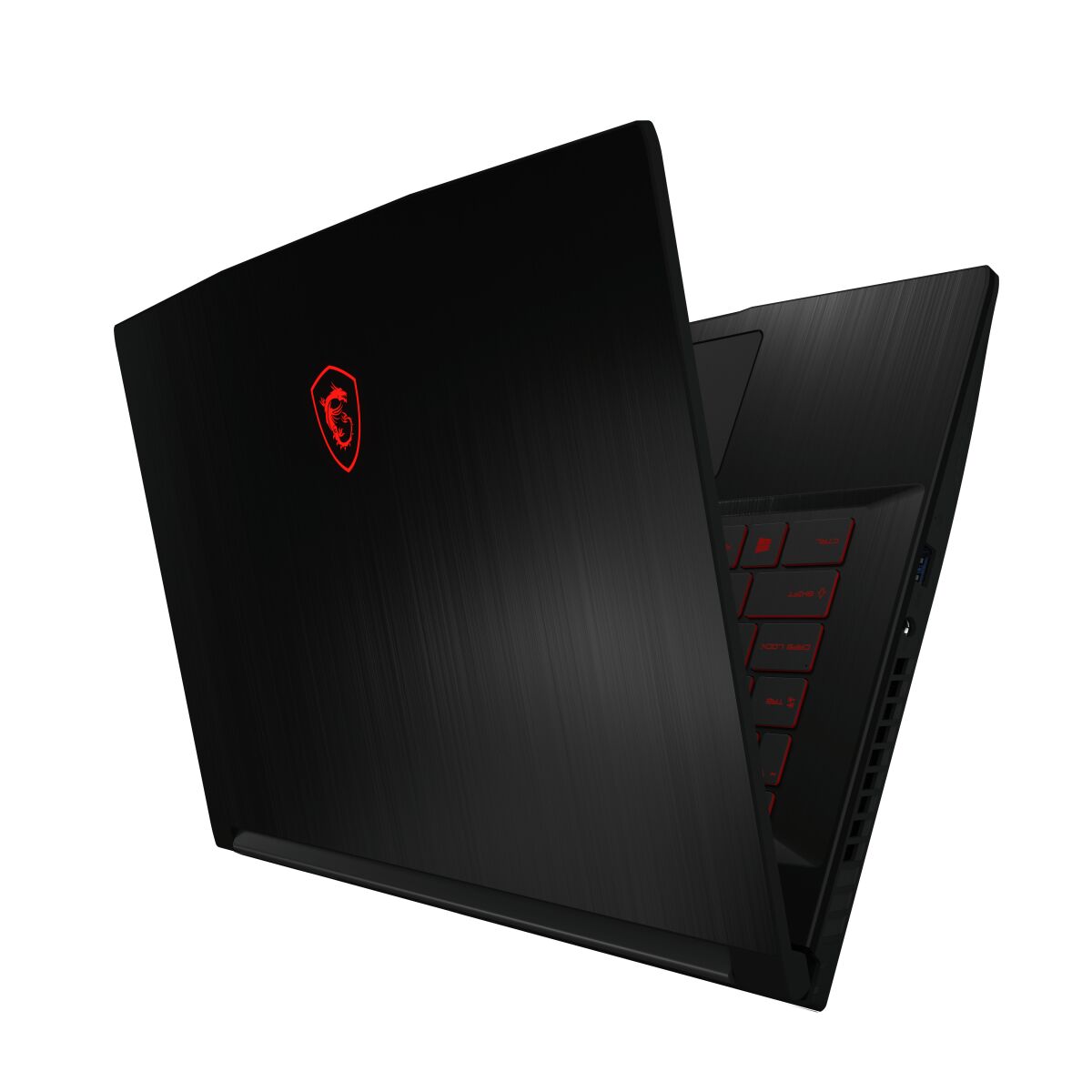
The MSI GF63 10SCXR-294CN Thin gaming laptop features DDR4-SDRAM memory specifications supporting upgrade capabilities. The device contains 2x SO-DIMM memory slots compatible with DDR4 modules operating at 2666 MHz frequency. Maximum memory capacity reaches 64 GB total when both slots are populated with compatible RAM modules. SO-DIMM form factor modules are required for upgrade compatibility with this MSI Gaming GF series model.
Memory Upgrade Specifications
| Specification | Value |
|---|---|
| Memory slots | 2x SO-DIMM |
| Form factor | SO-DIMM |
| Memory type | DDR4-SDRAM |
| Frequency | 2666 MHz |
| Maximum RAM | 64 GB |
| Voltage | 1.2V |
| Number of pins | 260-pin |
| Interface | PC4 |
| PC Speed Rating | PC4-2666 (PC4-21328) |
| Bandwidth | 21.3 GB/s |
| Laptop Release date | 15 June 2020 |
Additional Notes
- The DDR4-2666 specification indicates this is a 10th generation Intel platform, as this frequency aligns with the JEDEC standard supported by Comet Lake processors, which typically ship with this native memory speed.
- The 64 GB maximum capacity requires two 32 GB SO-DIMM modules, which limits selection to higher-density modules that may carry price premiums compared to more common 8 GB or 16 GB configurations.
- Installing mismatched module capacities across the two slots will disable dual-channel mode, effectively halving memory bandwidth from 42.7 GB/s to 21.3 GB/s, which impacts integrated graphics performance and frame pacing in GPU-limited scenarios.
- The SO-DIMM form factor necessitates bottom panel removal for access, and typical MSI GF63 Thin chassis designs require complete disassembly of the lower enclosure rather than a dedicated maintenance hatch, which may void warranty seals depending on regional service policies.
- Higher-frequency modules rated at 3200 MHz will automatically downclock to 2666 MHz due to chipset and processor memory controller limitations, offering no performance advantage despite increased cost.
- Single-rank versus dual-rank module architecture at identical capacities can yield 5-15% performance differences in memory-intensive workloads, though SO-DIMM availability in dual-rank configurations above 16 GB per module remains limited in the consumer market.
- The 2666 MHz operating frequency introduces a 375 picosecond clock cycle, establishing a baseline latency floor that cannot be compensated by tighter CAS timings without exceeding voltage or thermal specifications for the mobile platform.
- Populating both slots to maximum capacity eliminates future expansion headroom, requiring complete module replacement rather than supplementary additions if greater capacity becomes necessary.
- Non-ECC unbuffered modules represent the only compatible architecture for this consumer platform, as registered or error-correcting memory types will fail POST initialization despite physical socket compatibility.