MSI Gaming GF63 10SCXR-266CN Thin RAM upgrade specifications



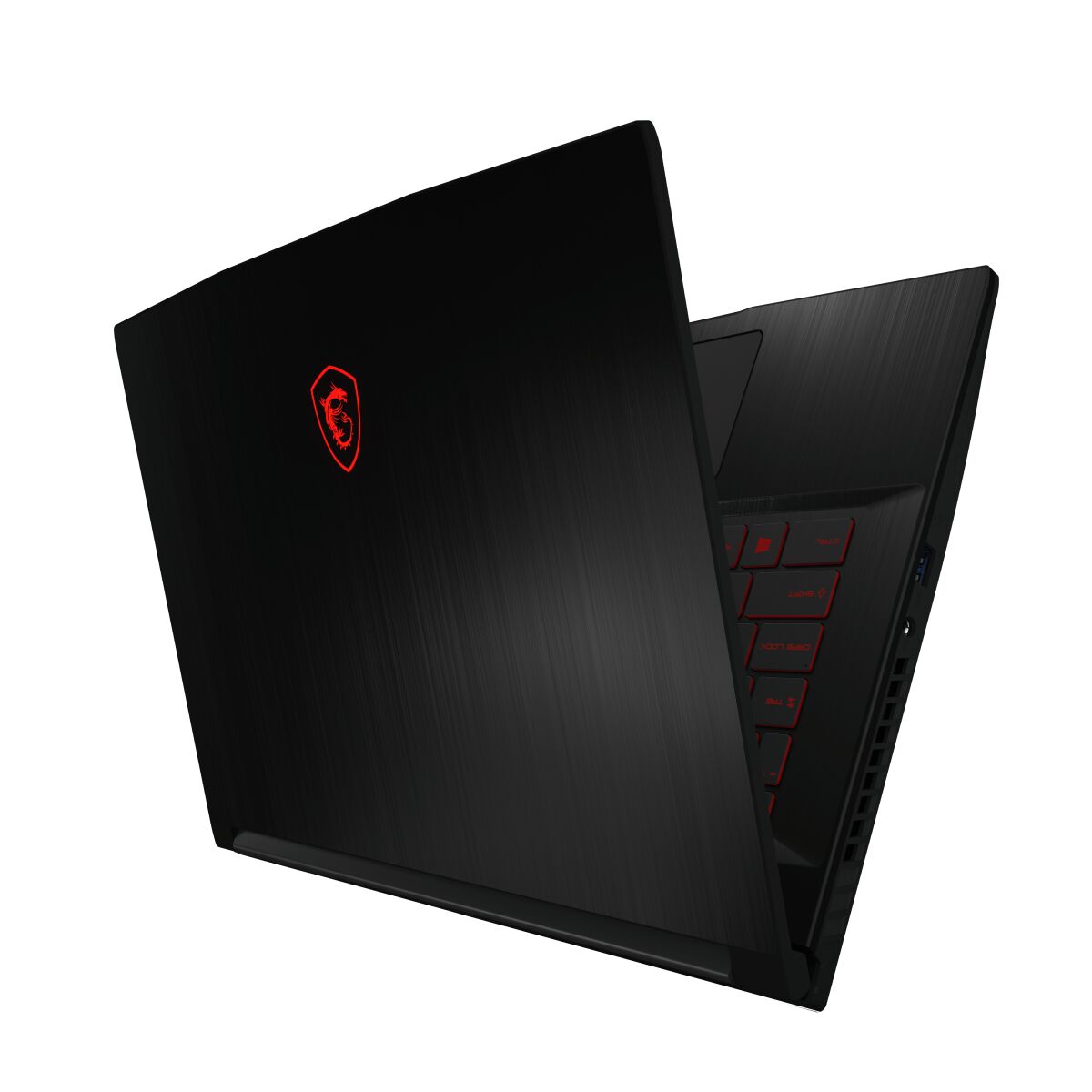
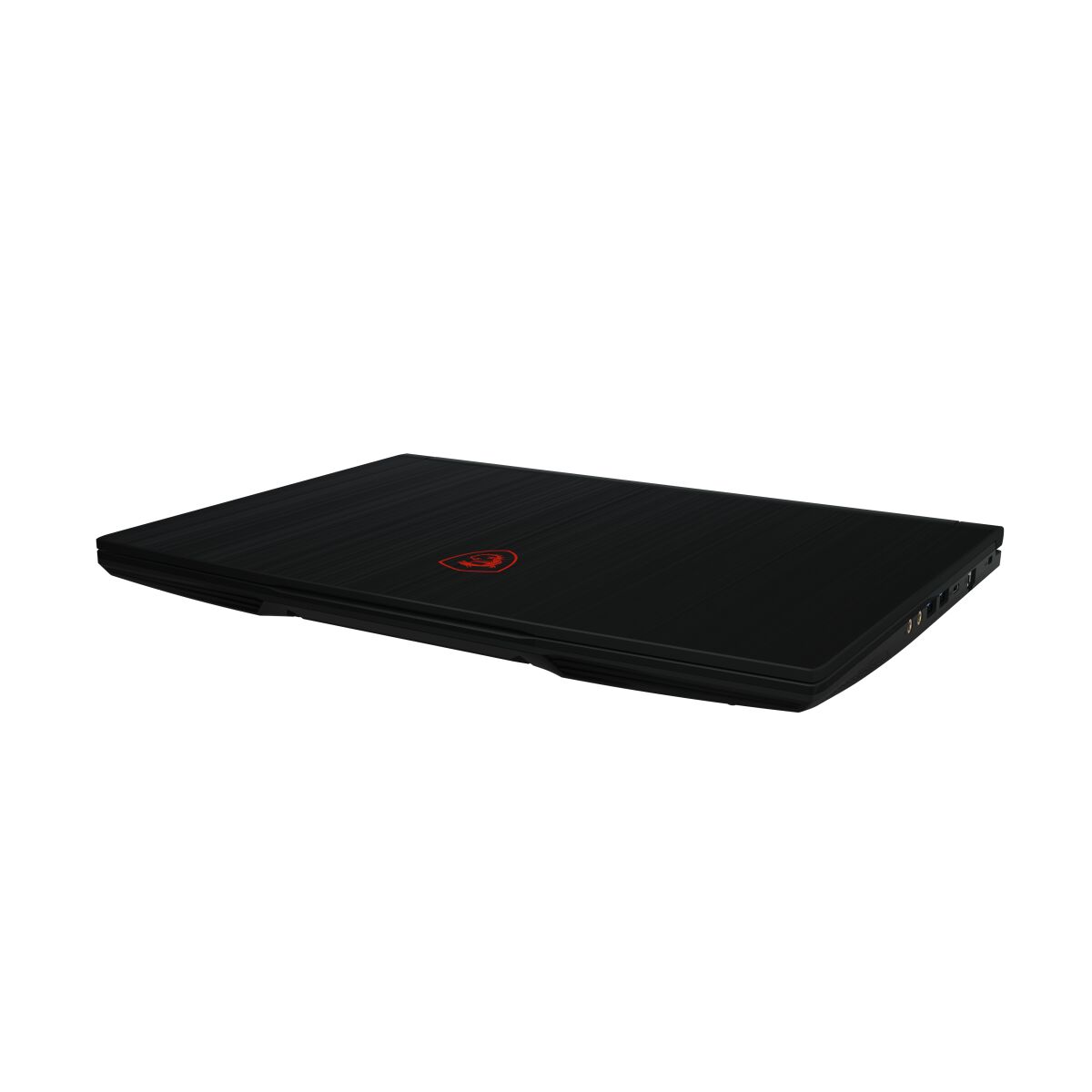
MSI GF63 10SCXR-266CN Thin laptop memory upgrade specifications include DDR4-SDRAM compatibility with 2x SO-DIMM slots supporting maximum capacity of 64 GB total RAM. Upgrade slots accept SO-DIMM form factor modules operating at 2666 MHz frequency. Compatible memory upgrades for the MSI Gaming GF series maintain specifications aligned with DDR4 standard, allowing modular expansion to full 64 GB maximum capacity through available slot configuration.
Memory Upgrade Specifications
| Specification | Value |
|---|---|
| Memory slots | 2x SO-DIMM |
| Form factor | SO-DIMM |
| Memory type | DDR4-SDRAM |
| Frequency | 2666 MHz |
| Maximum RAM | 64 GB |
| Voltage | 1.2V |
| Number of pins | 260-pin |
| Interface | PC4 |
| PC Speed Rating | PC4-2666 (PC4-21328) |
| Bandwidth | 21.3 GB/s |
| Laptop Release date | 15 June 2020 |
Additional Notes
- The MSI GF63 10SCXR-266CN Thin supports DDR4 modules rated at speeds higher than 2666 MHz, but the memory controller will downclock them to match the native frequency, making premium high-speed kits functionally equivalent to standard 2666 MHz modules.
- Dual-channel configuration requires matched pairs of identical capacity modules installed in both SO-DIMM slots, as asymmetric configurations will force the system into single-channel mode and reduce memory bandwidth by approximately 50 percent.
- The 64 GB maximum capacity allows for 2x32 GB module configurations, though modules of this density may require validation against the motherboard's qualified vendor list to ensure POST compatibility.
- Non-ECC unbuffered SO-DIMM modules are mandatory, as server-grade registered or ECC memory will fail to initialize during boot despite matching the physical form factor.
- Access to both memory slots typically requires complete bottom panel removal rather than a dedicated service door, necessitating discharge of residual power and battery disconnection to avoid component damage during installation.
- Mixing modules with different voltage specifications, such as pairing standard 1.2V DDR4 with low-voltage 1.35V variants, may cause thermal inconsistencies or force the memory controller to operate at the higher voltage across both slots.
- The Intel 10th generation platform's memory controller enforces JEDEC timing standards at 2666 MHz, meaning XMP profiles will remain inactive unless manually configured through BIOS, which may not be exposed in OEM firmware builds.
- Operating temperatures under sustained workloads can exceed 85 degrees Celsius in the confined chassis, making modules with integrated heat spreaders potentially counterproductive due to increased height clearance requirements beneath the keyboard assembly.